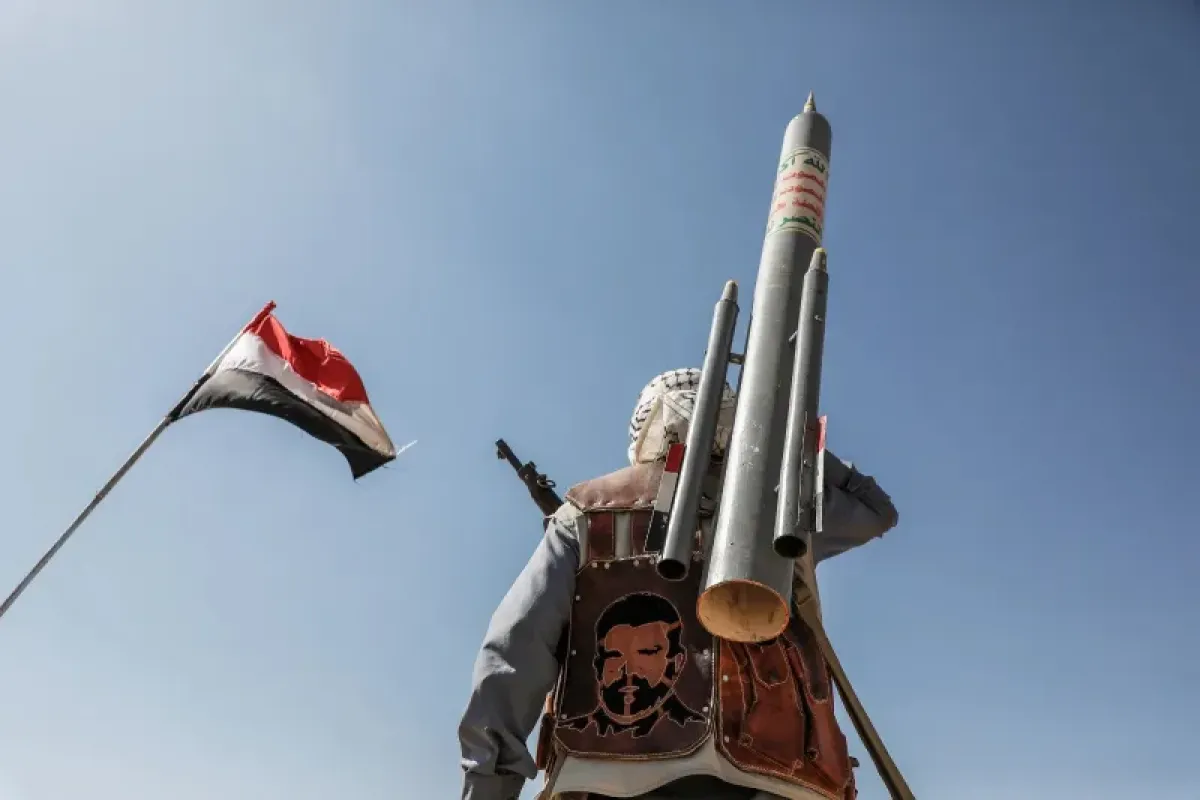
An analysis published by the US newspaper Los Angeles Times warns that the Houthi group in Yemen possesses the capability to significantly alter the trajectory of any escalating military confrontation between Iran and the United States and Israel. This leverage stems from their demonstrated capacity to disrupt international shipping through the Bab el-Mandeb strait, a critical global maritime artery.
The analysis, authored by academic researcher April Longley Alley, suggests that while the Houthis have exercised considerable restraint despite ongoing military escalations between Iran, Israel, and the United States, this should not be interpreted as passivity. Instead, it is viewed as a temporary strategic calculation that could rapidly change should the conflict broaden.
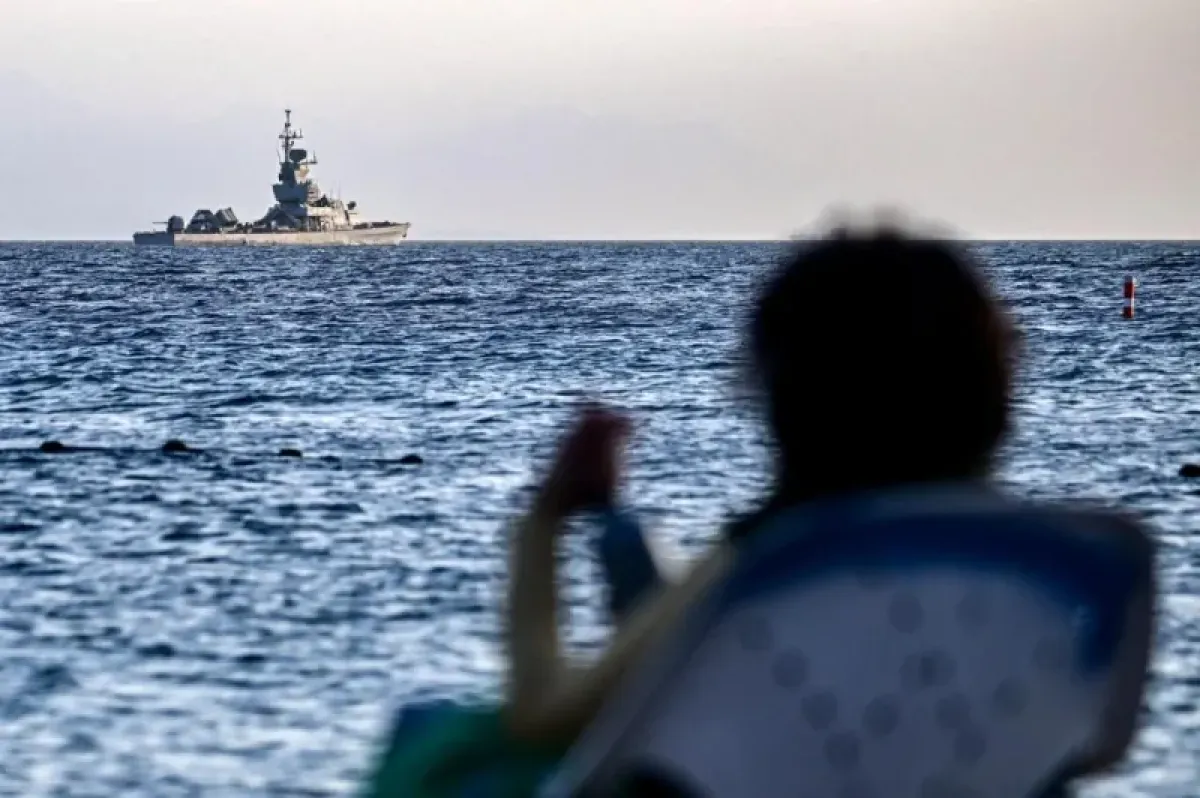
The report notes that the Yemeni group has thus far limited its actions to a small number of missile launches directed at Israel, reserving its more impactful tool: the ability to impede commercial traffic through the Bab el-Mandeb strait, a route vital for a substantial portion of global trade and oil shipments.
The author asserts that a renewed and expansive confrontation between Iran on one side, and the United States and Israel on the other, could compel the Houthis to intervene directly in support of Tehran. Such an escalation would significantly amplify the economic repercussions of the conflict and increase pressure on the US administration to pursue a political settlement.
The recent Houthi threat to target ships linked to Israel in the Red Sea is presented as a crucial indicator of the group's potential to move towards a more aggressive phase. This is particularly relevant given their close monitoring of any understandings Iran may reach regarding the Strait of Hormuz, and their apparent intention to replicate such leverage at Bab el-Mandeb in the future.
The analysis highlights that the Houthis' continued caution raises numerous questions, especially considering their current prominence as Iran's most significant regional ally following substantial setbacks for Hezbollah and Hamas. Furthermore, the Houthis have a long history of coordination with Tehran within the "axis of resistance" framework against the US and Israel.
The newspaper recalls that the group conducted over 250 attacks against Red Sea vessels during the Gaza conflict, ostensibly in support of Palestinians. These operations demonstrated the Houthis' capacity to disrupt international trade and increase global shipping costs.
According to the analysis, four key factors have thus far deterred the Houthis from direct engagement in the current conflict. The first is their desire to avoid triggering a new, intense US military campaign, following the significant offensive targeting their positions last year that damaged their military capabilities.
The second, and arguably most critical, factor relates to internal Yemeni calculations. The Houthis remain focused on securing a final agreement with Saudi Arabia to end the Yemeni war on terms that yield political and economic gains, making them cautious of any actions that could jeopardize settlement prospects.
The third factor involves public opinion considerations, as the group likely finds it easier to mobilize popular support under the banner of defending the Palestinian cause than for the defense of Iran or Hezbollah. The fourth factor is the belief that Iran has not yet reached a stage where its survival is existentially threatened, thus obviating the need for the Houthis to deploy their most potent leverage at Bab el-Mandeb.
The analysis points out that the Houthi military spokesperson, Yahya Saree, has previously outlined conditions that could precipitate Houthi escalation, including the involvement of new regional actors, US and Israeli operations in the Red Sea, or further escalation against Iran and its allies.
The report also notes that Houthi leader Abdul-Malik al-Houthi recently declared his group's readiness for escalation and full coordination with its regional allies, a statement followed by direct threats against Israeli-linked vessels.
The author cautions that any widespread resumption of Houthi attacks on Red Sea shipping would have severe economic consequences, given the strategic importance of the Bab el-Mandeb strait for global trade and maritime oil transport. The ramifications of closing the strait would extend beyond major powers to directly impact regional nations, notably Egypt, which relies on Suez Canal revenues, and Saudi Arabia, which uses Red Sea ports and its East-West pipeline for daily oil exports.
These risks, the newspaper suggests, underscore the continuous diplomatic efforts by Gulf states, particularly Saudi Arabia and Qatar, to de-escalate tensions and promote political settlements that prevent the region from descending into a broader war, which would inevitably increase economic burdens and deepen instability.
The analysis concludes that any future agreement with Iran must uphold the principle of freedom of international navigation and refrain from offering political or financial rewards in exchange for threats to close maritime passages. The author warns that granting such concessions would send a clear message to militant groups like the Houthis that leveraging global trade disruption can indeed yield political and economic benefits.