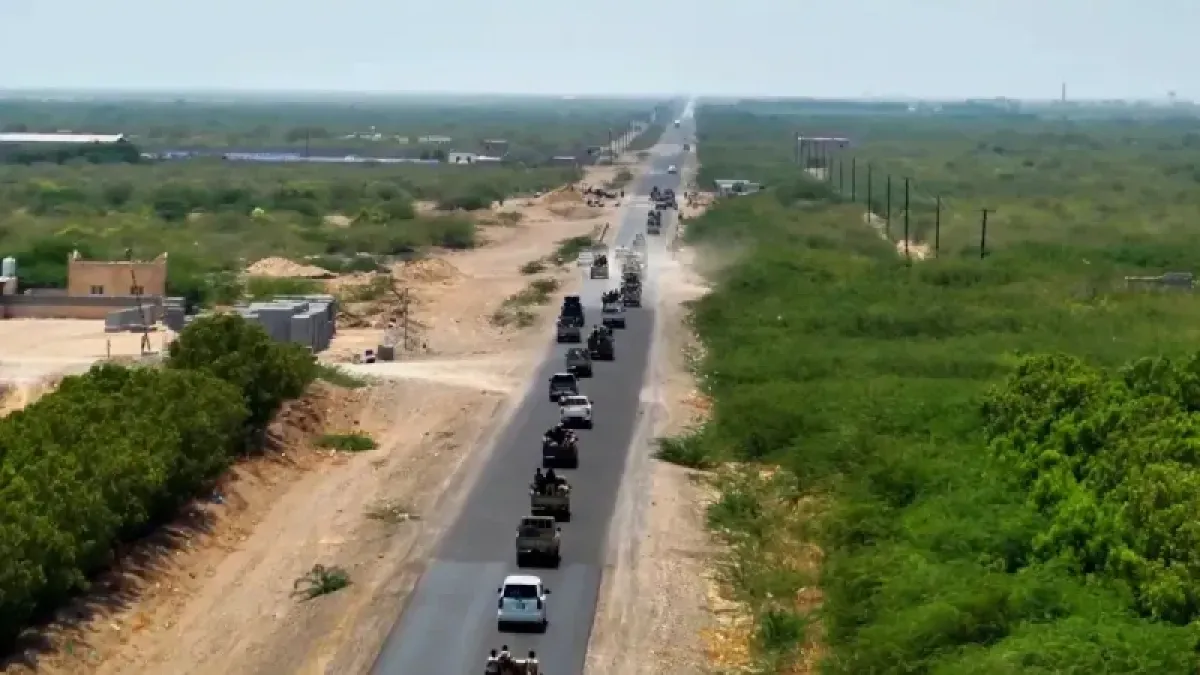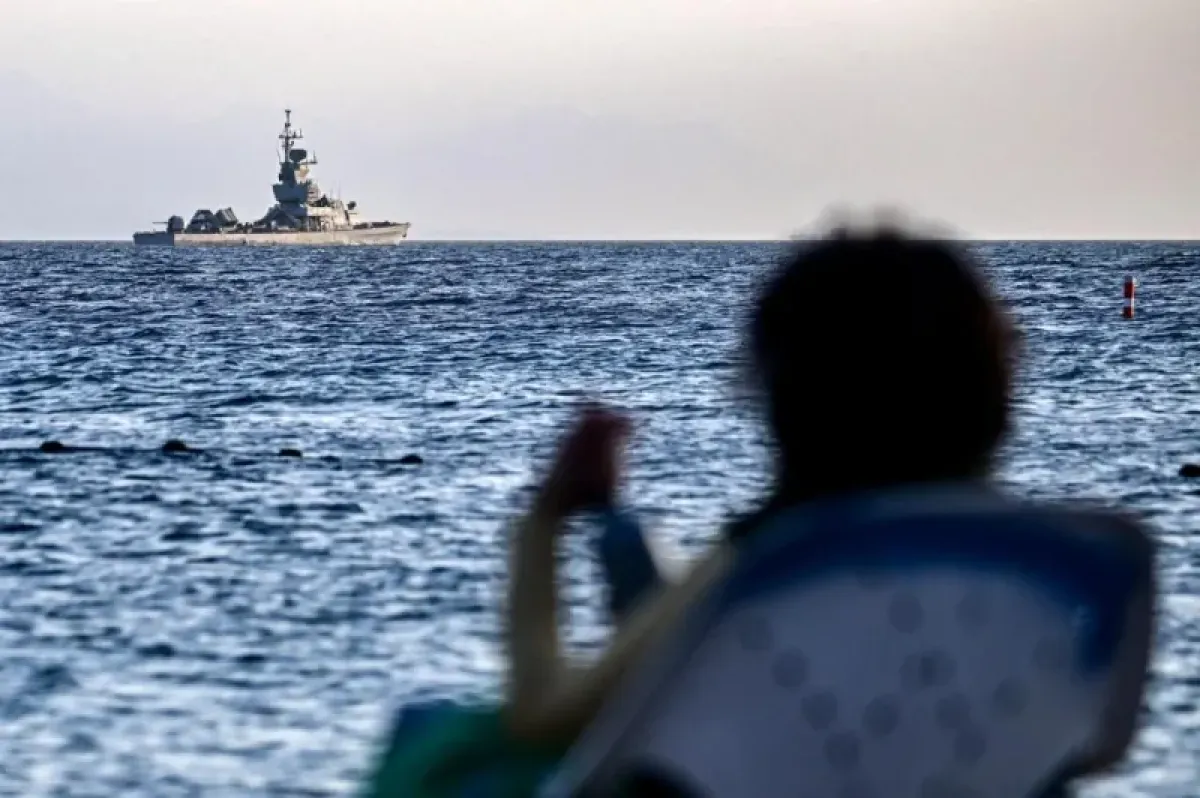
The Houthi's recent escalation in the Red Sea, alongside ongoing regional conflicts, is significantly complicating the geopolitical landscape and poses a substantial threat to one of the world's most critical maritime routes, with potential global economic ramifications.
The Houthi's declaration of military action and imposition of navigation restrictions linked to Israel in the Red Sea, coupled with threats of targeting vessels and launching attacks towards Israel, are intrinsically tied to the broader conflict between Iran and Israel. Observers view this move as an indirect expansion of the confrontation zone, utilizing Yemen and the Bab al-Mandab Strait as a strategic gateway.
This escalation occurs at a sensitive juncture, with the Strait of Hormuz already experiencing recurrent disruptions. This dual pressure on two of the most vital maritime passages for global energy trade raises concerns about an unprecedented scenario involving near-simultaneous disruptions to shipping lanes between the Persian Gulf and the Red Sea.
International analyses, including reports from The New York Times, warn that any expansion of Houthi activity in the Red Sea could severely restrict vital supply routes connecting Asia, Europe, and the Americas. Such a development could directly impact energy prices, insurance costs, and global supply chains, which are already exhibiting notable fragility.
The Bab al-Mandab Strait holds immense strategic importance, facilitating a significant portion of global oil and commodity trade. Disruptions here would compel vessels to reroute around the Cape of Good Hope, adding weeks to voyages and incurring substantial operational costs, potentially amounting to millions of dollars per trip.
Farea Al-Muslimi, a researcher specializing in Yemeni affairs, highlights that the danger lies not only in the scale of operations but also in the "threat signals" that can immediately influence shipping and insurance markets. He notes that a single attack in such a high-sensitivity area could trigger a comprehensive reassessment of Red Sea navigation risks, leading to a significant increase in insurance premiums.
Analysts suggest that the Houthis do not need to fully blockade the waterway to cause widespread economic impact. Merely raising the level of threats in the region can compel shipping companies to avoid passage or impose surcharges, leading to a gradual disruption of global trade flows.
Conversely, analysts in Sana'a indicate that extensive international military intervention in the Red Sea to counter the Houthis could transform the region into an open theater of conflict, escalating tensions and exacerbating the security situation, particularly given the overlapping regional and international interests in this vital corridor.
Bloomberg asserts that the Houthi action, even short of a comprehensive navigation ban, signals a dangerous potential for the spread of tension in the Red Sea. This is further amplified by the existing tensions in the Strait of Hormuz, which are escalating due to the indirect conflict between Iran and Israel, supported by the United States.
Naval security reports indicate that shipping companies are implementing stringent precautionary measures when transiting the area, including enhanced scrutiny and daily risk assessments. These measures are being taken amidst warnings of potential "mistaken" targeting of vessels due to the broadened definition of military targets within the ongoing conflict.
Since 2023, the Red Sea has already experienced considerable maritime traffic disruptions following the escalation of the Gaza conflict. Commercial vessels and oil tankers have been targeted, leading to a significant decline in traffic through the Suez Canal and prompting many global shipping companies to restructure their trade routes.
Economic reports caution that a return to similar levels of disruption could result in a sharp increase in shipping and energy prices, alongside a substantial rise in maritime insurance costs. This would directly translate to higher prices for global commodities, particularly affecting European and Asian markets.
Newsweek suggests that opening a new front in the Red Sea, parallel to the existing tensions in the Strait of Hormuz, could create a "double chokehold" on the world's two most critical energy transport arteries, threatening further contraction in international trade and unprecedented increases in maritime transport costs.
Amidst this complex situation, international warnings converge on a single point: continued escalation in the Red Sea risks not only expanding the scope of the regional conflict but also potentially triggering a new global economic crisis characterized by supply chain disruptions and soaring energy and food prices.
Navigating the intricacies of regional conflict and international trade routes, the Red Sea now appears to be on the verge of an open flashpoint. Any limited escalation could rapidly devolve into a widespread global crisis, the extent and cost of which remain incalculable at present.