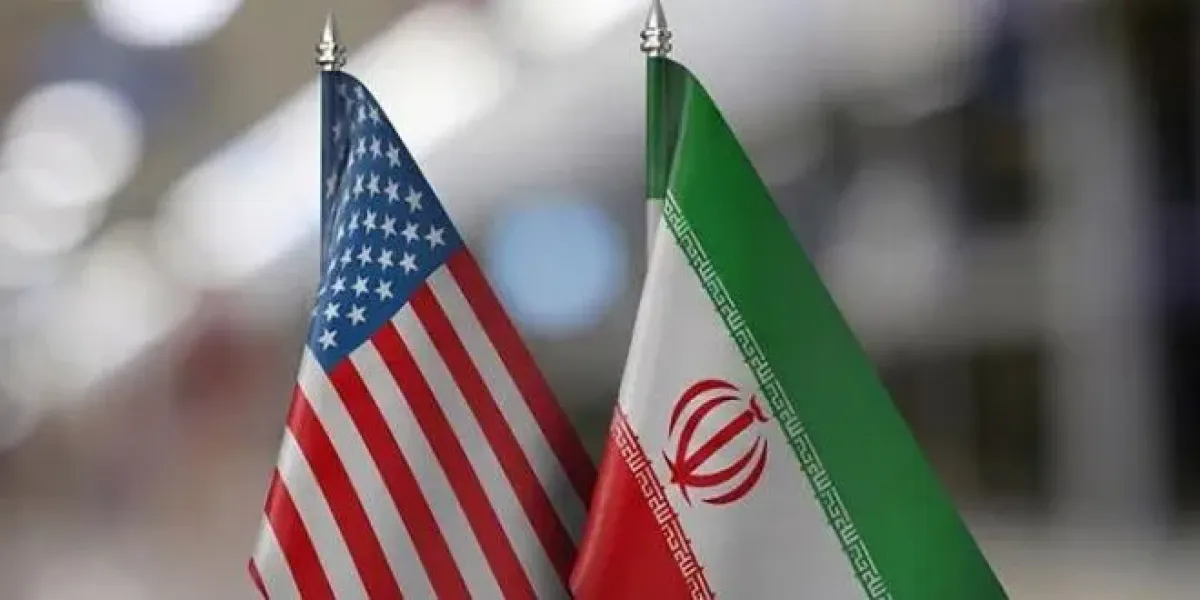
Reports indicate that the United States and Iran are close to finalizing a new understanding aimed at de-escalating tensions and potentially paving the way for political and nuclear negotiations, despite ongoing disagreements over sensitive issues, particularly frozen Iranian assets.
According to Axios, a framework agreement, described by US President Donald Trump as ready for signing, encompasses political, security, and economic arrangements. Key provisions reportedly include a 60-day extension of a ceasefire, extending to the Lebanese theater, and the resumption of nuclear negotiations within this period.
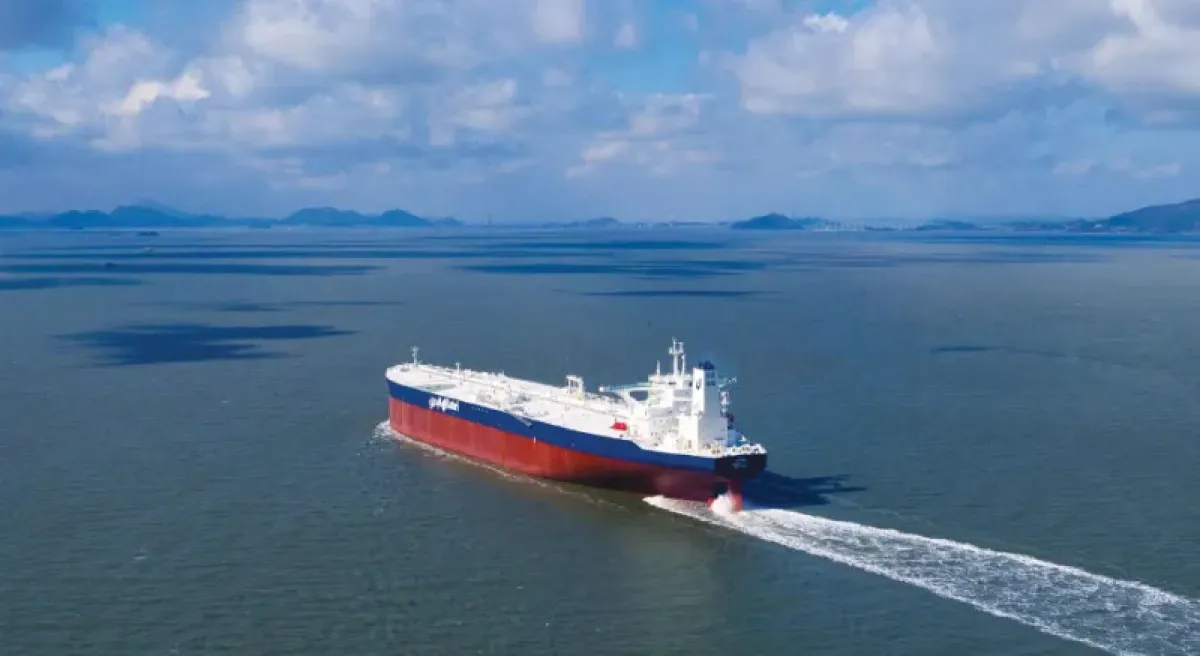
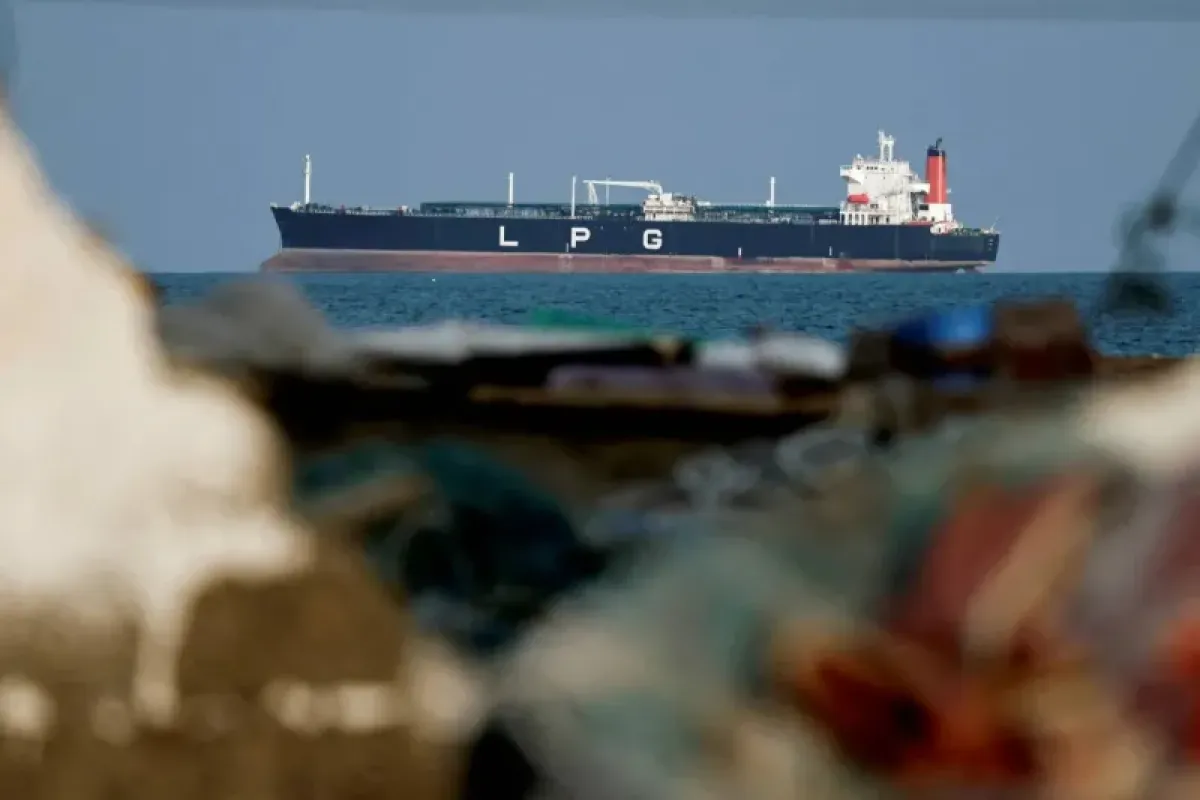
The proposed memorandum also addresses the immediate reopening of the Strait of Hormuz for international navigation without additional fees, with shipping traffic expected to return to normal levels within one month. This would be in exchange for the lifting of US restrictions on Iranian trade.
The nuclear issue is a central focus, with Iran reportedly committing to not pursuing nuclear weapons and to address its stockpile of highly enriched uranium. One proposed scenario involves reducing enrichment levels within Iran under UN inspector supervision, with more complex details to be negotiated in a separate, subsequent agreement.
Economically, the deal could grant Tehran temporary waivers from certain sanctions, permitting a resumption of oil exports for 60 days, with potential for gradual sanctions relief expansion based on compliance and flexibility in future talks. However, the release of frozen Iranian assets remains a significant hurdle, with Tehran seeking immediate access to a portion of these funds, while Washington insists on a phased release tied to the fulfillment of agreed-upon commitments.
The current draft is the result of extensive consultations facilitated by regional mediators, notably Qatar and Pakistan. While high-level approvals have reportedly been secured within Iran, final endorsement from the Supreme Leader is pending. Israel has expressed reservations, with reports suggesting it is lobbying Washington to prevent the release of frozen assets, fearing it could bolster Iran's economic capabilities without adequate assurances regarding its regional conduct and nuclear program.
The potential signing ceremony is rumored to take place in Geneva or Vienna in the coming days, with the agreement possibly being named "Islamabad Declaration" or "Islamabad Accord" in recognition of Pakistan's mediation efforts. This development follows President Trump's recent statements about halting planned strikes against Iran and his assertion that a "major, major deal" is imminent, signaling a potential end to the current confrontation.
Despite US optimism, Iranian authorities have maintained a cautious stance, refraining from confirming a final agreement. The coming days will be critical in determining whether these negotiations lead to a significant diplomatic breakthrough or if outstanding disputes will defer the official announcement once more.