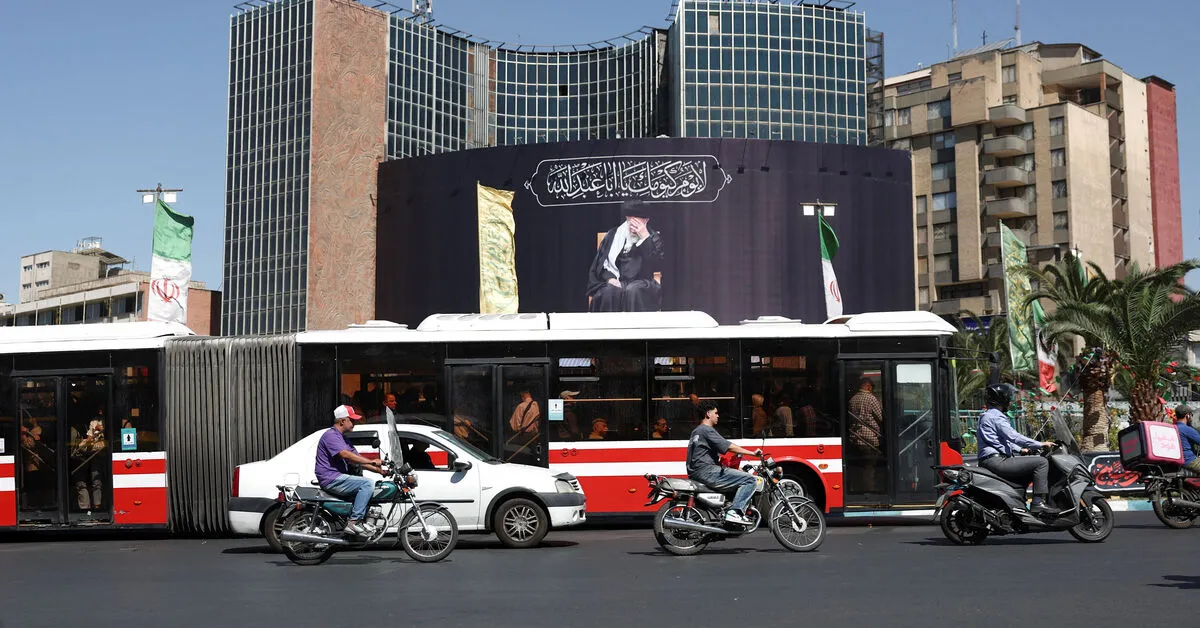
Iran announced on Tuesday that negotiations with the United States concerning its nuclear program and the lifting of sanctions are expected to commence later this week, following President Donald Trump's assertion that the Strait of Hormuz will be "completely open" once a deal is finalized.
Officials indicated that discussions on a comprehensive agreement would occur within a 60-day period after the memorandum of understanding, intended to resolve nearly four months of conflict initiated by US-Israeli strikes against Iran, is formally signed. Iranian Foreign Minister Abbas Araghchi stated, "Likely on Friday, at a location to be determined... a new round of negotiations between Iran and the United States to reach a final agreement will begin." He elaborated that "In the final agreement, decisions will be made on the nuclear issues and the lifting of sanctions." Iran's Deputy Foreign Minister and chief negotiator, Mohammad Bagher Ghalibaf, is slated to attend the signing ceremony in Switzerland, while the US delegation will be led by Vice President JD Vance, who suggested President Trump might also be present.
These developments followed President Trump's declaration that Iran's blockade of the critical Hormuz oil and gas route would be fully lifted by the same timeframe, a move anticipated to significantly benefit the global economy. The US had previously imposed reciprocal sanctions on Iranian ports. Trump reported on Monday that "Ships are starting to move, many loaded up with Oil, out of the Strait of Hormuz," and added that he did not anticipate requiring substantial assistance to maintain the waterway's openness.
Weeks of indirect negotiations, mediated by Pakistan and Qatar, had fostered momentum towards an interim agreement, overcoming sporadic violent incidents that had previously jeopardized the process since an April ceasefire. However, a definitive accord addressing Iran's nuclear ambitions and international sanctions remains unresolved. Washington and its key ally, Israel, are advocating for the dismantling of Iran's enriched uranium stockpile, reportedly hidden following US strikes last year, while Iran maintains its right to enrich uranium. The recently agreed framework, however, has created a pathway for discussions on these critical points of contention.
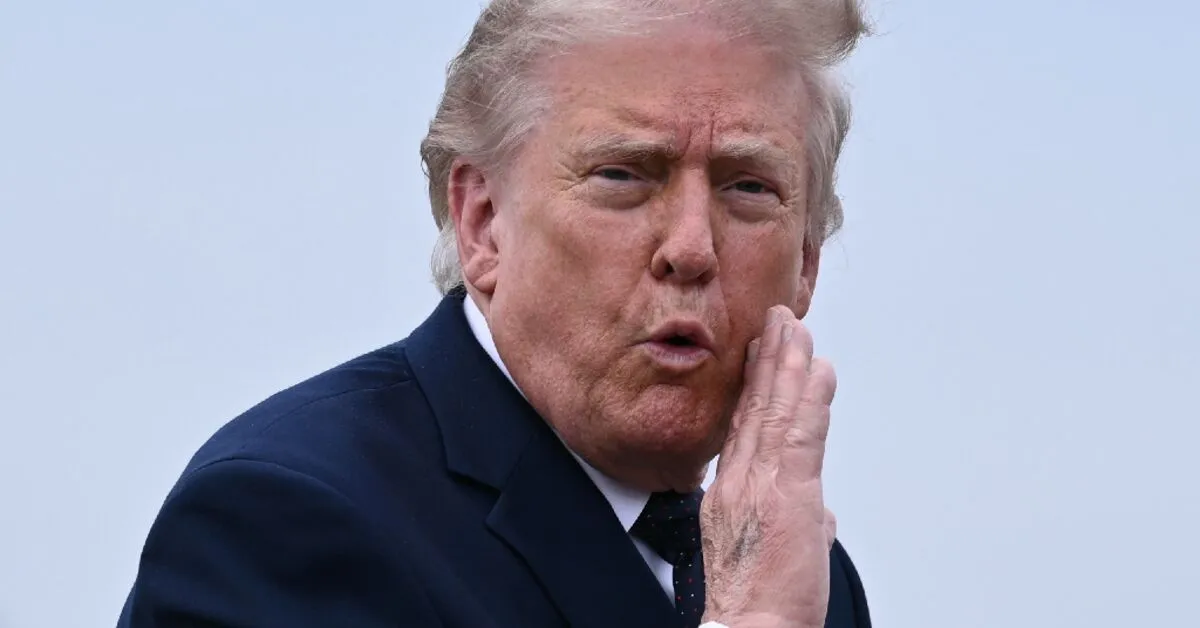
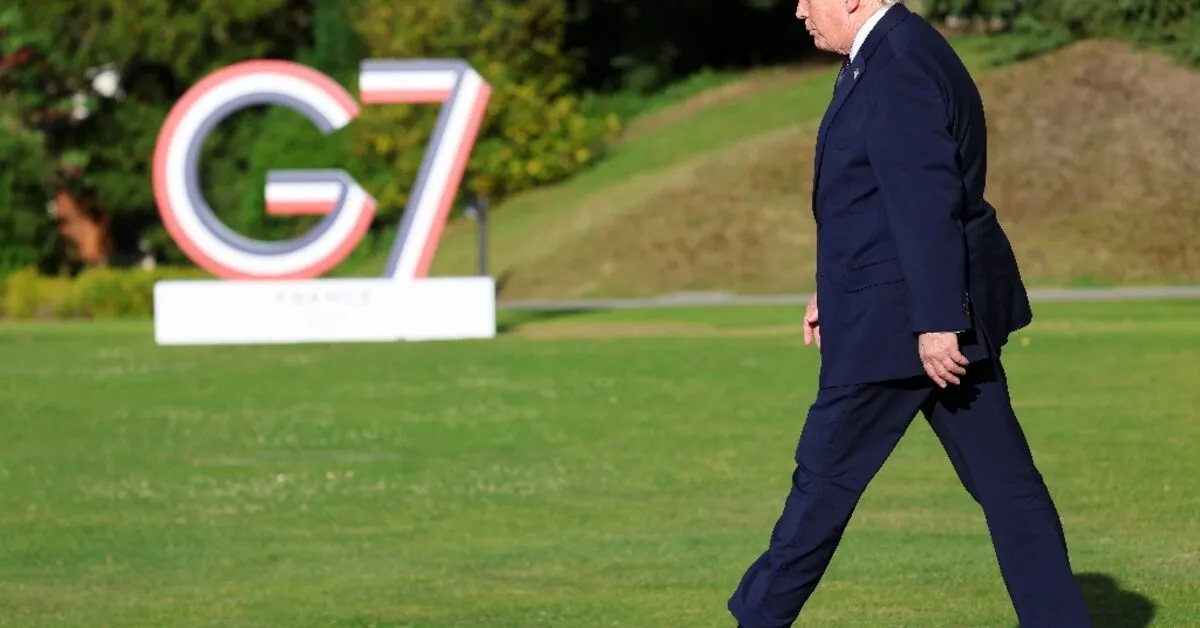
Regarding the release of the accord's text, President Trump described it as "a very powerful document" during the G7 summit in France, indicating it would be published "pretty soon." He also alluded to ongoing negotiations with Iran concerning a suspension of uranium enrichment for a period of 15 to 20 years. Iran's military acclaimed the accord as a triumph, claiming it had "humiliated" the US and Israel, with President Masoud Pezeshkian calling it "a great achievement" for the region. Conversely, the ultraconservative newspaper Vatan-e Emrooz characterized it as a "Trump surrender document." Minister Araghchi conveyed a more measured perspective, acknowledging past instances of broken commitments and revoked agreements as relevant considerations.
A senior US administration official confirmed that President Trump, Vice President Vance, and Iran's negotiator Ghalibaf had electronically signed the agreement. In related statements, Vice President Vance asserted that no US taxpayer funds would be directed to Iran under the deal, contradicting reports from Iranian media regarding the release of $12 billion in frozen assets. Vance also informed NBC that US and UN nuclear inspectors would be granted access to Iran, adding, "One of the core parts of the agreement is that the (International Atomic Energy Agency) and the United States are going to help Iran destroy the highly enriched stockpile, and that's something that's spelled out very clearly" in the MoU. At the G7 summit, President Trump reiterated that the primary focus of the deal was to prevent Iran from acquiring nuclear weapons, warning of severe repercussions should they do so.
Analysts have identified the ongoing conflict in Lebanon between Israel and Iran-backed Hezbollah as a significant risk to the current diplomatic détente. The conflict escalated in March when Hezbollah launched rockets into Israel following the assassination of Iran's supreme leader, prompting Israeli military responses. Ross Harrison of the Middle East Institute suggested this theater could be "the biggest ultimate spoiler" for the forthcoming negotiations. Israeli officials swiftly denounced the deal, with Prime Minister Benjamin Netanyahu pledging the continued presence of Israeli forces in Gaza, Lebanon, and Syria "for as long as necessary." However, Iran's Foreign Minister Araghchi emphasized on Tuesday that resolving the conflict on all fronts, including Lebanon, was "the most important" aspect of the peace deal with the United States, stating, "Ending the war in Lebanon is an inseparable part of the complete end of the war."