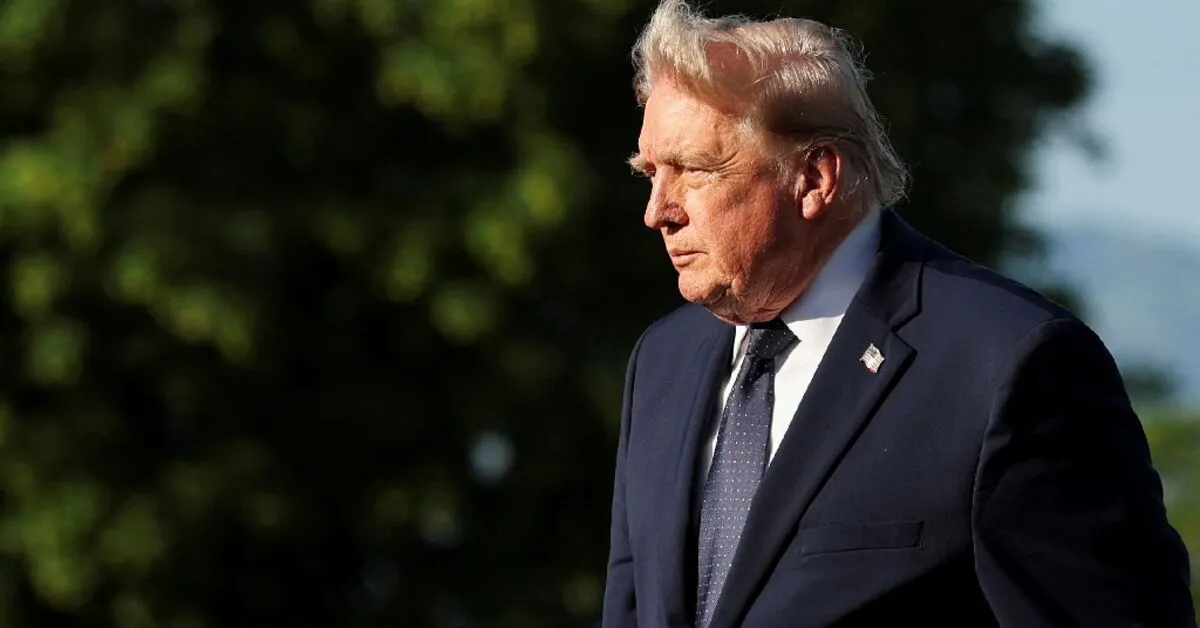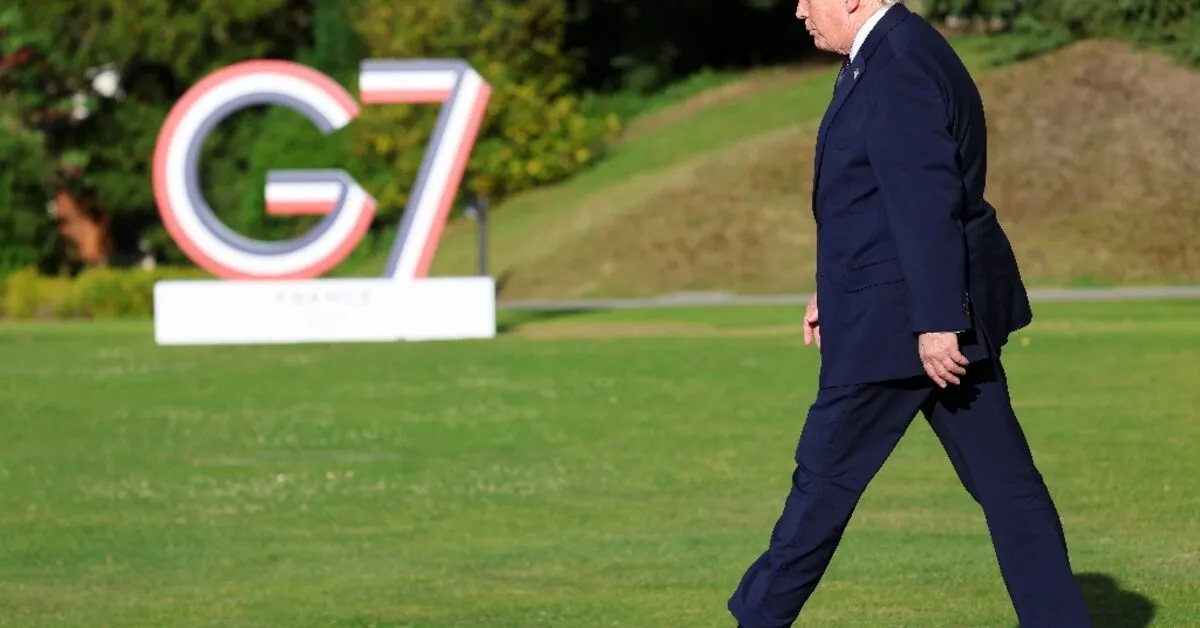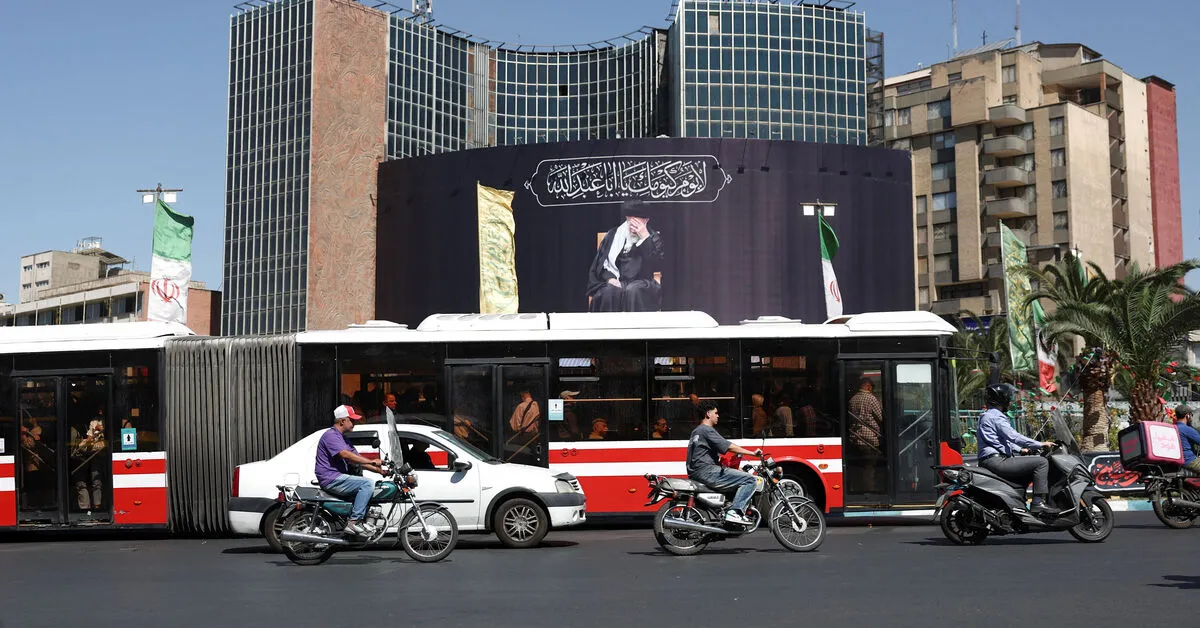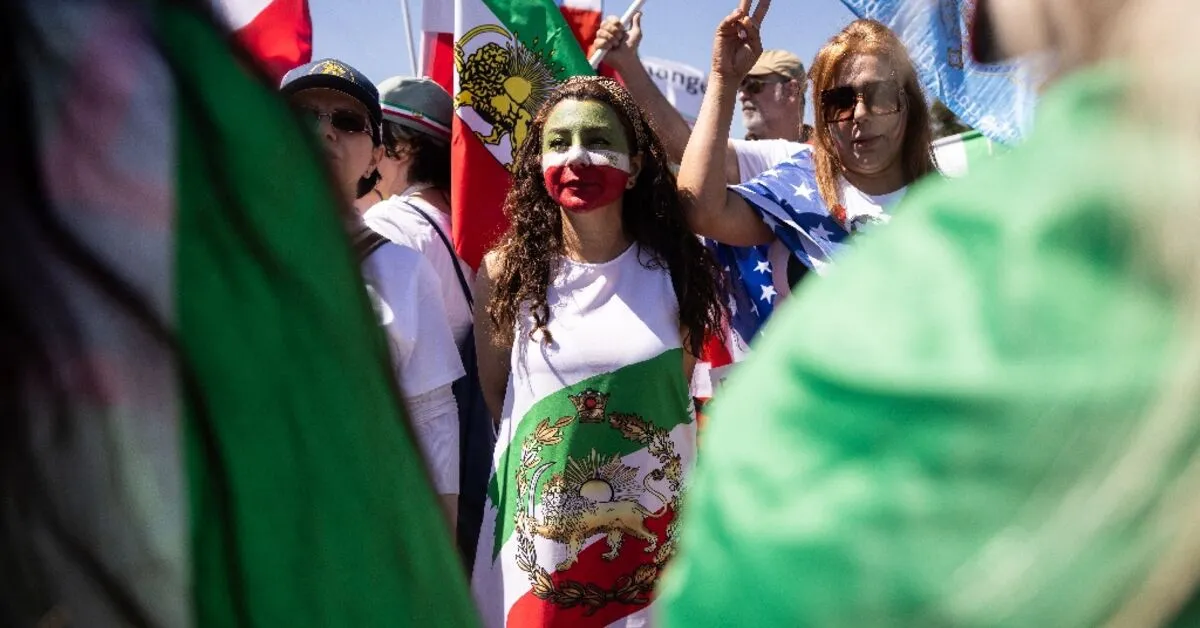
President Donald Trump has announced a preliminary agreement with Iran to conclude the recent Middle East conflict, a development framed as a diplomatic achievement, though significant challenges and political costs persist.
The memorandum of understanding, slated for signing in Geneva on Friday, has been met with cautious optimism, reflecting a broader skepticism fueled by the war's economic impact, including rising oil prices and inflation. The agreement aims to end nearly four months of hostilities, paving the way for negotiations on Iran's nuclear program and the potential lifting of sanctions.
This accord effectively extends the current ceasefire by 60 days and mandates the reopening of the Strait of Hormuz, a critical chokepoint for energy shipments, prior to the commencement of highly sensitive negotiations. The conflict, initiated by the United States and Israel on February 28, resulted in thousands of casualties, primarily in Iran and Lebanon, and disrupted global trade, with thirteen U.S. troops also losing their lives.
Facing domestic pressure to withdraw from the war ahead of the November midterm elections, President Trump received immediate praise from some allies, who lauded him as the "president of peace." However, reactions within his own Republican party have been divided. Senator Lindsey Graham expressed concern that Iran's interpretation of the agreement might differ from the U.S. stance, emphasizing that any nuclear accord would require congressional review and a vote. Similarly, Senator John Cornyn shared a conservative commentator's view that "No deal is better than a bad deal."
Opposition Democrat Senator Chris Murphy questioned the likelihood of a final agreement, stating that while an eventual deal might represent a concession to Iran, its achievement would be welcomed given the detrimental effects of the ongoing conflict. Senior Trump administration officials defended the agreement, asserting that Iran would only receive funds upon fulfilling its obligations. Political scientist Larry Sabato noted that the current accord is not definitive and that extensive details remain to be negotiated, potentially for years.
Sabato also observed that President Trump, whose approval ratings are at historic lows, has diminished his political capital, even among Republican supporters and within Congress. The question of whether the new agreement will closely resemble the 2015 deal negotiated by former President Barack Obama, which Trump rescinded, remains unanswered. Obama suggested that any new agreement is unlikely to differ significantly from the original, which he stated was effective for a considerable period. Wendy Sherman, a key negotiator of the 2015 deal, anticipates a degree of similarity but highlighted the altered landscape, particularly the presence of highly enriched uranium, and expressed doubt that all issues could be resolved within the 60-day timeframe.