In areas controlled by the Houthi militia, public endowment (Waqf) lands, intended for community service and charitable initiatives, are reportedly being systematically looted and seized by influential figures within the group. These lands are allegedly being used as a cover for acquiring properties and amassing substantial personal fortunes.
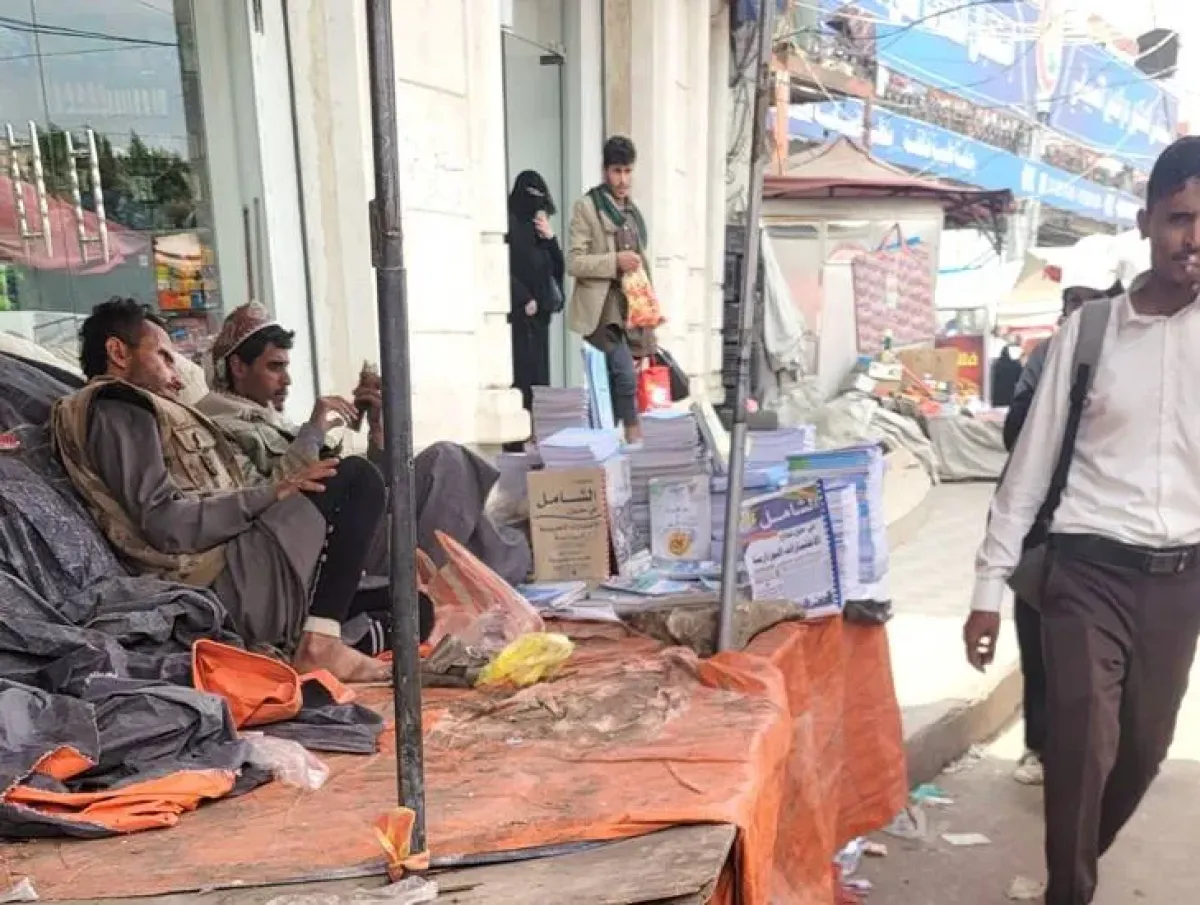
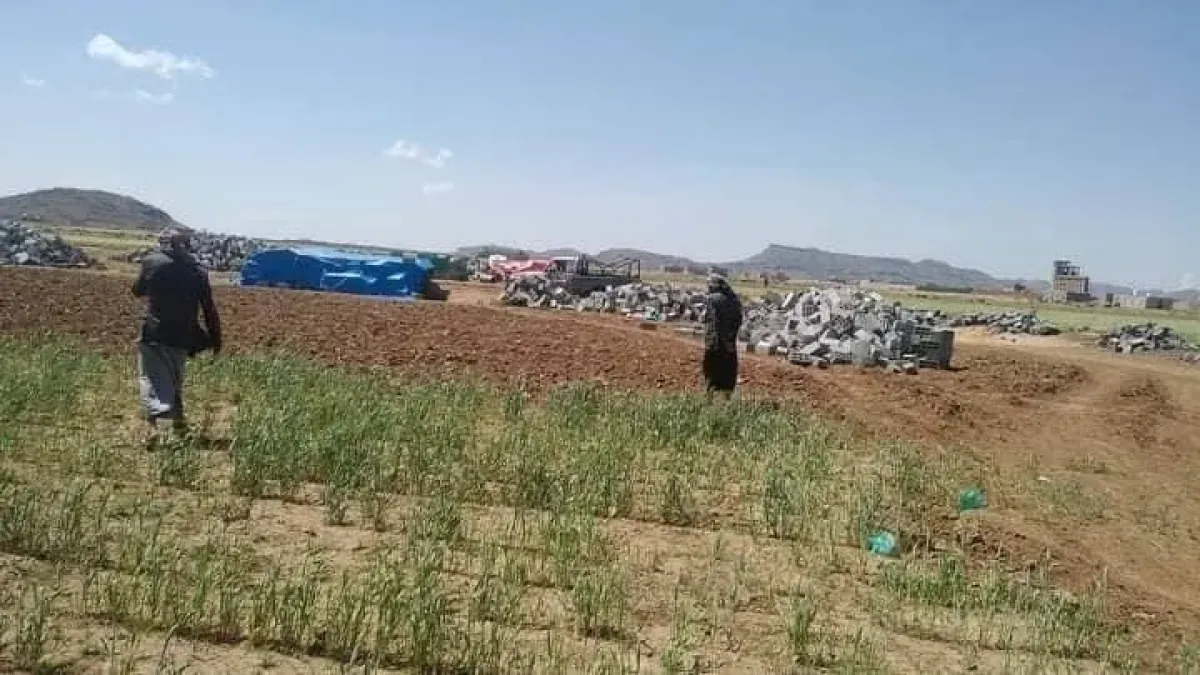
A recent incident in Ibb Governorate exemplifies these alleged practices. An influential Houthi official is accused of forcibly taking over a Waqf land in the Mydakherah district, subsequently leasing parts of it to local vendors, including poultry sellers. This alleged appropriation, carried out without any legal or Sharia-compliant procedures, is seen by observers as part of a broader pattern of encroachment on public and Waqf properties since the militia's takeover of state institutions in 2014.
Local sources indicate that the Houthi official, identified as Ahmed Abdo Ali, seized the Waqf land in the Khamis Al-Afiyush area. The Houthi-appointed director of the Waqf office in Mydakherah has reportedly taken no action to halt the encroachment or protect the land, despite repeated complaints from residents. This inaction has fueled suspicions of a network of vested interests connecting some Waqf officials with influential individuals benefiting from the appropriation of these assets.
The alleged appropriation in Mydakherah is reportedly not an isolated event. Ibb Governorate has, for years, witnessed widespread attacks on Waqf lands and public properties, with accusations frequently leveled against Houthi leaders and local influential figures for seizing large tracts of land for investment projects or for sale. Similar patterns are reportedly occurring in Sana'a, Dhamar, Hodeidah, and other Houthi-controlled governorates, where the Waqf authority has become a powerful entity in land and real estate matters.
Concerns have intensified recently with renewed land disputes in the "Asr" area, west of Sana'a. The Houthi-controlled General Authority for Waqf has reportedly initiated moves to reclassify significant areas of private land as "public Waqf," based on contested historical accounts and documents. The opening of a new office for the authority in the area has led to widespread protests from residents who view this as a prelude to seizing their properties and imposing a new real estate reality that threatens long-standing ownership rights.
Since the establishment of the so-called "General Authority for Waqf" in early 2021, the Houthi group has granted this body broad powers to survey, manage, and dispose of Waqf assets. While ostensibly aimed at protecting Waqf properties, observers argue that the authority has become a tool for reshaping property ownership maps within Houthi-controlled territories and consolidating economic influence. Experts suggest that these policies not only aim for financial gain but also serve to subdue local communities, particularly in tribal areas where land is fundamental to social standing and economic stability.
The systematic seizure of Waqf and private lands is alleged to have resulted in the accumulation of vast wealth for several Houthi leaders and their associates, who now control extensive commercial and investment properties. Conversely, citizens reportedly face the loss of their property or protracted legal disputes amidst the group's dominance over judicial and administrative institutions and the absence of independent oversight mechanisms. This trend is also seen as detrimental to the investment climate, discouraging new investments due to a lack of legal guarantees for private property rights.