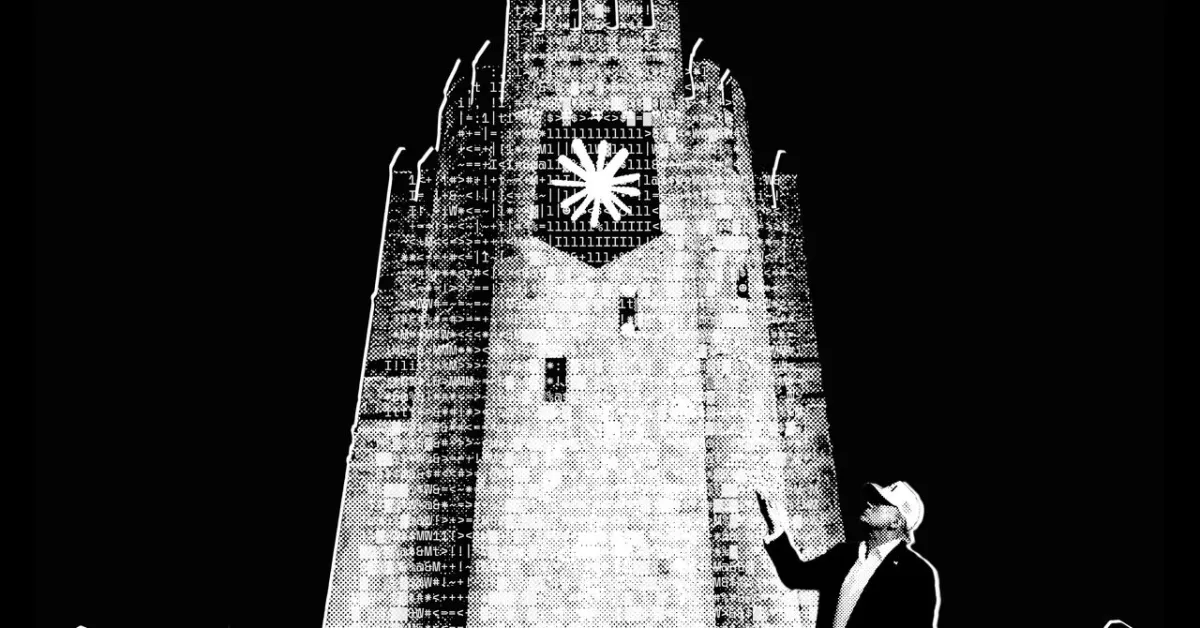
The White House is putting pressure on AI company Anthropic to crack down on "jailbreaking" – a method where users craft prompts to bypass AI safeguards – demanding stricter fixes before allowing their advanced AI model, Claude Fable 5, back online.
Officials have informed Anthropic that if they want to rerelease Fable 5, which was recently taken offline due to export controls, they must address the vulnerabilities the government alleges exist. Anthropic, however, maintains that the concerns are exaggerated and that the impact of jailbreaks is minimal, a stance reiterated in a meeting with the Commerce Department and the Office of the National Cyber Director.
Despite Anthropic's position, the National Security Agency has reportedly concluded that Fable 5's security guardrails, designed to prevent misuse in areas like cybersecurity, chemistry, and biology, can indeed be disabled. The administration now views the issue as Anthropic's responsibility to resolve, as agencies like the Commerce Department and NSA lack the resources to hunt down every potential AI exploit.
The administration expects Anthropic to proactively test its frontier AI models, including Fable 5, for jailbreaks and report any findings themselves. However, the core challenge remains: cybersecurity experts increasingly believe that AI guardrails are only temporary solutions, and skilled users will inevitably find ways to circumvent constraints, making the White House's demand potentially unachievable.
This situation arises amidst other political developments, including a shake-up in the potential leadership of the Director of National Intelligence (DNI) role and a recent UFC event attended by tech executives and donors, highlighting ongoing interactions between the tech industry and the current administration.