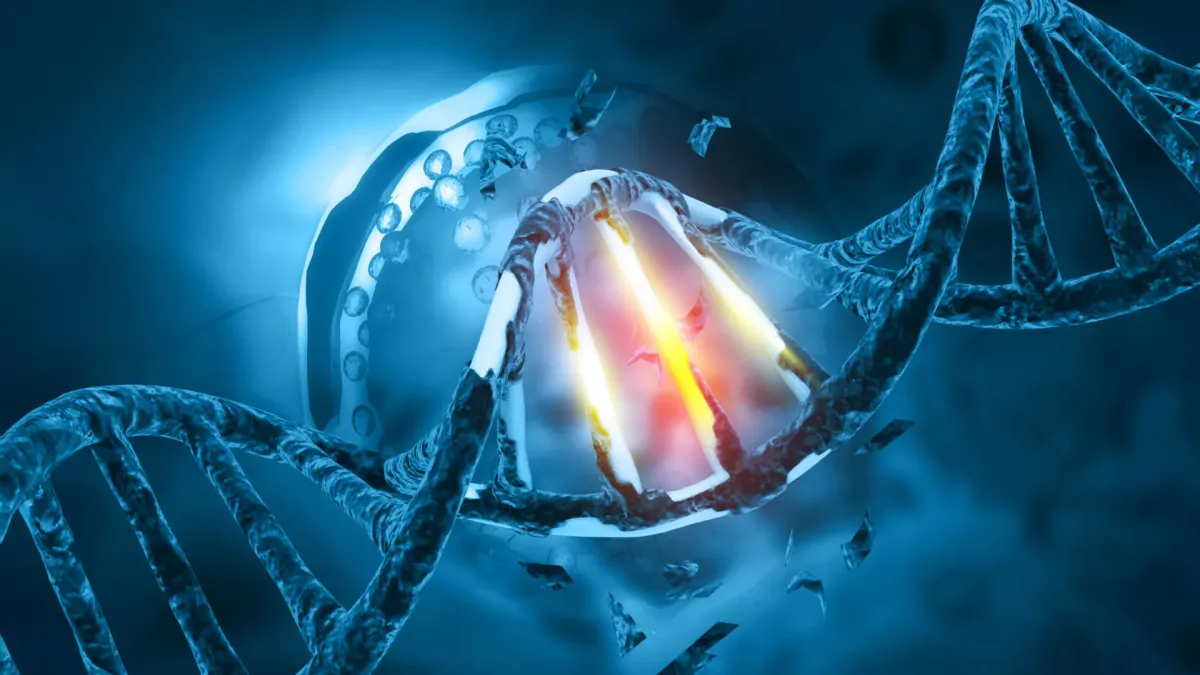
Scientists have discovered that an overactive DNA repair gene, EXO1, can actually promote cancer by destabilizing the genome, opening doors for new personalized treatment strategies.
Tumor suppressor genes are usually our allies, working to fix DNA and prevent mutations. But new research from Penn State College of Medicine reveals that too much of the EXO1 DNA repair protein can be detrimental. Instead of repairing DNA, excessive EXO1 can break it down, leading to genome instability, a hallmark of cancer.
This overactivity of EXO1 is found in 20% to 30% of breast and ovarian cancers, as well as melanoma, testicular, cervical, and liver cancers. Intriguingly, cancer cells with high EXO1 levels behave similarly to those with BRCA mutations, which are known to increase hereditary cancer risk, even when no BRCA mutation is present.
The study, published in Nature Communications, suggests that EXO1 could act as a biomarker to identify patients who might benefit from specific chemotherapy treatments. "The same drugs that are reserved for treating BRCA-mutant tumors... could potentially be used to treat EXO1 overexpressing tumors," explained senior author George-Lucian Moldovan. This could expand the use of targeted therapies and potentially reduce side effects.
Laboratory experiments showed that when EXO1 production surged, its DNA-cutting function went haywire, damaging structures that should remain intact. This excess activity leads to DNA lesions and breaks, ultimately making cancer cells more vulnerable to chemotherapy, according to lead author Alexandra Nusawardhana.
The research also found that EXO1-overexpressing tumors responded strongly to olaparib, a drug used for BRCA-mutant cancers, and cisplatin, a common chemotherapy agent. This suggests that patients with elevated EXO1 could benefit from these treatments, possibly even at lower doses of cisplatin to minimize side effects. The team plans to continue their research with the ultimate goal of initiating clinical trials.