Houthi militias have intensified military operations across multiple fronts in Yemen, a move widely seen by observers as an attempt to distract from escalating internal crises, including widespread hunger and unpaid salaries.
In recent days, the group has reportedly increased offensive actions and infiltration attempts in the critical battlefronts of Hodeidah, Dhale, Taiz, and Shabwah. These synchronized maneuvers are interpreted as an effort to sustain conflict amid growing public discontent over the ongoing embezzlement of salaries, deteriorating living conditions, and pervasive poverty within Houthi-controlled territories.
Specific incidents include clashes in the western coast region of Hodeidah, where the National Resistance forces repelled a Houthi infiltration attempt. In Dhale, Southern and Joint Forces thwarted a significant Houthi offensive on the Bab Ghalq front, inflicting substantial casualties and material losses on the attackers. The Taiz Military Axis announced the foiling of another infiltration attempt near the city, which resulted in Houthi fatalities and injuries. Houthi forces also launched an assault on Shabwah's Bayhan district, which was reportedly repelled by the defending Shabwah Defense Forces.
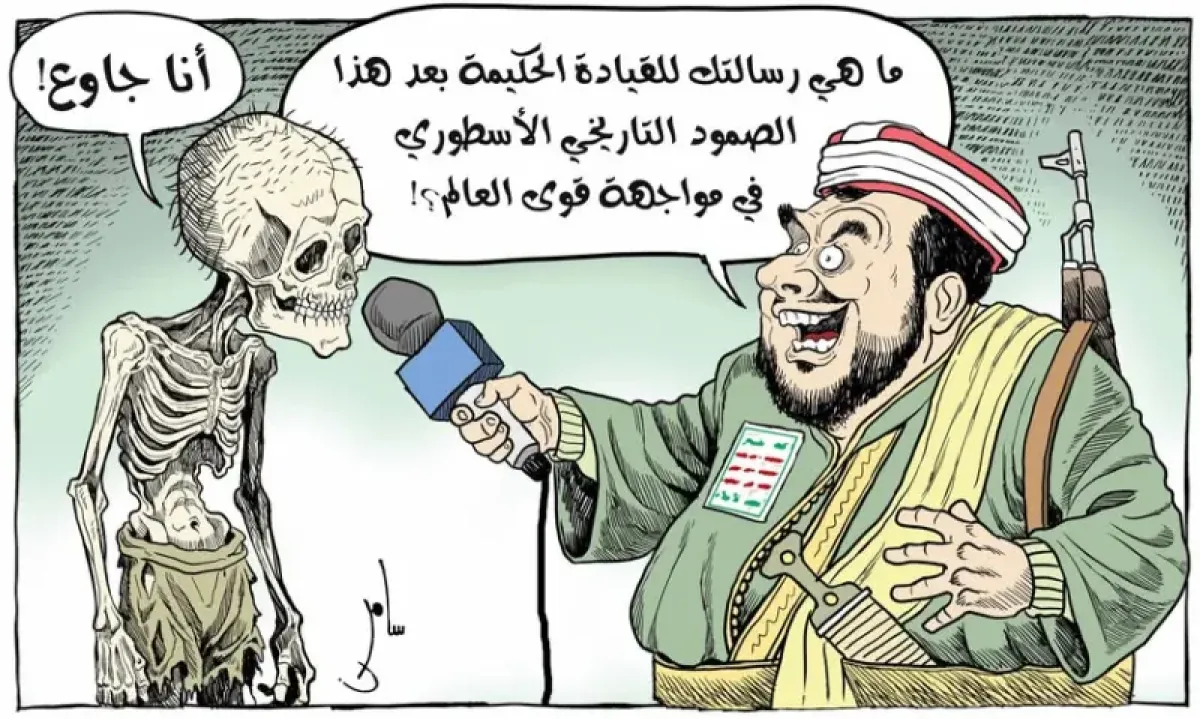
This military escalation coincides with increasing economic and social pressures on the Houthi administration. Citizens are voicing widespread complaints about the continuous suspension of salaries, soaring food prices, and the decline of essential services. The Yemeni government and activists accuse the group of diverting public revenues and financial resources to fund its military activities rather than compensating state employees.
Military sources suggest the Houthis aim to create a persistent state of mobilization by igniting front lines and launching repeated attacks, thereby convincing the population that war is the priority. This strategy is believed to be a tactic to overshadow public anger over dire living conditions. Furthermore, the group may be employing military escalation as leverage to reintroduce discussions on oil revenues and economic resources, especially as its capacity to benefit from regional developments for political gains appears to be diminishing.
Analysts contend that the recurring Houthi attacks, despite most failing to achieve significant territorial gains, reflect an effort to fabricate media victories and reinforce a war narrative. This is occurring at a time when the group faces mounting internal challenges, including famine, unemployment, collapsing services, and rising public resentment due to the continued denial of salaries to employees for the tenth consecutive year.