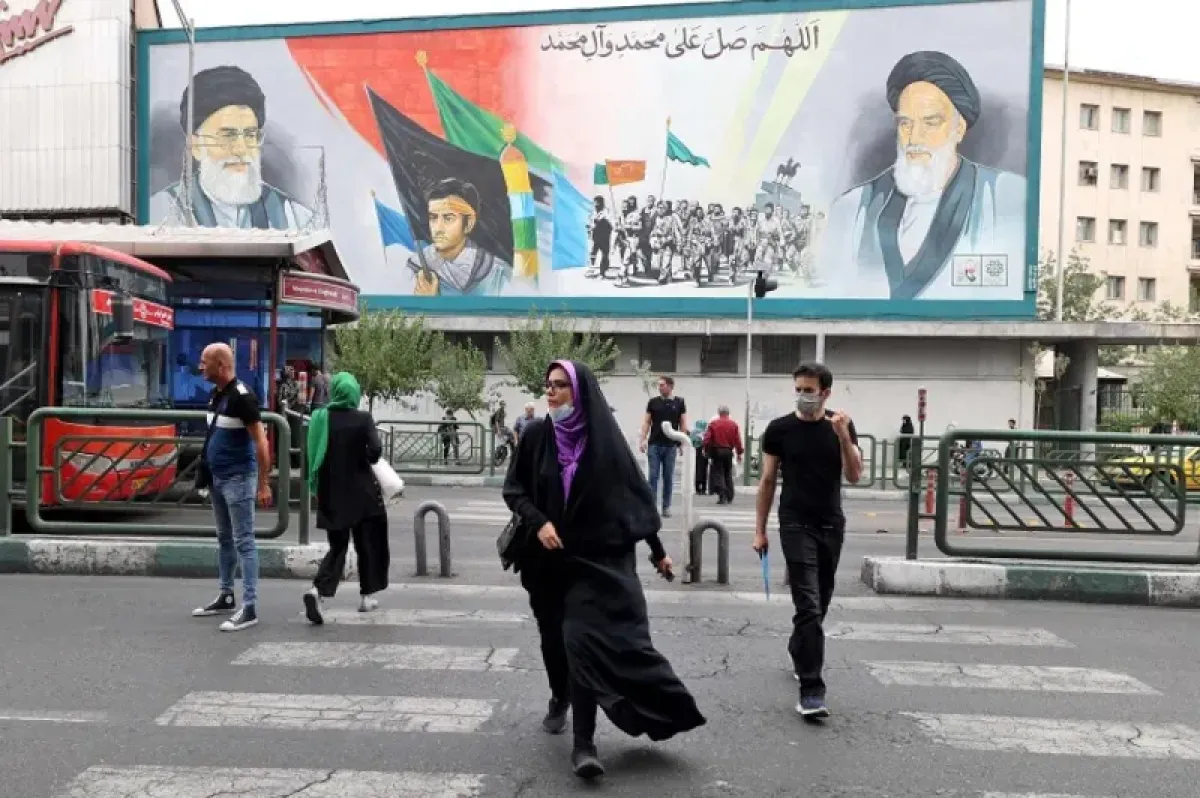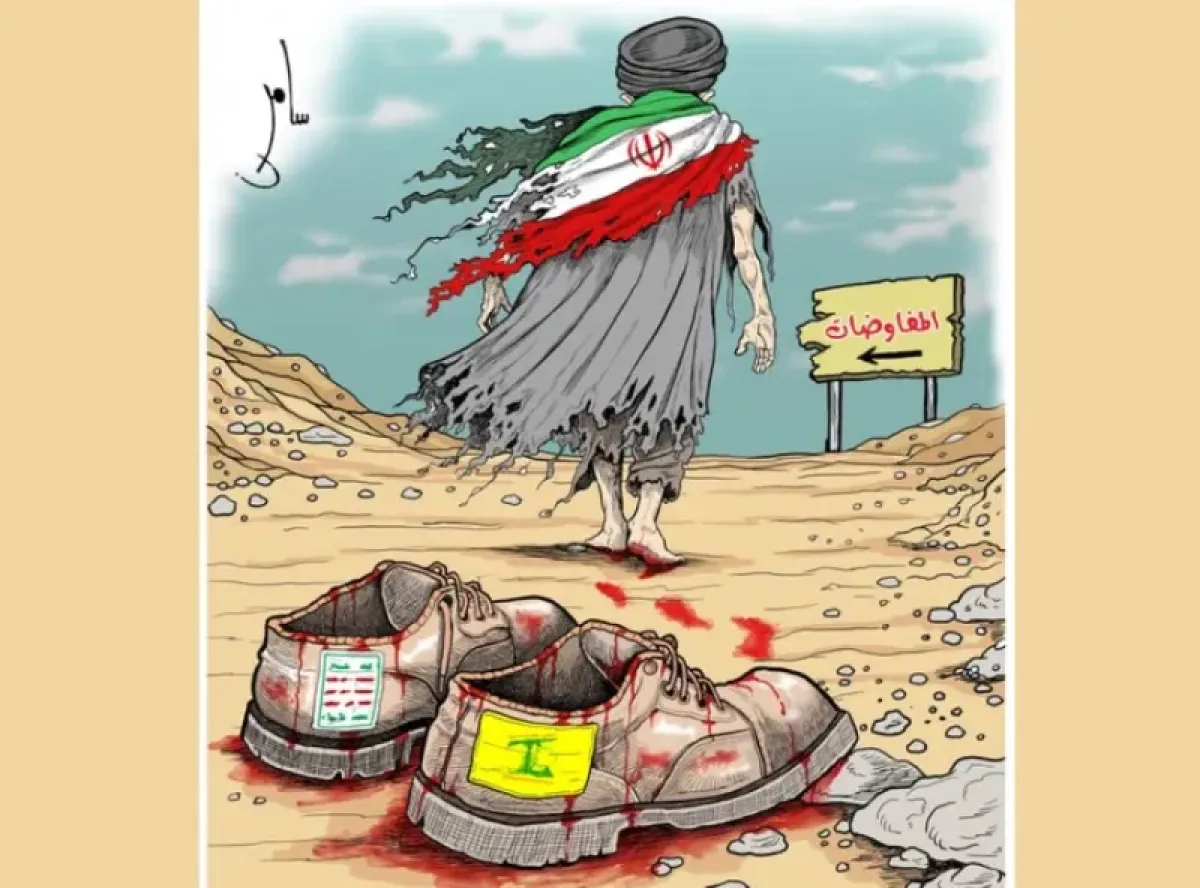
An emerging peace understanding between Iran and the United States has significantly reshaped the regional landscape, compelling Iran's allied militant groups to pivot from expansionist strategies to a more cautious approach focused on preserving existing gains. This shift is a direct consequence of recent costly military confrontations and evolving geopolitical dynamics.
A comprehensive analysis highlights that Iran's strategic network of proxies, cultivated over decades across Lebanon, Iraq, Yemen, and Gaza, has been forced to recalibrate its objectives. Once viewed as critical instruments of Iranian influence and advanced defense lines, these groups now prioritize damage control and the consolidation of their political and military footholds rather than aggressive expansion.
The recent regional conflict exposed the vulnerabilities inherent in this proxy strategy, demonstrating how extensive influence can be rapidly eroded by intense military and economic pressures. This process was accelerated, not initiated, by the latest confrontations, which built upon years of targeted strikes, sanctions, and political realignments against Iran's allies.
In Gaza, Hamas has sustained substantial losses in its organizational structure, military capabilities, and leadership, limiting its capacity to play a significant regional role or open effective fronts. Consequently, the movement's immediate focus has shifted to internal reconstruction and capability restoration.
Hezbollah in Lebanon faces what analysts describe as one of its most complex challenges to date. While engaging in support of Iran, the group and Lebanon have endured extensive Israeli military campaigns, resulting in significant human and material damage. The resulting displacement and destruction necessitate a prioritization of recovery and reconstruction over further conflict escalation.
In Yemen, the Houthi movement has demonstrated resilience but has not fully achieved the strategic impact initially anticipated. Despite ongoing attacks on international shipping, these actions have not decisively altered regional power balances. This suggests a deliberate Houthi strategy to avoid a full-scale regional war that could jeopardize their domestic gains.
Similarly, Iran-aligned factions in Iraq have opted to avoid direct involvement in the recent conflict, indicating a growing apprehension about the potential domestic and regional repercussions of wider escalation. This cautious stance reflects a pragmatic assessment of the costs associated with overt alignment in the current volatile environment.
Several factors have contributed to Iran's diminished capacity to support its proxies. Geopolitical shifts, such as changes in the Syrian theater, have disrupted crucial logistical supply lines. Furthermore, Iran's internal economic crises and escalating sanctions have curtailed financial resources available for regional allies, while Iran's own military infrastructure has reportedly suffered direct damage, impacting its missile and drone capabilities.
The current strategic imperative for Iran's allies is markedly different from the pre-war era of territorial expansion. Instead, the focus has coalesced around reorganizing ranks, rebuilding military capacities, absorbing recent setbacks, and securing existing spheres of influence within their local contexts.
However, these transformations do not signal the collapse of Iran's allied network or the complete disappearance of its influence. These groups retain significant political, military, and social presence within their societies, and some have become integral to the political and institutional fabric of their respective nations. This embeddedness provides a degree of resilience and adaptability, even with reduced external support.
The ongoing peace process between Washington and Tehran is expected to reinforce this trend. With limited immediate prospects for renewed military confrontation and Iran's own focus on internal and external recalibration following a draining conflict, a period of strategic consolidation for its allies is anticipated.
Consequently, observers predict that Iran's proxies will likely de-escalate confrontational activities, prioritizing the stabilization of their positions and local influence over engaging in new military ventures. This suggests a potential regional phase characterized by repositioning rather than further expansion.
In conclusion, the recent conflict has redrawn the boundaries of Iranian power projection in the Middle East. Tehran's proxies have transitioned from an offensive posture seeking influence expansion to a defensive stance focused on preserving gains and managing losses. This strategic reorientation represents a significant outcome of the recent regional confrontation and portends profound changes in the nature and future of Iranian influence in the region.