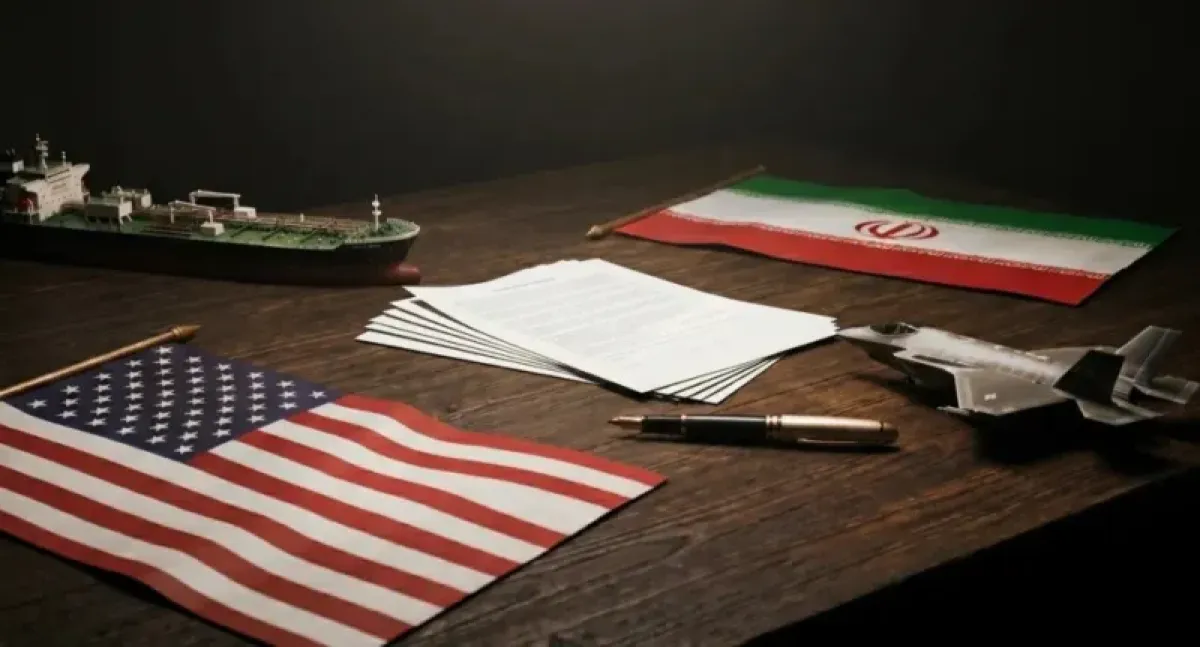
An analysis suggests Iran views the ongoing negotiations with the United States as an opportunity to bolster its political and regional standing rather than a path toward a comprehensive settlement of core disputes.
The analysis, published by the Middle East Forum and authored by Mardu Soghom, indicates that while Washington frames the recent talks in Lucerne, Switzerland, as a preliminary step toward a broader agreement, Iran's official media narrative focuses on immediate objectives, primarily economic and political relief for Tehran.
Iranian media coverage of the discussions reportedly emphasized issues such as a ceasefire in Lebanon, access to frozen Iranian assets, and maritime security in the Strait of Hormuz. Significantly absent from this coverage were contentious matters that have defined the bilateral conflict for decades, including Iran's nuclear program, ballistic missile development, and its network of regional militias and proxies.
The analysis highlights that Iran's Nour News, an outlet close to its security establishment, characterized the initial talks as primarily centered on the Lebanese ceasefire and asset freezes. This focus, according to the analysis, reflects Tehran's current priorities and its pursuit of rapid gains without engaging in more sensitive issues.
The outcome of the talks is described as limited and fragile, exacerbated by ongoing political and regional tensions. The prompt suspension of discussions for consultations, following new statements and threats from U.S. President Donald Trump, underscores the vulnerability of the entire process to external developments.
Despite pronouncements of a new phase of negotiations, the available evidence does not point to direct, in-depth discussions between high-level American and Iranian officials. A joint statement from mediators merely announced the formation of technical committees, communication channels, and a general roadmap, without revealing any political understandings or substantive agreements reached during the meeting.
The absence of official photographs from direct negotiation sessions and detailed accounts of the discussions reinforces the perception that the meeting was more of a diplomatic and ceremonial event than genuine negotiations aimed at addressing the root causes of the crisis.
The official Islamic Republic News Agency (IRNA) adopted a more cautious stance regarding the upcoming sixty-day period, emphasizing that this phase would be dedicated to testing the implementation of mutual commitments rather than resolving major political issues. Iranian Foreign Ministry spokesperson Ismail Ghaani further stressed that negotiations for a final agreement would not commence until specific provisions of the memorandum of understanding are implemented, based on a principle of reciprocity.
This approach, the analysis argues, grants Tehran valuable time to engage in protracted procedural and technical negotiations over the coming period, potentially consuming the majority of the allotted timeframe without achieving genuine settlements on fundamental issues. The proliferation of working groups and technical committees addressing nuclear files, sanctions, oversight mechanisms, maritime security, and Lebanon could lead to the negotiation process becoming mired in complex procedural details, allowing Iran to gain time, alleviate international pressure, and retain most of its strategic leverage.
The analysis also notes the Iranian delegation's diplomatic conduct in Lucerne, where officials reportedly avoided any public interaction with U.S. Vice President J.D. Vance. Iranian media also refrained from highlighting his presence or publishing joint photographs, a move interpreted as an effort to deny Washington any symbolic gain that could be leveraged domestically or internationally.
The official Iranian discourse now frames the negotiations as a process requiring the United States to adapt to Iranian terms and demands, rather than one necessitating painful concessions from Tehran. This perspective, the analysis concludes, reflects a growing confidence within the Iranian leadership in its ability to utilize time and procedural complexities to manage American pressure and consolidate its political and regional gains during the negotiation period, without making fundamental concessions on core disputes with Washington.