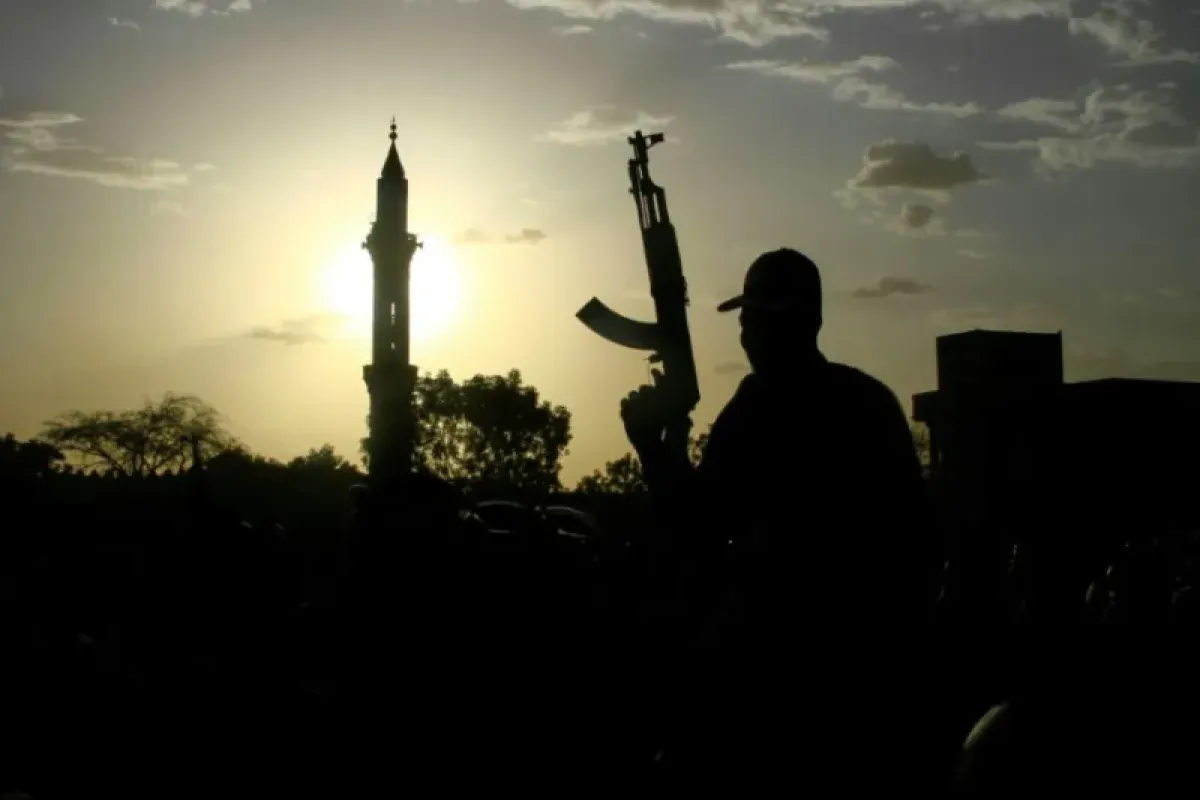
In a strategic maneuver to revive its political standing after years of decline and isolation, Sudan's Muslim Brotherhood is reportedly establishing a new entity named the "Islamic Bloc." Analysts view this as a continuation of the organization's long-standing practice of rebranding its political fronts when facing existential crises or mounting internal and external pressures.
This development occurs as the organization navigates one of its most challenging periods since its inception roughly eight decades ago. This is compounded by its designation as a terrorist group in March 2026, leading to escalating political and legal restrictions, as well as persistent widespread public rejection following the downfall of its regime in April 2019.
Political analyses and reports indicate intensive consultations between Brotherhood leaders and parties with religious affiliations, as well as certain Sufi orders and traditional administrative bodies. The aim is to forge a broad alliance under the banner of the "Islamic Bloc," structured with a supreme coordination council, a general secretariat, and specialized committees to manage joint political and organizational activities.
Observers suggest that the true objective extends beyond unifying Islamic currents; it also aims to provide a new political base for Sudanese army leader Abdel Fattah al-Burhan. This is seen as a prelude to re-establishing the Brotherhood's influence within state institutions, particularly after their exclusion from regional and international political initiatives aimed at resolving the Sudanese crisis in recent years.
This interpretation is reinforced by al-Burhan's recent statements criticizing external initiatives and calling for what he termed "internal national dialogue." These calls have drawn significant criticism from civilian and political factions who argue they pave the way for consolidating military rule and re-empowering Islamists within the government under different guises.
The Muslim Brotherhood in Sudan has historically relied on changing names and political facades whenever it encountered crises or lost popular legitimacy. The organization, initially known as the "Muslim Brotherhood," later transitioned to the "Islamic Charter Front," then the "National Islamic Front," and subsequently the "National Congress Party," which governed Sudan for three decades before its ouster in 2019. After the overthrow of al-Bashir's regime, the organization attempted a comeback through other fronts, most notably the "Broad Islamic Current," before proposing the "Islamic Bloc" project as its latest repositioning effort.
Critics argue these recurrent changes have been attempts to circumvent popular rejection and sidestep the heavy legacy of their rule, which was associated with international isolation, economic crises, and internal conflicts. Despite efforts to launch the new entity, observers are skeptical of its prospects for success, especially given the transformations Sudan and the region have undergone. A broad consensus has emerged among significant segments of the Sudanese populace since the revolution to prevent the return of forces associated with the former regime, while some Islamic leaders face demands for accountability regarding corruption, abuses, and war crimes.
The recent terrorist designation further complicates the landscape, diminishing any potential regional or international acceptance. Concurrently, many countries are increasing scrutiny of groups linked to political Islam and transnational organizations. Analysts contend that the political environment that previously allowed the Brotherhood to rebrand itself no longer exists, and public awareness of these political maneuvers is higher than ever.
The formation of the "Islamic Bloc" fuels growing concerns among political and civil sectors that it may serve as a precursor to rebuilding the organization's associated political, economic, and security networks. This could potentially plunge Sudan back into the cycle of polarization and international isolation it endured for many years. These fears are amplified by recurring accusations against groups linked to the organization during the ongoing conflict since April 2023, as well as reports of certain armed factions associated with it engaging in civilian abuses.
Opponents believe Sudan requires a comprehensive national project to address the war's aftermath, economic collapse, and humanitarian catastrophe, rather than attempts to re-establish forces historically linked by many Sudanese to a period of crises and conflicts. Amidst the ongoing war and worsening humanitarian conditions, the Brotherhood's latest attempt to re-enter the political arena appears more challenging than ever, facing renewed popular rejection and mounting political and legal pressures. This raises serious questions about the organization's ability to regain influence through name changes and new facades, especially when the Sudanese people's collective memory remains more potent than any new designation.