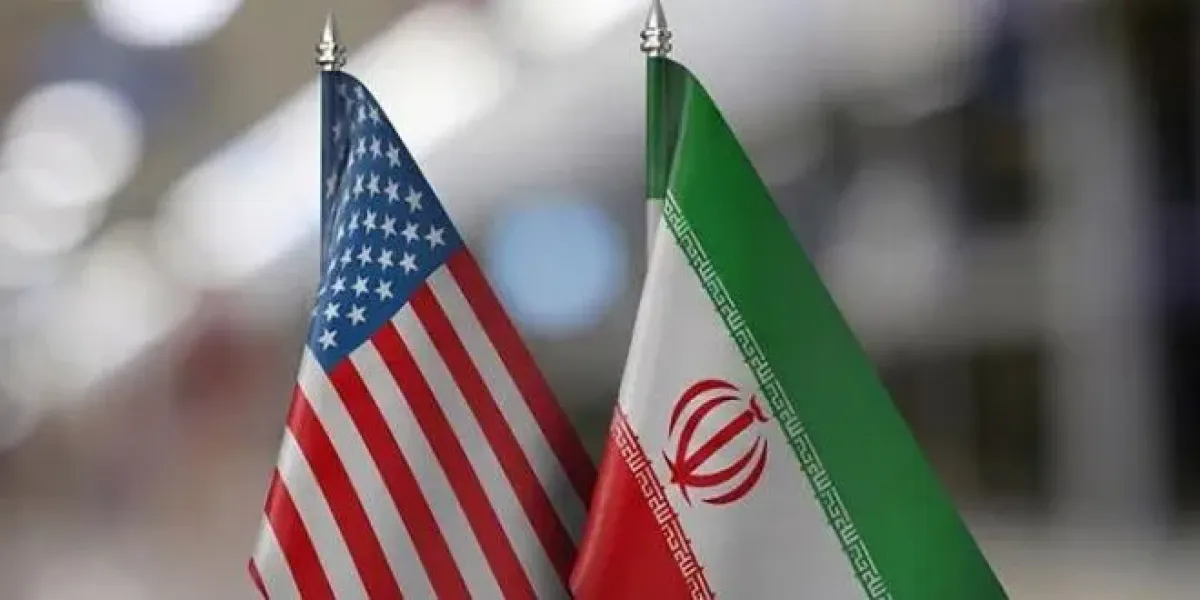
Washington and Tehran have signed a memorandum of understanding aimed at de-escalating the conflict in the Middle East and initiating a new phase of negotiations for a comprehensive final agreement within 60 days. The agreement was reached remotely by U.S. President Donald Trump and Iranian President Masoud Pezeshkian.
The memorandum stipulates an immediate and permanent cessation of military operations across all fronts, including in Lebanon. Both parties have committed to refraining from the use or threat of force in the future and to respecting the sovereignty and territorial integrity of nations.
Under the terms of the agreement, the United States will immediately begin lifting the naval blockade imposed on Iran, completing its removal within 30 days. Additionally, U.S. forces are to be withdrawn from the vicinity of Iran within 30 days of the final accord's ratification. In return, Tehran pledges to ensure the safe passage of commercial vessels through the Strait of Hormuz and the Arabian Gulf without imposition of fees for 60 days, with the gradual restoration of navigation resuming after technical and military obstacles are cleared.
The memorandum also includes a U.S. commitment to collaborate with regional partners on a plan for the reconstruction and development of the Iranian economy, valued at no less than $300 billion. This includes granting necessary licenses and exemptions for financial transactions related to the plan.
Regarding the nuclear issue, Iran has reiterated its commitment not to pursue the acquisition or development of nuclear weapons. Both parties have agreed to address the matter of stored enriched materials through a mutually agreed-upon mechanism, which will involve reducing uranium enrichment levels under the supervision of the International Atomic Energy Agency.
Furthermore, the memorandum outlines procedures for the termination of sanctions against Iran according to a timeline to be established during upcoming negotiations. Immediate exemptions will be granted to permit the export of Iranian oil, petroleum products, and associated services, encompassing banking, insurance, and transportation aspects.
Washington has also pledged to make frozen Iranian funds and assets fully accessible upon the implementation of the memorandum, with a joint mechanism to be established for their release during the negotiation phase. A joint implementation mechanism will be created to monitor adherence to the agreement's provisions and oversee the execution of the anticipated final agreement, which will subsequently require a binding resolution from the United Nations Security Council.
In initial reactions, Pakistani Prime Minister Shehbaz Sharif stated that the agreement signifies the immediate reopening of the Strait of Hormuz and the end of the U.S. naval blockade on Iranian ports. He announced that a ceremony will be held in Switzerland on Friday to celebrate the accord and to inaugurate technical discussions for its implementation.
Axios reported that the memorandum of understanding became effective upon its electronic signature by the U.S. and Iranian presidents. Iranian Foreign Ministry spokesperson Ismail Baghaei confirmed that negotiations regarding the implementation mechanism have commenced immediately, emphasizing the necessity of lifting oil sanctions and enabling Iran to resume its oil exports within the 60-day period stipulated in the agreement.