The final Australian woman with suspected links to the Islamic State group, who had been stranded in the Middle East, will be permitted to return to Australia, according to Home Affairs Minister Tony Burke.
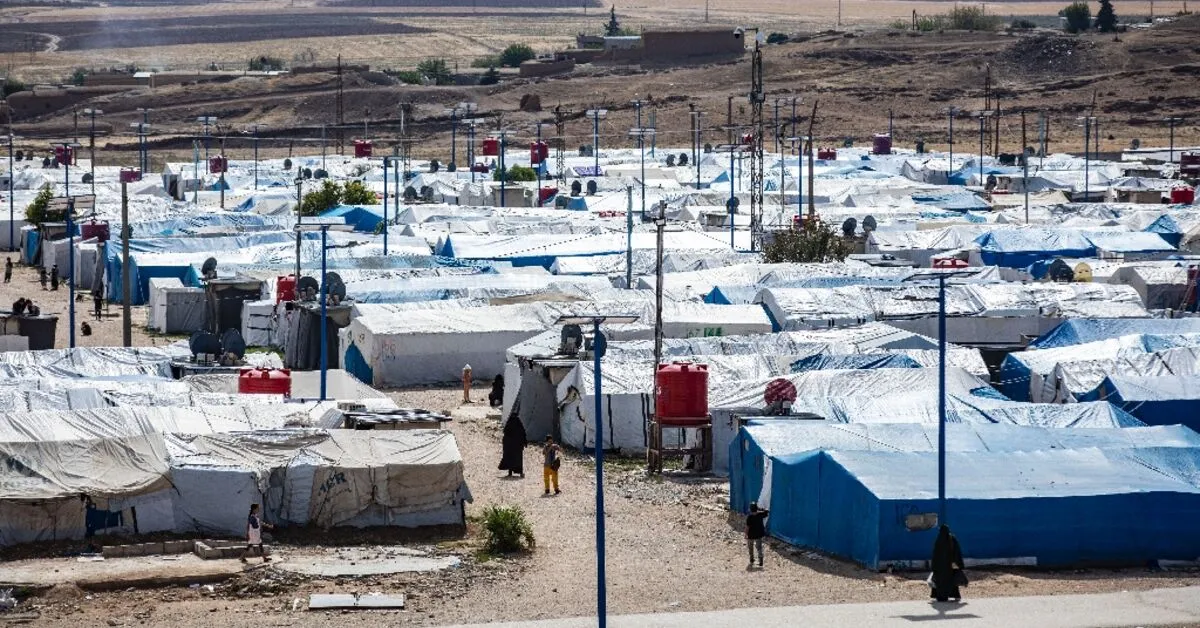
This decision comes as numerous Australian women and children have been repatriated from overcrowded Syrian detention facilities, where they have been held since the downfall of the Islamic State's self-proclaimed caliphate. Many of these women had departed Australia to join husbands who had enlisted as jihadist fighters, leading to them being commonly referred to as "IS brides" in their home country.
The unnamed woman is the last of an estimated group of over 30 women and children to be repatriated to Australia. Minister Burke indicated that her return had previously been prevented by a "temporary exclusion order," but this order has now lapsed, rendering it legally impossible for Australia to deny entry to its citizen.
Upon her arrival, the woman will be subject to strict security measures, including surveillance and restrictions on her access to electronic devices and communication. "There will be a very high level of scrutiny and surveillance, and we have reached the legal limit of what we are able to do," Minister Burke stated.
Earlier this year, three women were apprehended upon their return to Australia and subsequently charged with offences ranging from slavery to membership in a terrorist organisation. The collapse of the Islamic State group left hundreds of women from Western nations stranded in the Middle East, a situation that Australia, Canada, the United Kingdom, and other countries continue to address.
While Australia's Human Rights Commission has advocated for the government to facilitate the repatriation of women and children from the Syrian detention camps, some segments of the public hold opposing views, believing these women should face the consequences of their actions.