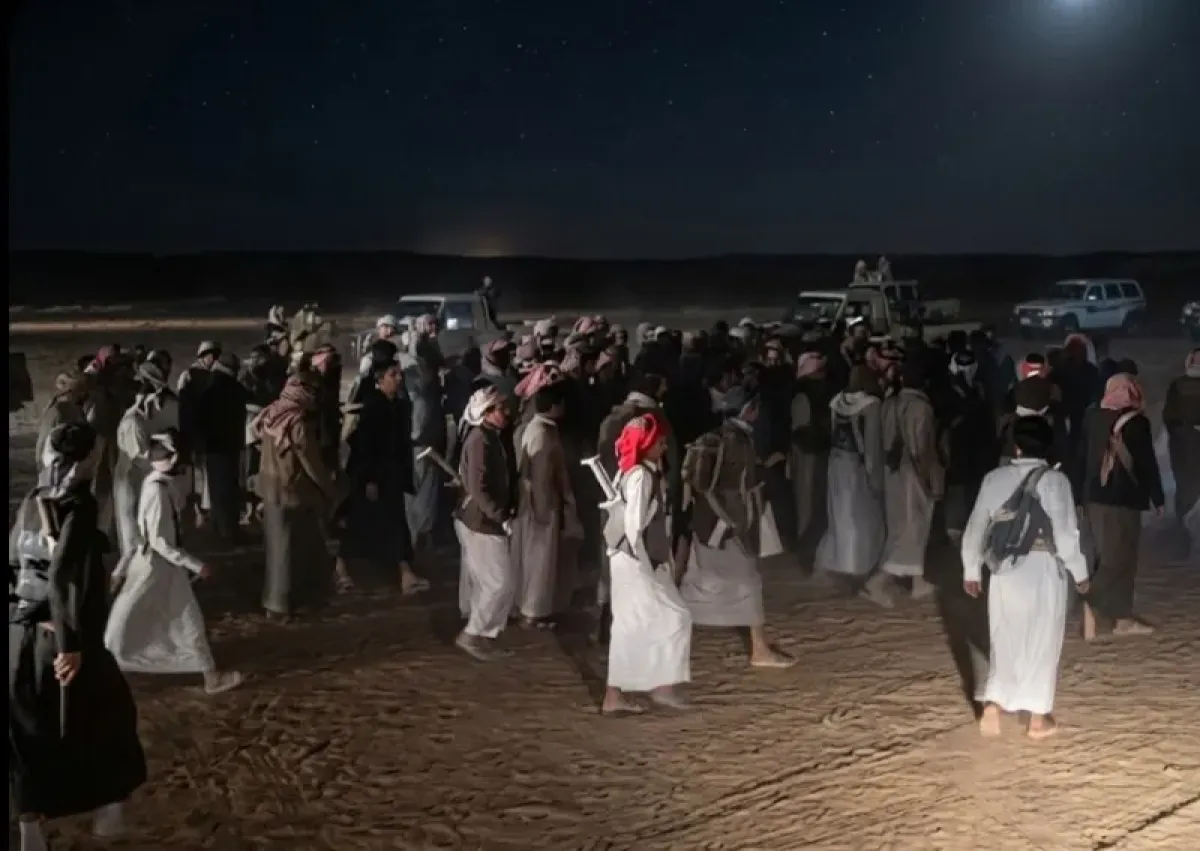
Tribes in Yemen's Al-Jauf governorate have escalated their actions against the Houthi militia following the bombing of tribal leader Sheikh Hamad bin Rashid bin Fadgham Al-Hazmi's home. The militia's act is seen as retaliation after Al-Hazmi defected and revealed alleged abuses during his detention.
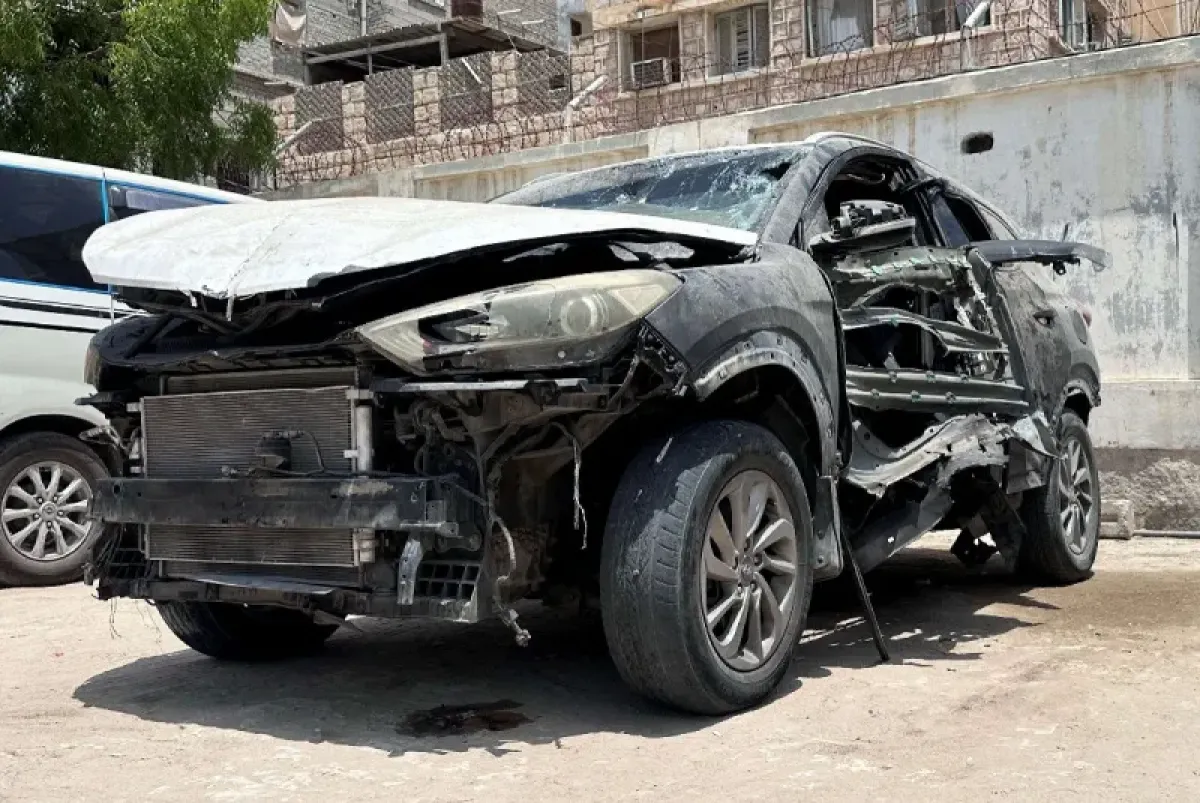
Local and tribal sources reported that the bombing targeted Al-Hazmi's residence in the Al-Yatmah area of Al-Jauf. The operation was reportedly supervised by Houthi leader Fares Manaa, who has been implicated in a prominent case involving a woman known as "Mera Saddam Hussein" and escalating tribal disputes.
The bombing occurred just two days after Al-Hazmi reached government-controlled territories. In video recordings, he detailed his arrest, humiliation, and torture, stating that forced confessions were extracted from him. He refuted the Houthi narrative previously broadcast by their media outlets.
Observers view the targeting of Al-Hazmi's home as more than just punitive action against a prominent tribal figure. They believe it carries broader political and tribal messages amid rising tensions within tribes in Al-Jauf, Sa'dah, and other Houthi-controlled provinces. The Houthi group appears to be attempting to deter tribal figures from opposing their policies or exposing internal issues. However, this strategy seems to be backfiring, with growing tribal solidarity with Al-Hazmi and the issue becoming a significant tribal public relations matter extending beyond Al-Jauf.
Following Al-Hazmi's defection and revelation of his detention details, tribal delegations from Al-Jauf, Marib, Hadramout, and Sana'a converged in the Al-Rayan area, east of Al-Jauf, to express solidarity with the Daham tribes and support Al-Hazmi. This gathering highlights the issue's impact on tribal circles.
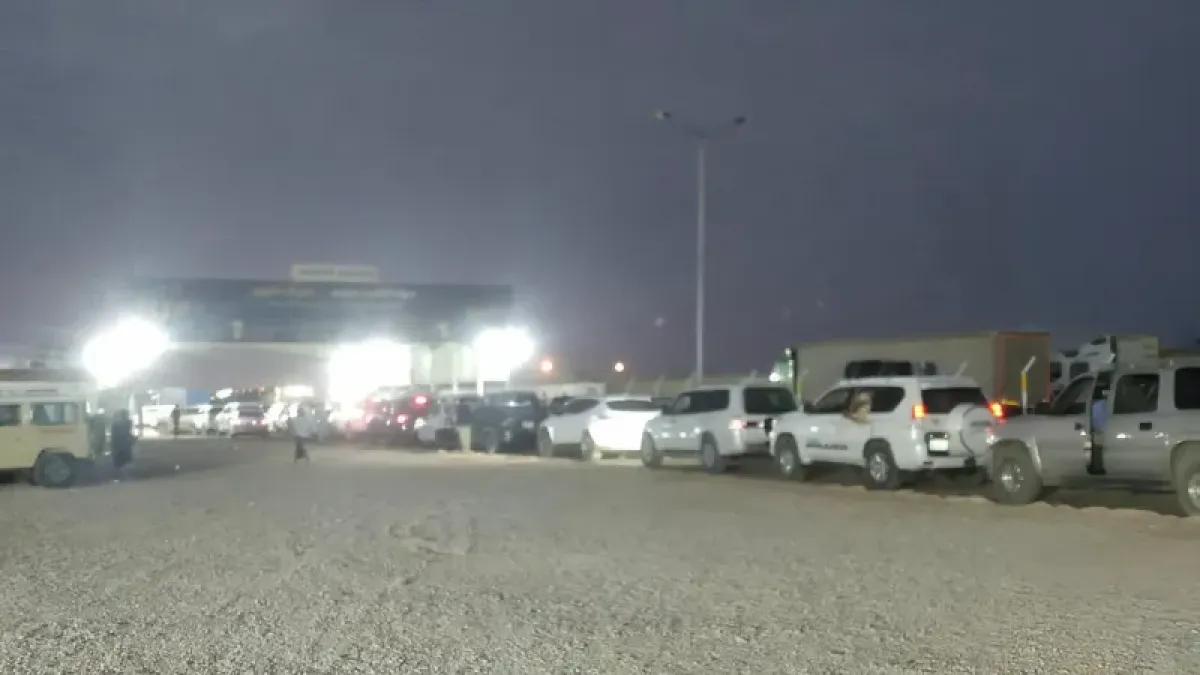
Tribal sources confirmed that the Daham tribes have intensified their measures by impounding commercial trucks belonging to individuals from the Sahar and Khawlan tribes in Sa'dah. They accuse Fares Manaa of involvement in the matter and have vowed to continue these actions until their demands are met, primarily the handover of the woman who sought refuge with Al-Hazmi to tribal gathering areas in Al-Rayan.
Al-Hazmi appeared in a video statement announcing the Daham tribes' agreement to continue halting trucks destined for Sa'dah, linked to Manaa and his tribe, until their tribal demands are fulfilled. Houthi attempts to de-escalate the crisis by sending tribal delegations and offering mediation have failed to resolve the situation. The tribal response has been firm, rejecting any discussions or reconciliation before addressing the core demand concerning the woman's relocation.
In a notable development, a Houthi-organized tribal gathering in Al-Masloub district of Al-Jauf had the opposite of its intended effect. Several elders and members of the Bani Nauf tribes declared their full solidarity with Al-Hazmi and the Daham tribes, signaling a widening rift between the Houthis and tribal components previously within their sphere of influence.
Analysts suggest the issue has transcended Al-Hazmi's personal case, now representing a challenge to tribal customs, the prestige of tribes, and their role in protecting those who seek their sanctuary. This explains the widespread engagement with the matter both within and outside Al-Jauf.
Furthermore, the bombing of Al-Hazmi's home may prompt further tribal alignment against the Houthi group, especially given Al-Hazmi's accusations of forced confessions under torture and subsequent tribal demands for redress and justice. The recent developments indicate that the Houthi group is confronting one of its most complex tribal crises in years, failing thus far to contain the fallout and facing expanding tribal anger and solidarity. This crisis risks reshaping tribal influence dynamics in Al-Jauf and surrounding areas.