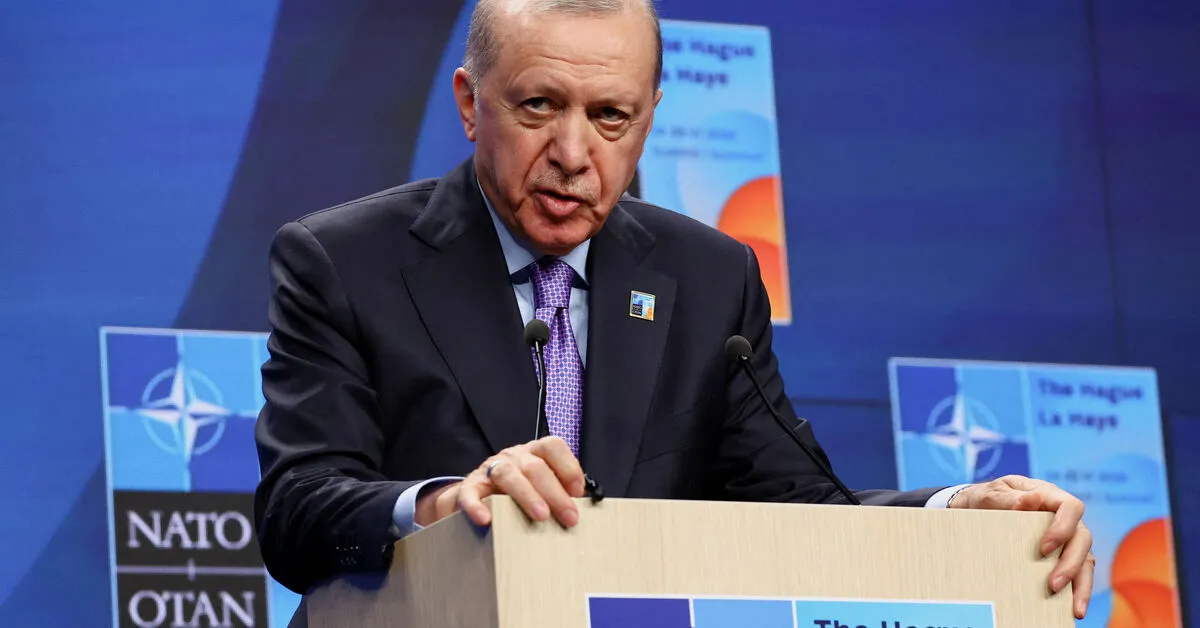
Western nations have largely ceased publicly criticizing Turkey's human rights and freedoms record, prioritizing security cooperation and strategic alliances over democratic concerns, particularly since Russia's invasion of Ukraine.
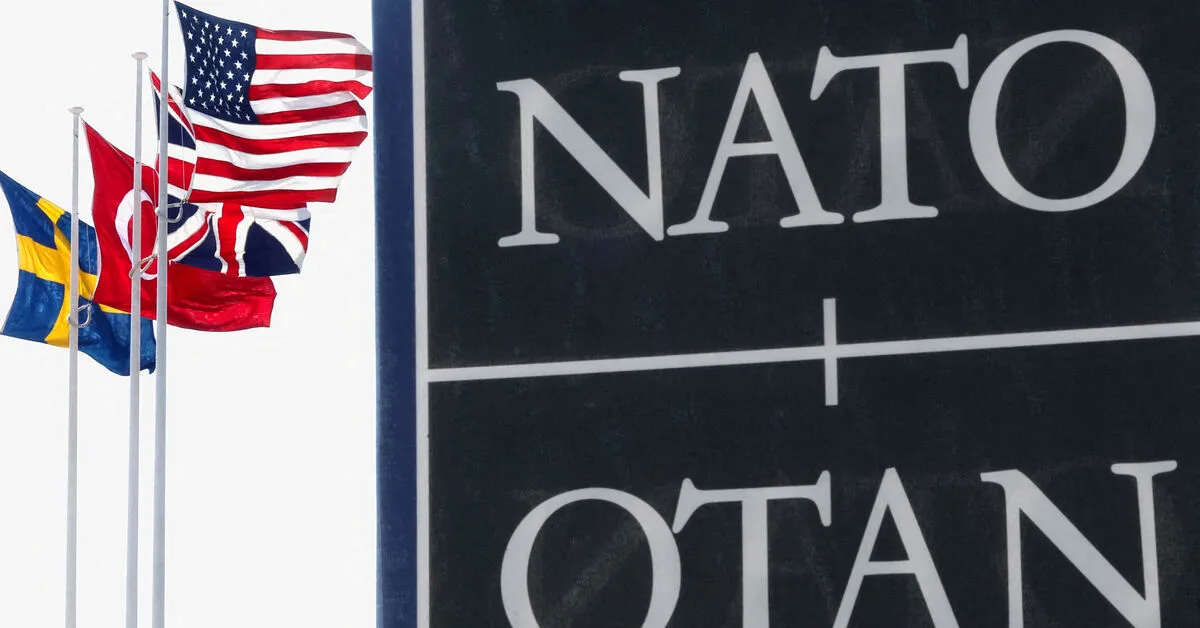
This shift in diplomatic approach is expected to be evident during the upcoming NATO summit in Ankara, where leaders of the 32 member states will convene. Notably, significant legal actions against Turkey's main opposition Republican People's Party (CHP), including the imprisonment of its presidential candidate and Istanbul Mayor Ekrem Imamoglu, are not anticipated to be a point of public contention among the attending leaders, according to diplomatic sources involved in the summit's planning.
Critics argue that this Western reticence emboldens authoritarian tendencies within Turkey, isolates its opposition, and deviates from NATO's foundational principles of democracy and the rule of law. David Satterfield, a former U.S. ambassador to Ankara, emphasized the importance of continued Western dialogue on Turkey's democratic institutions, stating that "the course is not irrevocably set." He suggested that discreet discussions on human rights had not historically harmed U.S.-Turkish relations and that avoiding such topics under the previous U.S. administration did not advance bilateral ties.
Historically, Western criticism of Turkey's rights record has been more pronounced. In 2021, ten Western ambassadors, including the U.S. envoy, jointly called for the release of philanthropist Osman Kavala, a case seen by many as emblematic of political imprisonment. President Tayyip Erdogan initially reacted with anger, threatening to expel the ambassadors. However, a diplomatic resolution was reached after conciliatory statements from the envoys. Kavala has been detained for nearly nine years and faces a life sentence for charges he denies, despite rulings from the European Court of Human Rights calling for his release due to insufficient evidence and allegations that his detention aims to silence him.
Ahead of the NATO summit, human rights organizations have expressed alarm over restrictions imposed on independent journalists seeking to cover the event, with dozens reportedly denied accreditation. Authorities have also detained over 200 individuals citing security concerns. While NATO acknowledges the importance of press access, it has deferred to the host country's guidance on accreditation matters. Some Western diplomats privately acknowledge that overt criticism of Ankara's policies is perceived as ineffective in curbing democratic backsliding, leading them to prefer private discussions.
Turkey's strategic importance within NATO has grown, particularly given its second-largest military and its role as a significant drone exporter, positioning it as a crucial bulwark against Russian aggression. This elevated status has occurred despite past tensions, such as Turkey's delays in approving Sweden and Finland's membership bids, and its complex relationship with Moscow. Experts suggest that Western allies increasingly favor a transactional relationship, recognizing Turkey's indispensable role in European defense, and perceive that any muted criticism regarding internal matters, such as the crackdown on the opposition, is unlikely to lead to significant retaliatory actions.