Yemen's government is intensifying efforts to revive its crucial oil and gas sector, but faces significant hurdles including ongoing Houthi threats to energy infrastructure and the absence of a secure environment to attract foreign investment.
In recent weeks, the Yemeni government has accelerated initiatives to revitalize the oil and gas industry, a primary source of national revenue and foreign exchange. This includes engaging major international companies, notably the US-based Hunt Oil Corporation, with official assurances that oil and gas facilities are prepared to resume exports once conditions permit.
However, observers suggest these efforts, while important, represent more of an attempt to break economic stagnation than concrete steps towards resuming oil exports, which ceased after Houthi drone attacks on export terminals in Hadhramaut and Shabwah in late 2022. The disruption has resulted in estimated losses exceeding $7.5 billion, exacerbating the budget deficit, currency depreciation, and inflation.
Economic experts highlight that oil accounted for approximately 80% of state revenues and 90% of merchandise exports before the cessation of shipments. The continued paralysis of this sector is identified as a key driver of the economic decline in liberated areas.
The meeting between Presidential Leadership Council Chairman Rashad al-Alimi and Hunt Oil officials has garnered considerable attention, marking the first such engagement in over two decades. Nevertheless, specialists view the meeting as carrying more political and symbolic weight than an immediate indicator of renewed oil investments, given the persistent security risks that have prompted most foreign companies to withdraw during the war years.
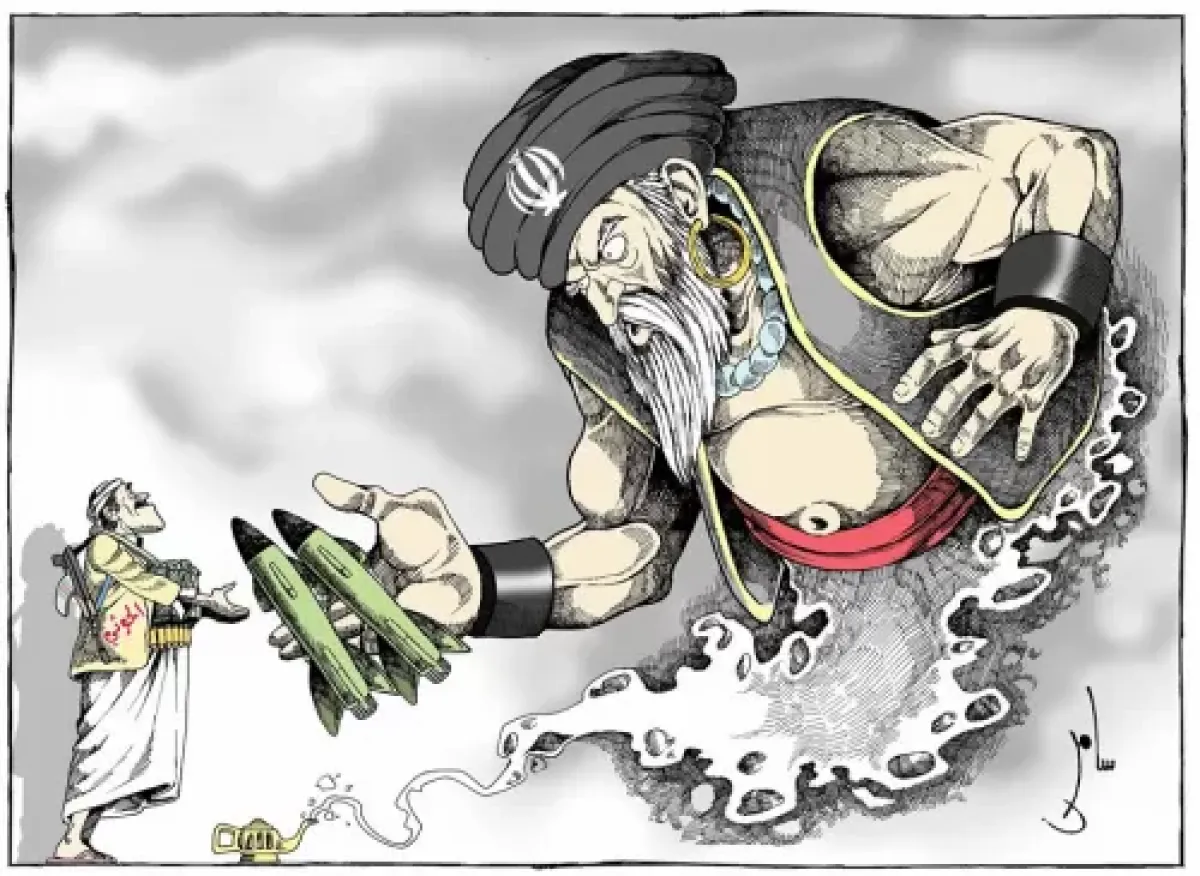
These specialists point out that global oil companies base their decisions on stringent security and stability criteria, including the protection of facilities, transport lines, and export terminals, conditions that remain largely unfulfilled. The government also faces the challenge of the Houthis leveraging the oil sector as a political and economic pressure tool, linking any resumption of exports to agreements on revenue distribution, following their prior disruption of exports.
Analysts contend that this policy has turned Yemen's oil wealth into a hostage of the conflict, costing the state billions of dollars that could have alleviated the humanitarian crisis, improved essential services, and supported currency stability. Ongoing military threats also increase insurance and maritime shipping costs, limiting the government's ability to attract international companies even with promising investment opportunities.
Despite Yemen possessing 13 promising oil and gas basins, only two are currently exploited, with exploration activities significantly reduced due to the war and the departure of foreign firms. In the gas sector, the Yemen LNG company has confirmed its technical readiness for liquefied natural gas export resumption, with maintenance activities continuing. However, activity remains contingent on improved security and genuine investor guarantees.
While the government places its hopes on the oil sector's revival as a crucial economic catalyst, the reality on the ground indicates a long path ahead. Restoring production and exports requires not only reactivating fields and facilities but also addressing the root causes of the security and political crisis that has made the nation's primary economic resource vulnerable to targeting and extortion. In the absence of a clear settlement guaranteeing the protection of oil facilities and preventing further attacks on export terminals, the government's efforts, though necessary, are insufficient alone to lift Yemen's economy from its deepening crisis, unless accompanied by robust security guarantees and measures to halt the weaponization of national wealth in the ongoing conflict.