A Filipino domestic worker, identified only as Maria, has fallen victim to a sophisticated AI-powered romance scam, losing a year's worth of savings after believing she was in a relationship with Dubai's Crown Prince Hamdan bin Mohammed. The fraudsters utilized deepfake technology to impersonate the royal, highlighting a growing trend of online scams orchestrated by crime syndicates, notably from Nigeria.
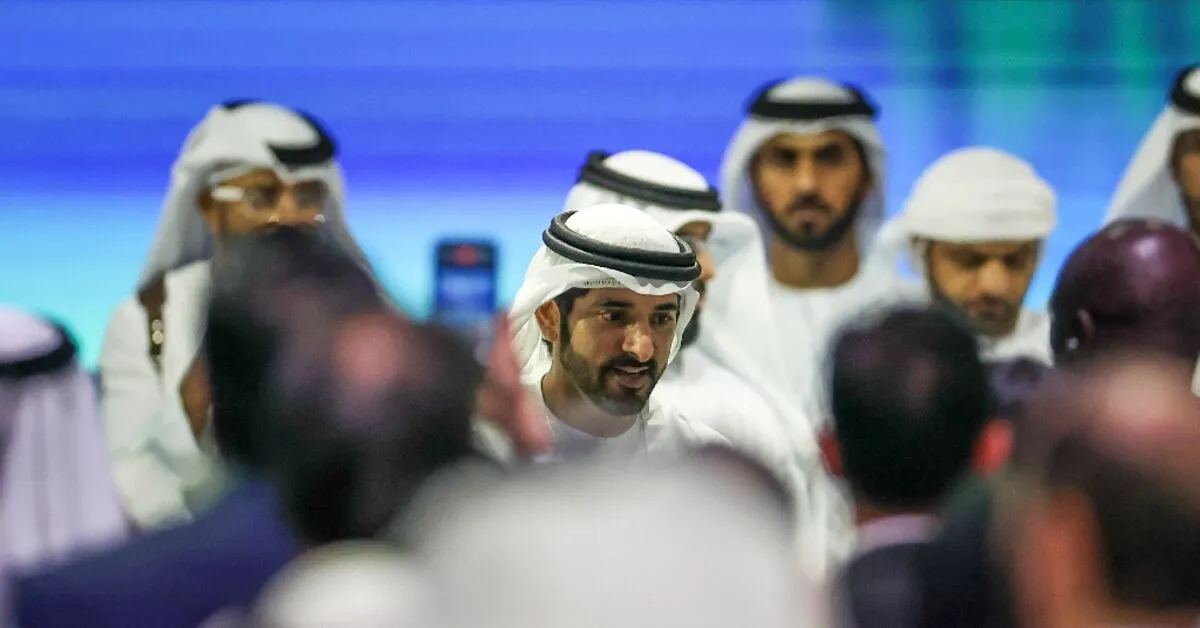
Maria initially connected with the scammer on a dating site, with conversations quickly escalating to a messaging app. The imposter, appearing as Prince Hamdan (also known by his pen name Fazza) during live video calls, showered her with affection and romantic declarations. In one recorded video call, the deepfake, while matching lip movements, spoke with a voice that did not belong to the prince, stating, "Hello beloved, I really appreciate your love and support."
Manipulated by the scammer, Maria transferred 100,000 pesos (approximately $1,625) for a purported marriage certificate and a "royal membership card" intended to facilitate her employment in Dubai. Suspicion arose when the scammer requested an additional 60,000 pesos ($974) for a hotel booking for their supposed meeting. Further investigation revealed the scammer's Facebook profile was linked to Nigeria, prompting Maria to sever contact and send a final accusatory message.
This incident is part of a wider pattern of "fake Dubai prince" scams, where perpetrators leverage the extensive online presence of Sheikh Hamdan, including his social media following, to deceive individuals. Scammers create fraudulent social media groups, posting manipulated images and messages, such as the prince appearing to propose or offering a rose, to lure victims into private chats where they solicit money under false pretenses.
While some online users have attempted to warn others about these scams, many are enticed by the posts, responding with affectionate emojis. Awareness initiatives, including an Instagram page named "Do not fall for fake prince" and a change.org petition, have emerged to combat this fraud. These efforts aim to alert the public and implore Sheikh Hamdan's staff to raise awareness regarding impersonations that demand significant financial contributions through forged documents and often involve international bank transfers or cryptocurrency to obscure the trail.
Authorities in Dubai did not provide comment when approached by AFP. The exploitation of public figures' identities by scammers is not unique, as evidenced by a case in France involving fraudsters impersonating actor Brad Pitt. Globally, the Global Anti-Scam Alliance estimates that consumers lost $442 billion to scams last year. The specific AI tools used in Maria's case remain unclear, but the rapid advancement of AI-powered face-swapping and motion-control technology raises concerns about the increasing difficulty in distinguishing real from fabricated video communications, a trend predicted to worsen as the technology improves.