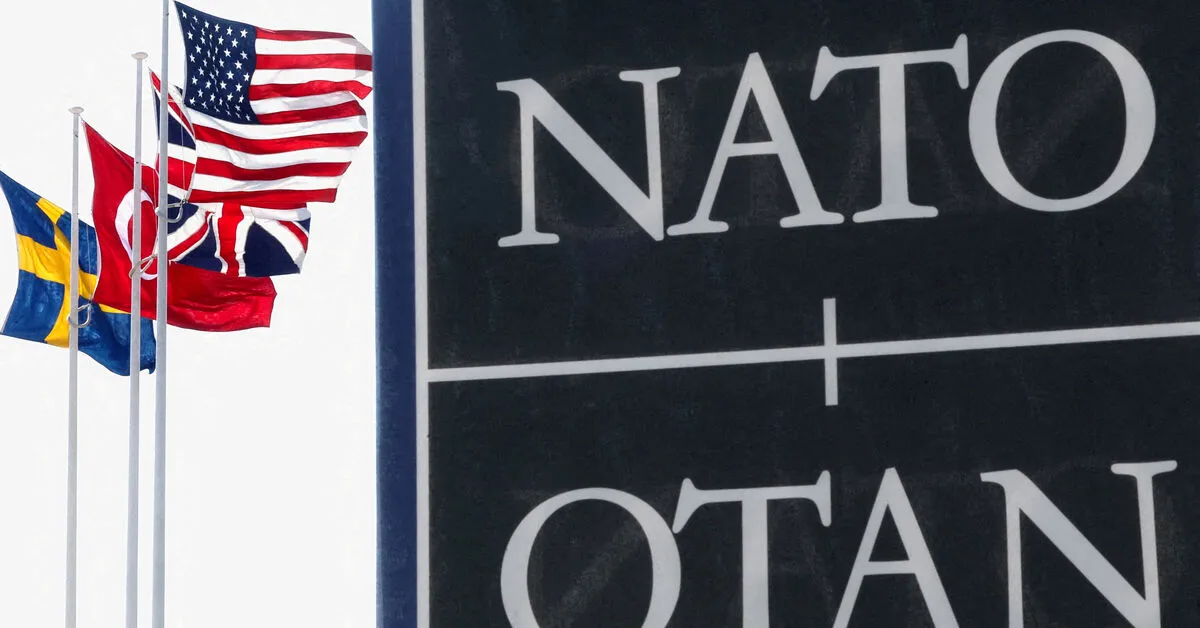
NATO leaders converging for their July 7-8 summit in Ankara will confront a complex array of challenges, including Europe assuming greater security responsibility, enhancing defense industrial output, and navigating U.S. commitment to the alliance. While the Iran conflict presents a potential distraction, officials aim to maintain focus on NATO's core mission of defense and deterrence.
A primary objective for NATO officials is preserving alliance unity and ensuring the United States remains steadfast in its commitment to Article 5, the collective defense clause. Recent events have strained transatlantic relations, notably U.S. President Donald Trump's demands regarding Greenland and his criticisms of allies' responses to the Iran conflict. Trump's past characterization of NATO as a "paper tiger" and his consideration of withdrawal have necessitated diplomatic efforts by Secretary-General Mark Rutte to assuage concerns and underscore European allies' contributions.
The U.S. administration has urged European governments to take primary responsibility for the continent's conventional defense, aligning with Washington's strategic pivot toward the Indo-Pacific. This shift is already manifest in reduced U.S. military capabilities allocated to NATO in crises, with European members stepping in to fill the resulting gaps. U.S. Defense Secretary Pete Hegseth's review of troop deployments in Europe and threats to withhold funding from "free-riding" allies failing to meet defense spending commitments underscore this pressure.
European nations and Canada face significant pressure to increase defense investment, both to bolster deterrence against Russia and to demonstrate responsiveness to U.S. demands for burden-sharing. Following the Hague summit, allies committed to a goal of spending 5% of GDP on defense within a decade, with 3.5% allocated to core defense capabilities and 1.5% to related measures. While NATO's European allies and Canada saw a 20% real-terms increase in defense spending in 2025, not all nations are on track to meet these targets, and some face political obstacles to increased military expenditure.
A significant hurdle for the alliance lies in translating increased defense investment into tangible new military capabilities swiftly. Despite anticipated billions in new contracts to be announced in Ankara, officials express frustration over the slow pace of production and extended delivery times for certain military equipment. NATO leadership is urging the defense industry to enhance collaboration, expand production lines, and expedite deliveries.
The Ankara summit is expected to reaffirm Russia as a persistent threat to Euro-Atlantic security. Although Russian economic challenges and Ukraine's strengthened defense capabilities are acknowledged, Secretary-General Rutte cautioned against complacency, noting Russia's substantial allocation of its state budget to defense. The ongoing support for Ukraine, financed through bilateral aid, EU loans, and specific initiatives like the Prioritised Ukraine Requirements List, continues to be a critical focus. However, sustaining the current high levels of financial and military assistance presents a challenge amid competing national budget priorities and concerns about equitable burden-sharing among allies.