International aviation arrangements that have transferred some air traffic control responsibilities for Yemeni airspace to Oman's air traffic control center have sparked significant controversy, particularly in light of direct Iranian flights to Houthi-controlled Sanaa. Analysts suggest this shift provides Tehran with an additional avenue to reach the Houthi group, raising questions about Muscat's role in this sensitive matter.
International NOTAM (Notice to Airmen) system data reveals a partial and temporary delegation of air navigation services within the Sanaa Flight Information Region (FIR) to the air traffic control center in Muscat. While officially termed a technical and operational measure, its timing alongside rapid geopolitical developments has led to interpretations extending beyond technicalities to implications for Yemeni sovereignty and airspace security.
According to NOTAM A0041/25, issued on December 31, 2025, air traffic services, flight information services, and alerting services for sections of airways L425 and N315 have been delegated to the Muscat ATC center until the end of December 2026. This development underscores a continued lack of international confidence in the ability of Houthi-controlled entities to manage airspace according to international safety standards.
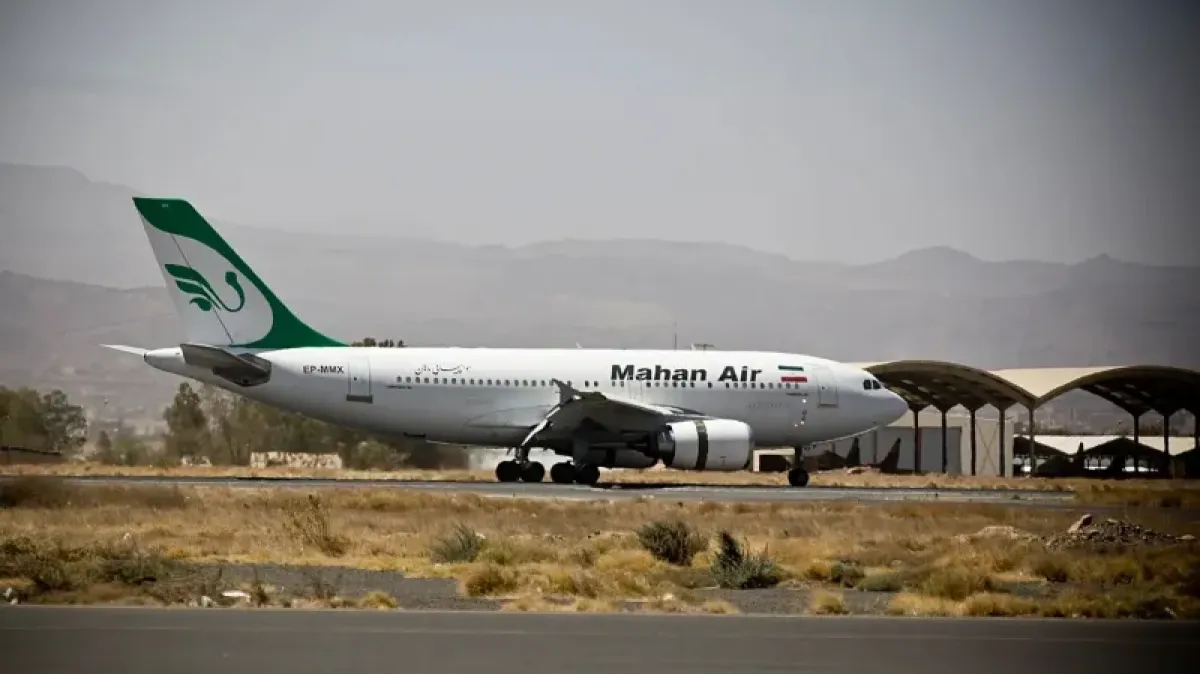
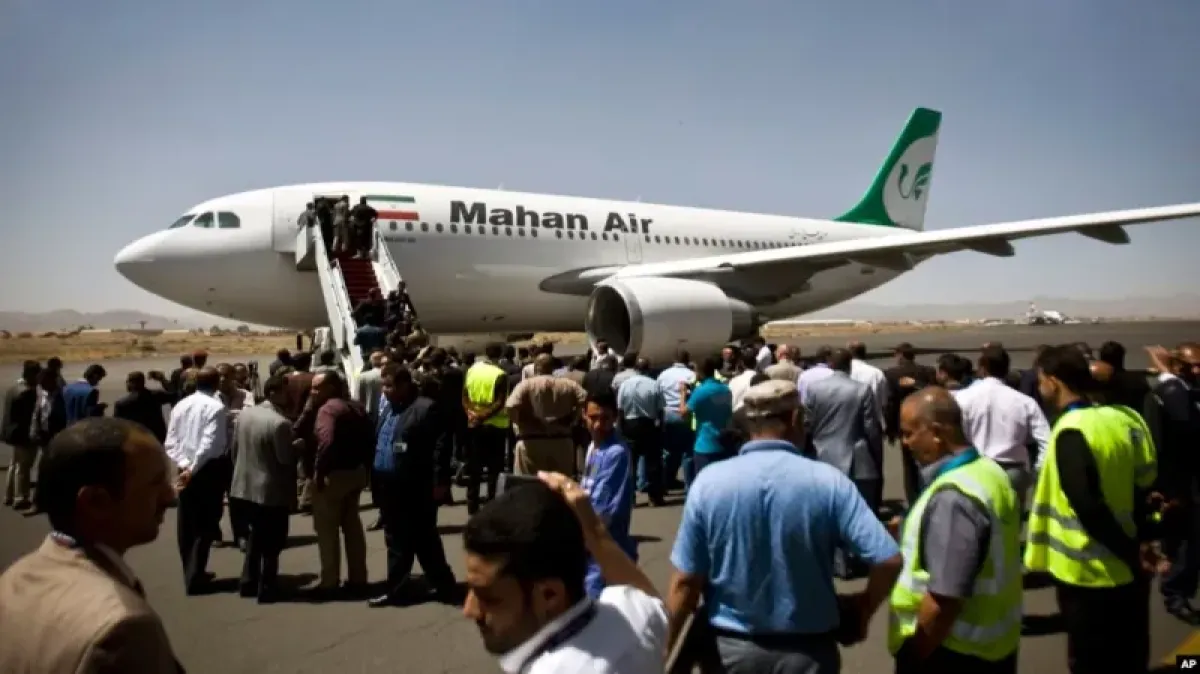
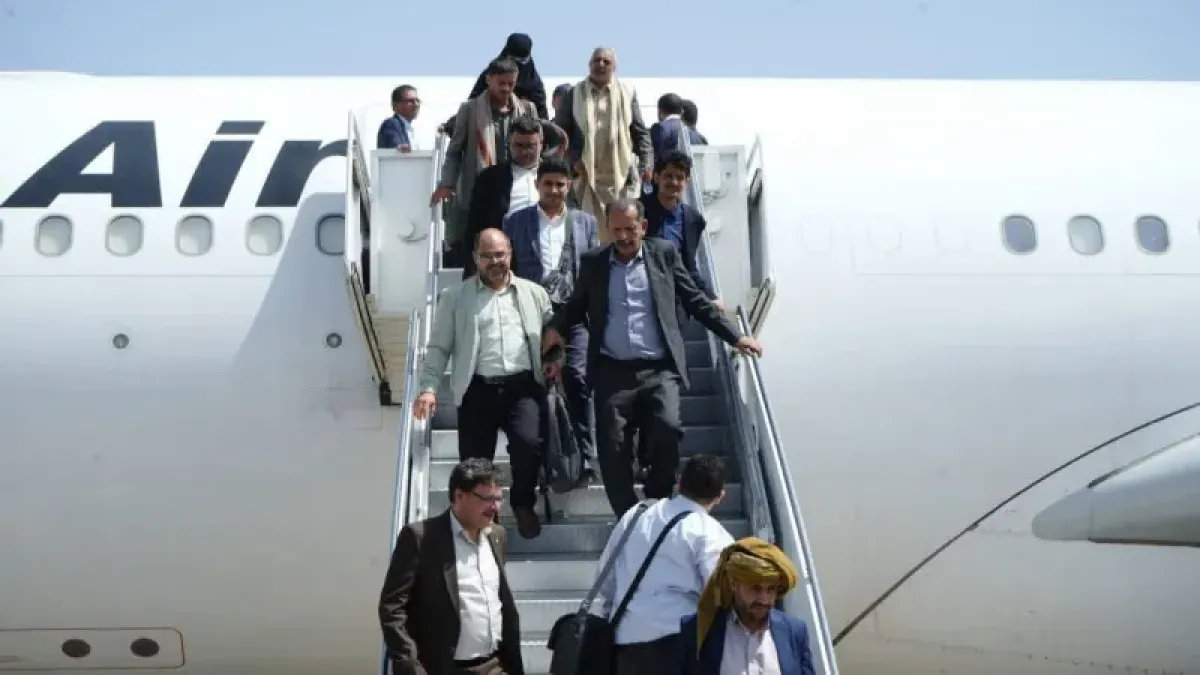
The situation is further complicated by the recent arrival of the first civilian flight from Iran's Mahan Air at Sanaa International Airport. Yemeni concerns are mounting that the resumption of these flights could serve as a new conduit for transferring experts, equipment, and technology with potential military applications to Houthi-controlled areas, echoing similar concerns from 2015 when direct flights between Tehran and Sanaa were reportedly used to ferry Iranian Revolutionary Guard Corps (IRGC) personnel.
These developments coincide with ongoing international warnings regarding flights through Yemeni airspace. The European Union Aviation Safety Agency (EASA) has extended its advisories for the Sanaa FIR until October 31, 2026, classifying Yemeni airspace as high-risk. Consequently, several civil aviation authorities have issued directives to their airlines to avoid transiting Yemeni airspace and to conduct independent risk assessments.
Aviation specialists view the continuation of this scenario as indicative of the complexities introduced by Houthi control over civil aviation infrastructure. They emphasize the necessity of reunifying the management of Yemeni airspace under the internationally recognized Yemeni government to safeguard national sovereignty, enhance air navigation efficiency, and prevent the exploitation of air corridors for activities that raise security or regional concerns.