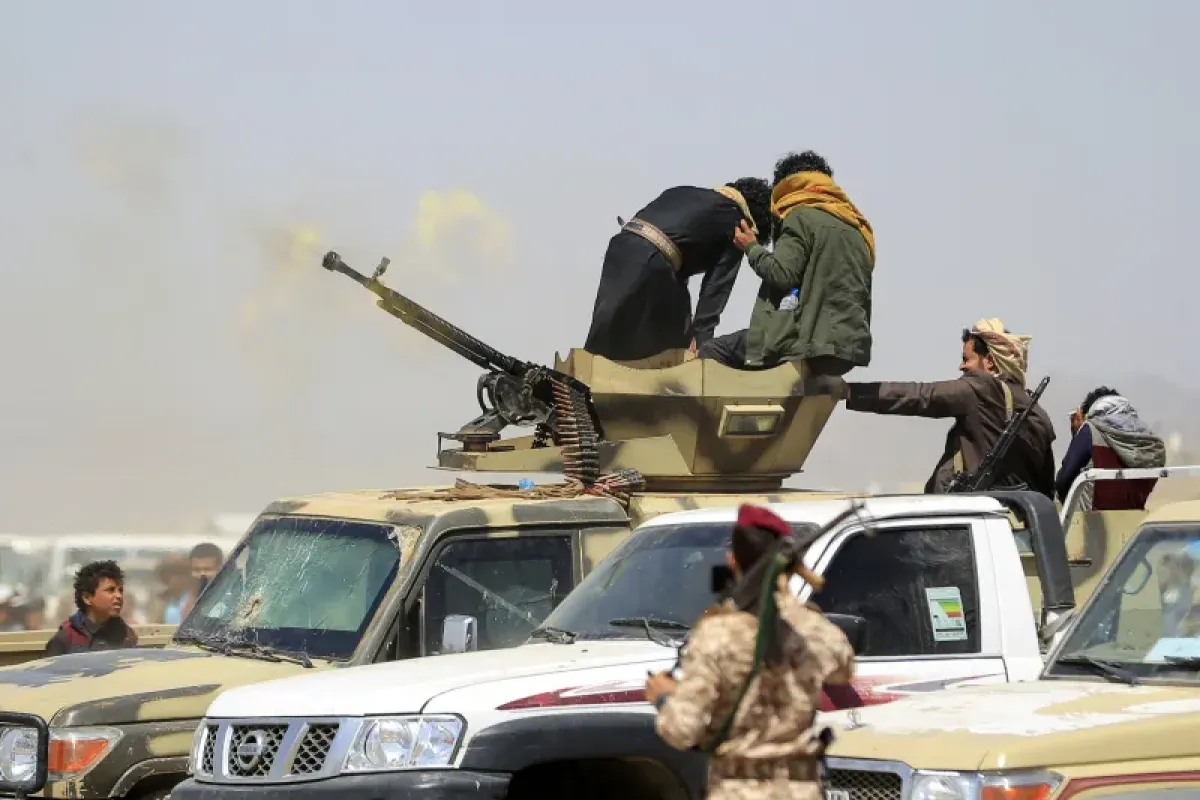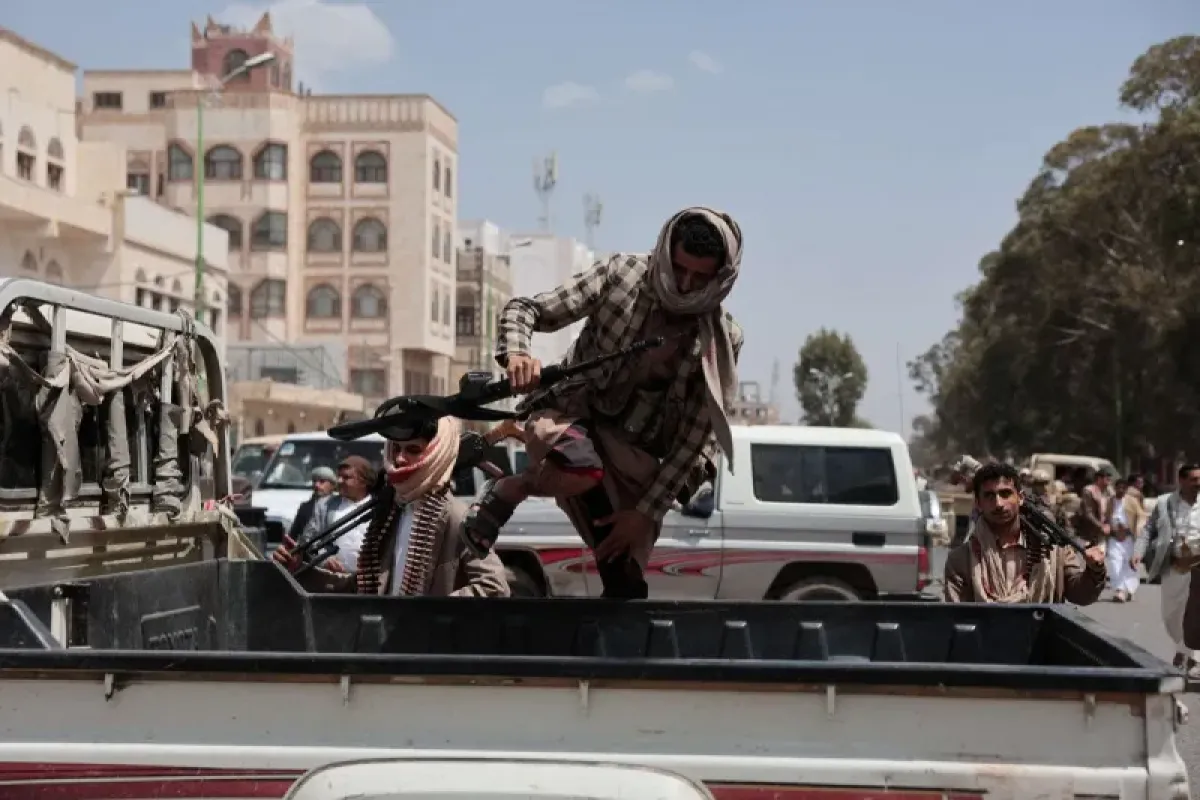
Recent statements and actions by the Houthi militia reveal a significant contradiction between their declared political stance and their on-the-ground conduct. While professing acceptance of a peace roadmap, the group is simultaneously intensifying military operations across multiple fronts and issuing direct threats against Saudi Arabia. Analysts view this as a continuation of their long-standing strategy of "escalation for negotiation."
On Sunday, the Houthi-controlled "Ministry of Foreign Affairs" in the internationally unrecognized government announced its approval of a peace roadmap aimed at ending the Yemeni crisis, a plan developed under Omani mediation. The ministry claimed it had previously confirmed its agreement and refuted reports from the Saudi-led coalition regarding its rejection or obstruction of the roadmap.
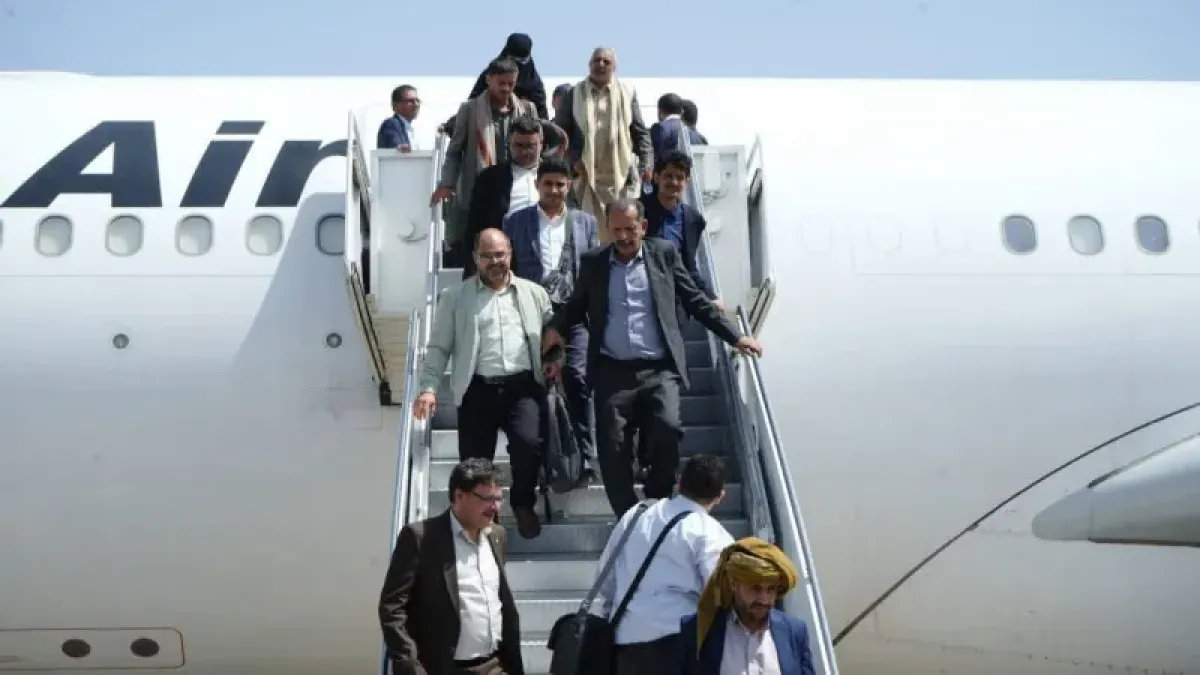
However, the same Houthi statement included threats to target Saudi economic and oil facilities, urging its leadership to "look at Aramco, Yanbu, ports, the financial market, and Vision 2030." Observers interpreted this as an escalating message that contradicts any commitment to peace, particularly when linked to the issue of flights to Sana'a airport.
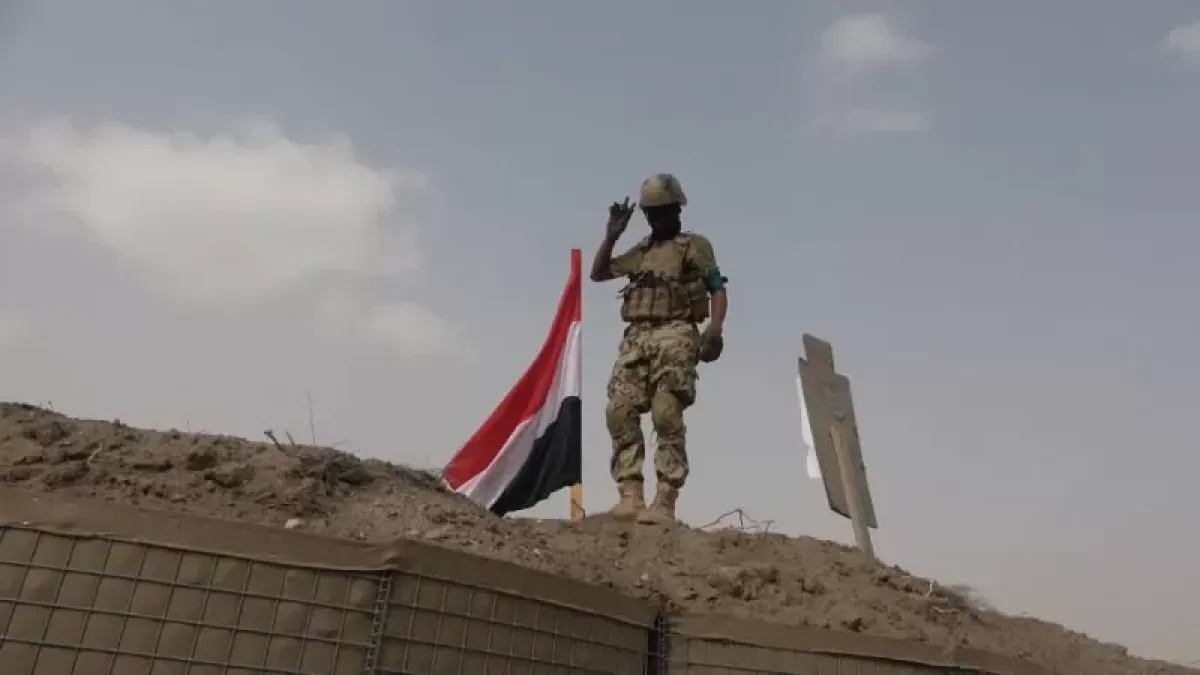
This inconsistency extends beyond political rhetoric to the battlefield. In recent days, the militia has significantly increased its attacks and infiltration attempts against joint forces on the West Coast, marking one of the most substantial escalations in months. This surge occurred concurrently with their stated readiness to advance the peace roadmap.
These military activities coincided with statements from Houthi leaders in Tehran, threatening a return to war and targeting Saudi interior regions. This reinforces the perception that the decision to escalate is intrinsically linked to the political and military messages the group aims to convey alongside its diplomatic maneuvers.
This approach is not novel; the Houthi group has historically used military escalation and threats whenever peace efforts reached critical stages, seeking to elevate their demands and improve their negotiating position. This tactic has previously led to the stalling of numerous agreements and initiatives.
Analysts suggest that the current announcement of approval for the peace roadmap may not signify a genuine shift in the group's position. Instead, it could be an attempt to present themselves as open to peace to regional and international mediators, while retaining military pressure and security threats as bargaining tools.
Observers also link this escalation and hardline rhetoric to increasing internal pressures faced by the group within their controlled areas. These pressures stem from a worsening economic crisis, widespread poverty and hunger, growing public discontent, and emerging tribal opposition in several governorates. This situation may be driving the Houthis to externalize their crises and revive confrontational rhetoric to consolidate their base and divert attention from domestic issues.
Analysts assert that the continued combination of peace discourse, threats against vital facilities, and battlefield escalations raises questions about the group's genuine commitment to engaging in a comprehensive political process. It fuels concerns that the roadmap could become another tool for political bargaining rather than a genuine framework for conflict resolution.
This development follows days after warnings from the Saudi-led coalition, which reported indications of Houthi preparations for escalation. The coalition holds the group responsible for obstructing peace efforts and reneging on previous commitments. Analysts believe that testing the sincerity of any political path will depend not on statements, but on halting military attacks, ceasing regional threats, and demonstrating a practical commitment to confidence-building measures—actions that the Houthi group has yet to exhibit.