Citizens in liberated provinces are facing unprecedented service and economic crises, characterized by prolonged electricity outages, scarcity of domestic gas, and escalating prices for fuel, food, and essential goods. These mounting hardships are exacerbated by delayed salary payments, reflecting a worsening cost of living and a failure by authorities to implement sustainable solutions.
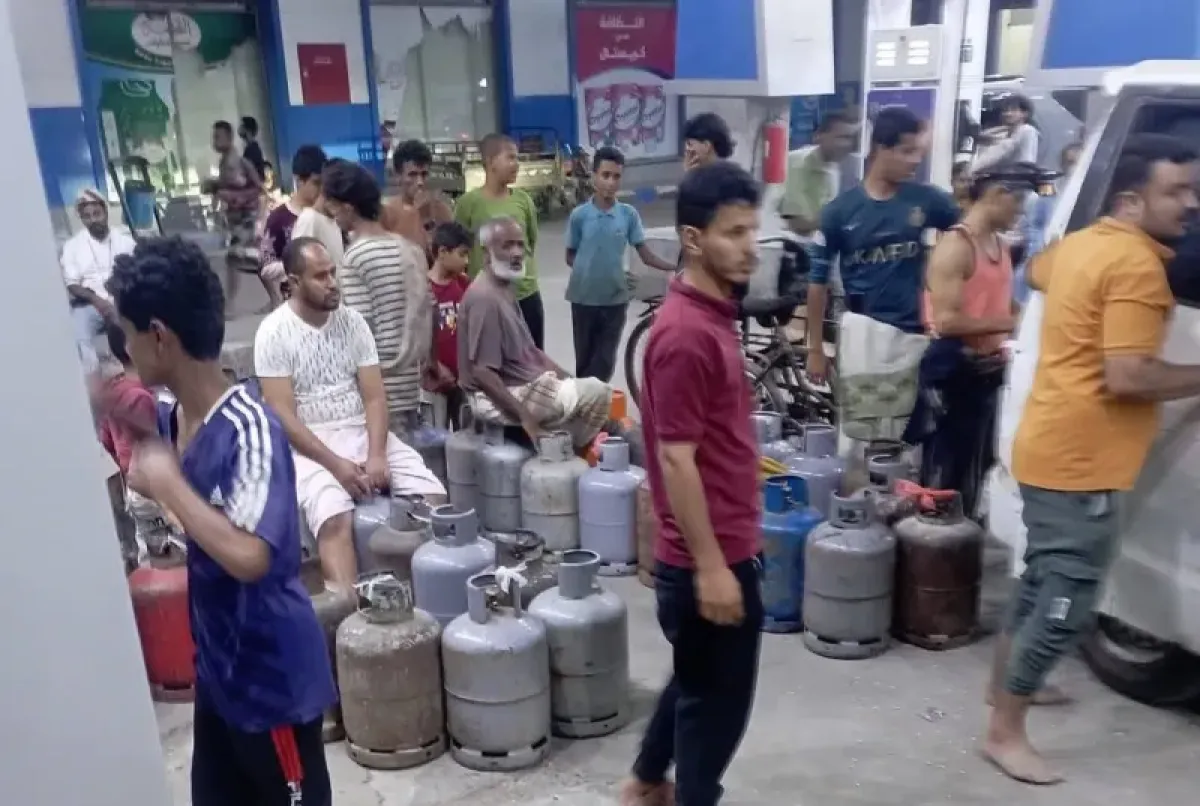
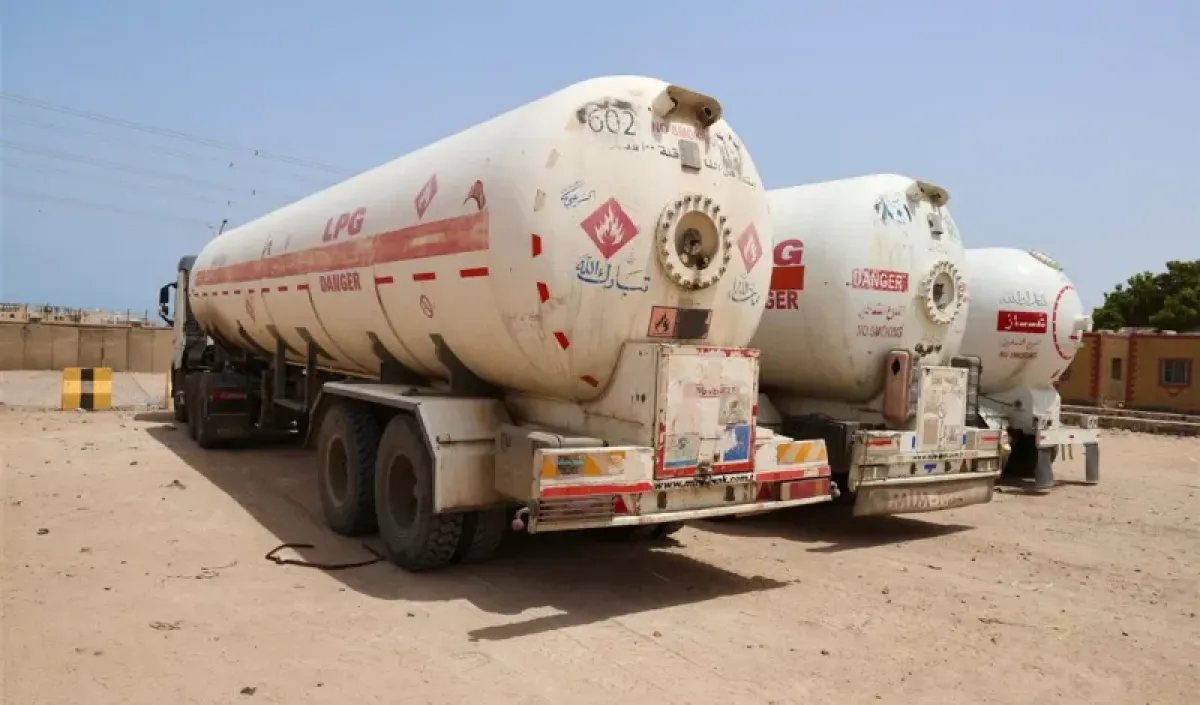
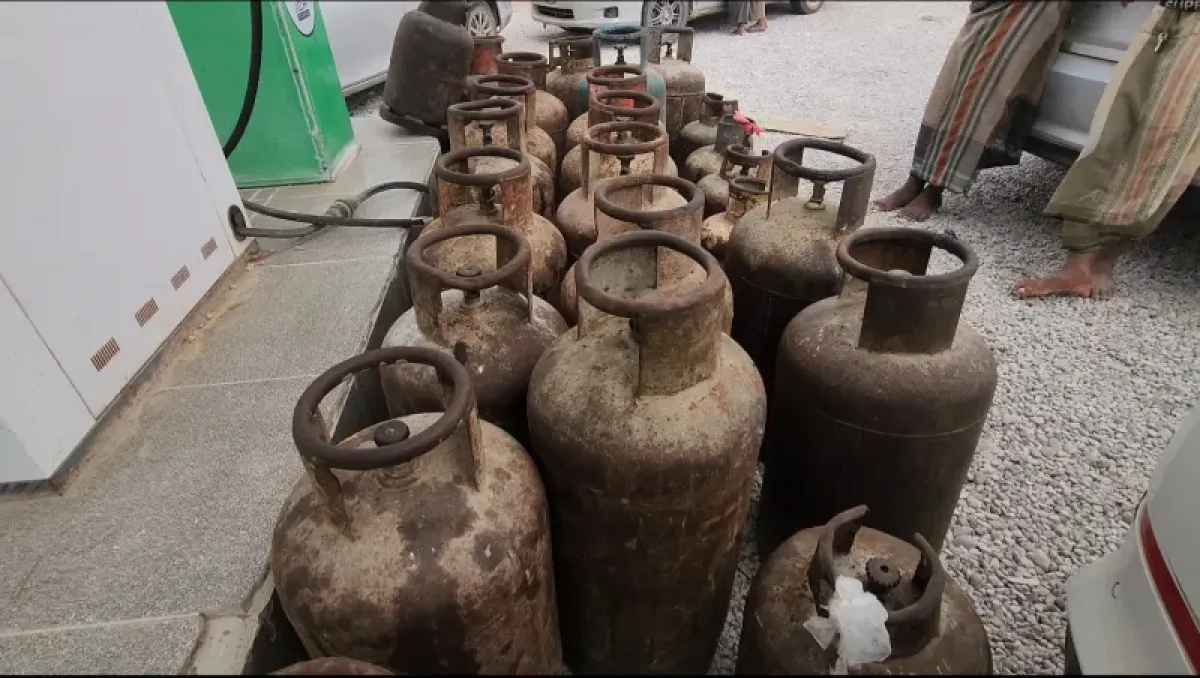
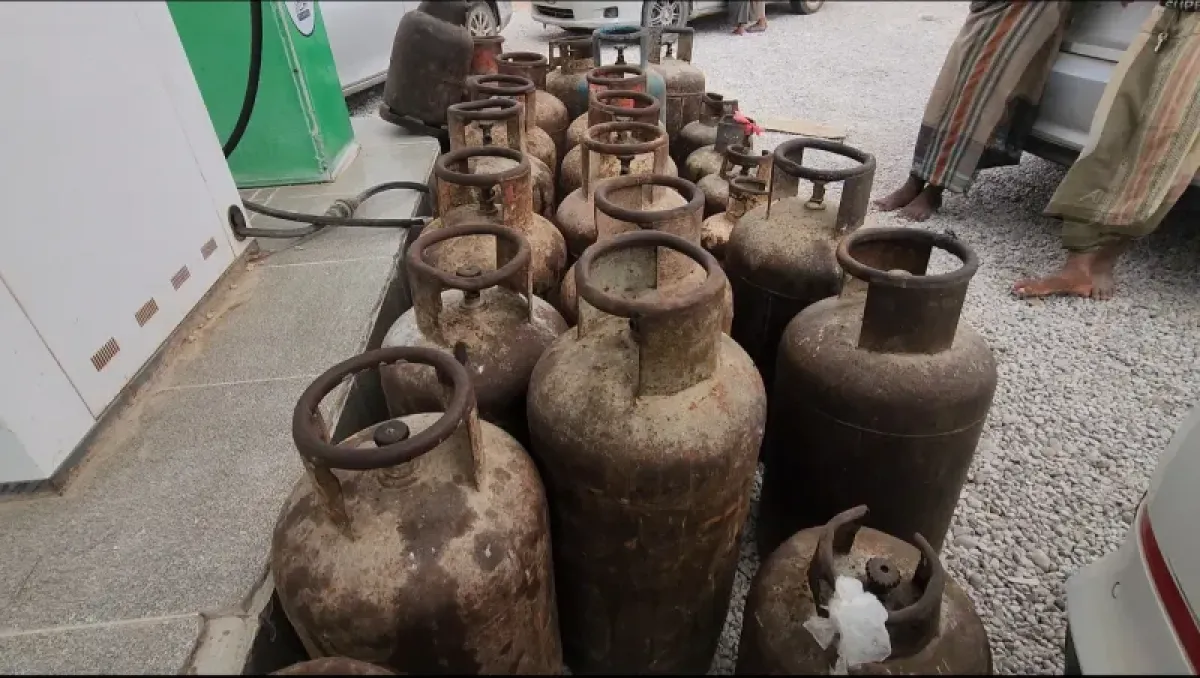
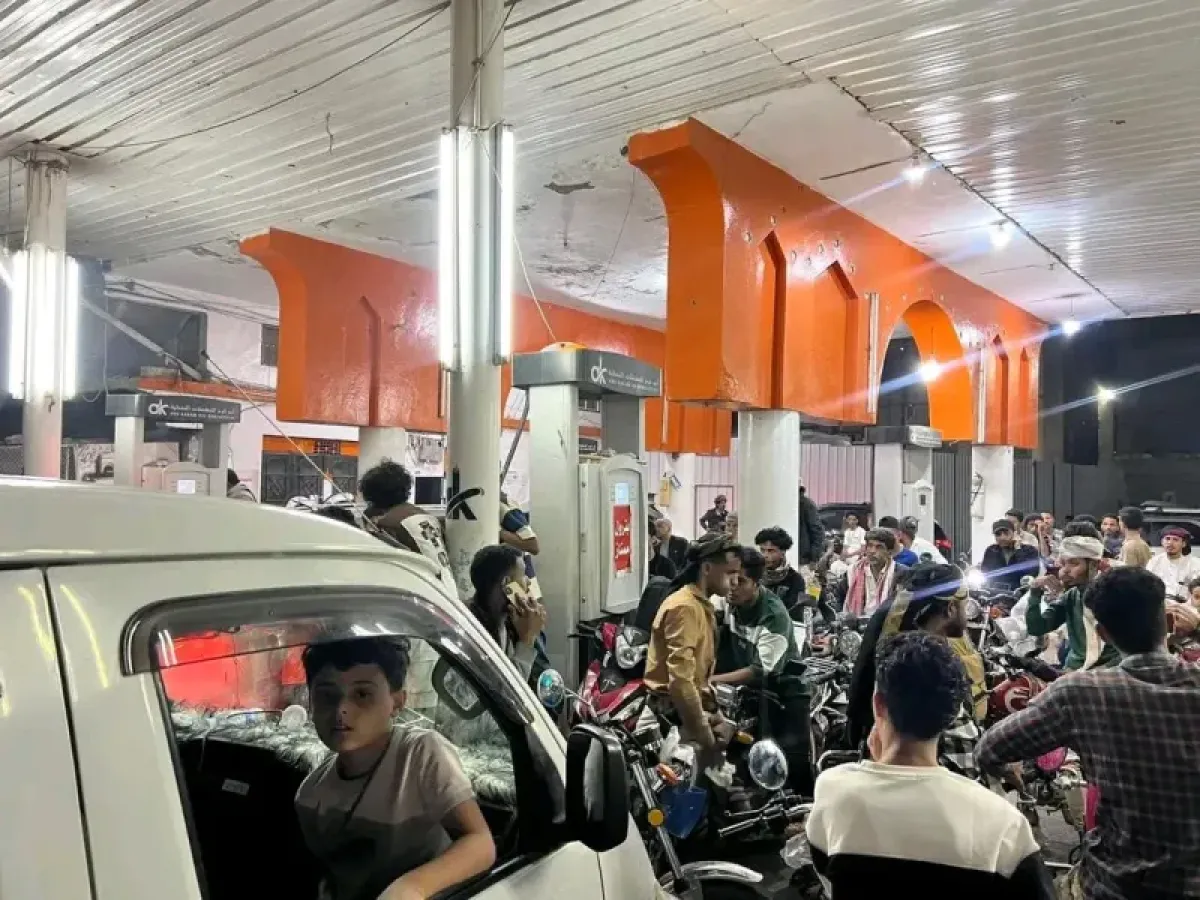
The domestic gas crisis has resurfaced with full force in the capital, Aden, and other liberated governorates, including Hadhramaut and Taiz. Gas filling stations in these areas are witnessing long queues of citizens and vehicles attempting to secure gas cylinders, amid a severe shortage of available supply. Activists and journalists have shared images and videos depicting extensive lines of cars and gas cylinders stretching through streets, with local sources reporting that several distribution stations closed before midday due to depleted stocks. Consequently, many residents returned home without their necessities after enduring hours of waiting in high temperatures.
Residents of Aden are calling on the Ministry of Oil and Minerals, the Yemen Gas Company, and local authorities to intervene immediately by ensuring sufficient gas supplies, enhancing oversight of distribution, and prosecuting those involved in hoarding and manipulation. They warn that the continuation of this crisis will intensify the suffering of families already grappling with severe economic difficulties.
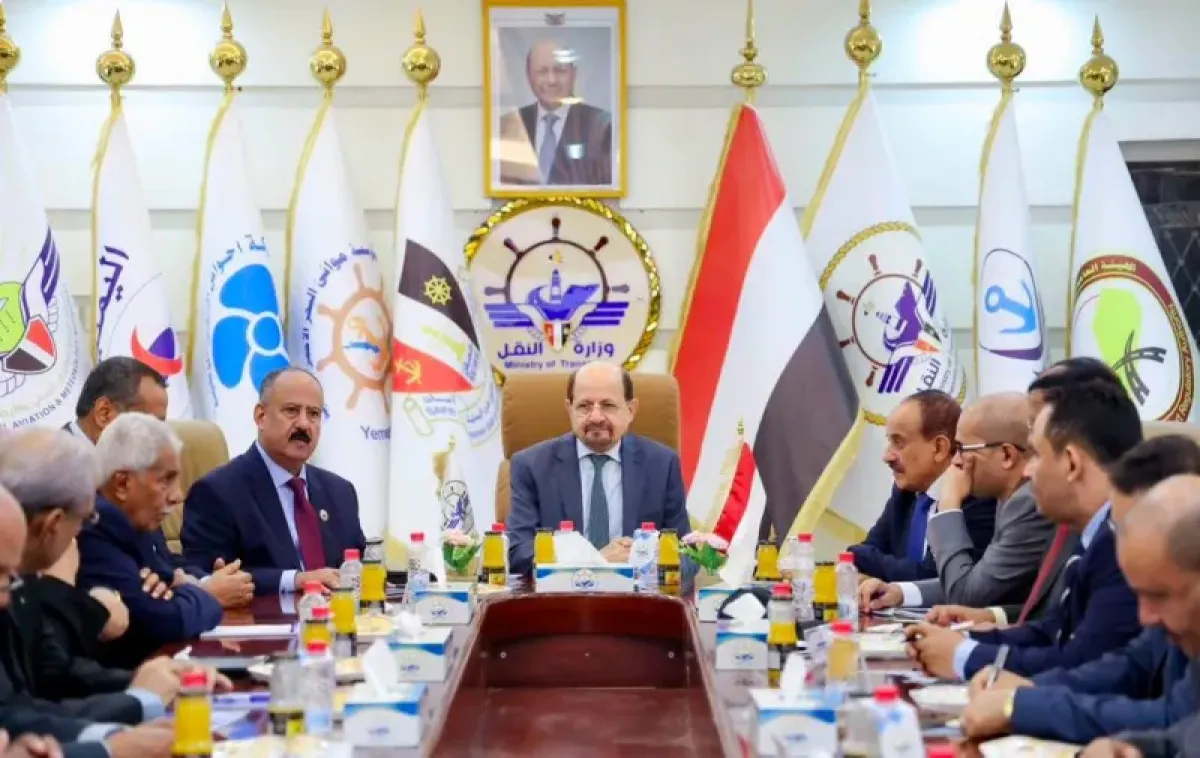
The hardships extend beyond the gas shortage, as liberated provinces have experienced a sharp decline in essential services, particularly electricity, for months. Some cities are enduring record-long power outage durations, coinciding with rising temperatures, which further burdens residents and negatively impacts economic and service activities. In Hadhramaut, public discontent has grown over the deteriorating electricity service. Community and youth leaders in Mukalla convened a meeting to discuss the governorate's overall situation, questioning the persistent decline in services despite the region's significant oil, mineral, and marine resources.
The meeting produced several demands, including the urgent improvement of electricity services, reduction of prices for locally produced petroleum products to align with the governorate's potential, enhancement of citizens' living conditions, and the formation of a coordination committee to monitor field and service conditions. This situation unfolds as a wave of price hikes for food and essential goods continues, driven by the ongoing depreciation of the national currency and increased transportation and energy costs. These factors have eroded citizens' purchasing power, particularly with the persistent delays in salary payments for thousands of government employees.
Observers note that the convergence of these crises signifies a lack of integrated economic and service strategies to address the challenges in the liberated provinces. Citizens are confronted with a continuous cycle of daily burdens, starting with power outages, compounded by fuel and gas shortages, escalating prices, delayed salaries, and a decline in basic services. Economists caution that the perpetuation of this deterioration without urgent interventions could trigger widespread public protests, fueled by growing dissatisfaction with governmental performance and a widening gap between available resources and the quality of services provided. Citizens demand tangible measures to restore economic stability and improve essential services, moving beyond temporary solutions that have thus far failed to contain the recurring crises.