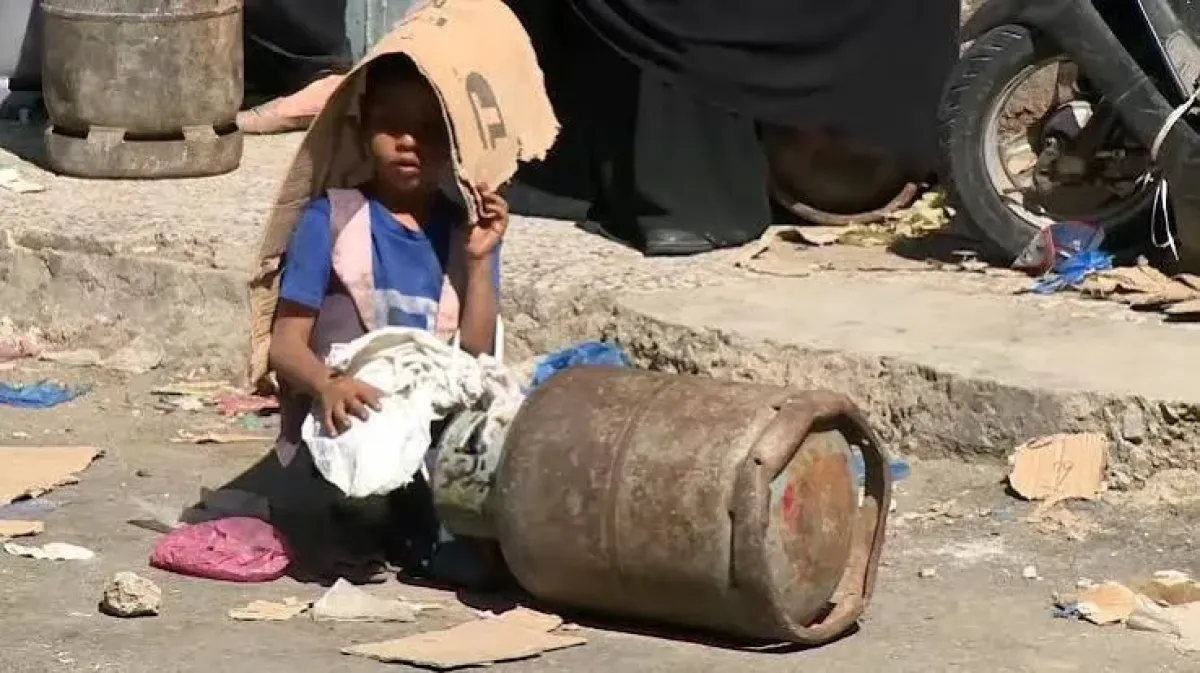
Residents of Taiz are once again facing severe gas shortages, with long queues forming at distribution points, exacerbating a chronic crisis marked by persistent allegations of corruption and mismanagement.
The recurring crisis has crippled daily life, forcing citizens to spend hours searching for cooking gas. University professor Dr. Tamer Al-Ashari's experience of searching for a gas cylinder instead of focusing on his academic work highlights the widespread impact on the productivity and time of Taiz's educated population.
Most gas filling stations and authorized distributors have ceased sales due to a lack of supply, leaving a significant portion of the population unable to obtain essential cooking fuel. While some distributors cite delayed shipments and promise resumed service, citizens have grown accustomed to these cyclical justifications that fail to resolve their plight.
The shortage extends beyond household use, severely affecting the transportation sector. Hundreds of vehicles, including cars and buses, are queuing for hours at the few operational stations, causing traffic congestion and partial paralysis in the city's transport network. Consequently, transport fares have increased, adding further economic strain on residents already grappling with inflation.
Informed sources suggest that the quantities of gas allocated to Taiz from the Safer facility are insufficient to meet the province's basic needs. The local market requires approximately five tanker trucks daily, but significantly less is arriving, creating a widening gap between supply and demand.
Activists and energy sector observers argue that the crisis is not solely due to supply shortfalls but also stems from poor administration. They are demanding that the local authority clarify the allocated gas quotas for Taiz and the distribution mechanisms, especially given the recurring nature of the problem. A lack of transparency fuels rumors and distrust regarding the fate of allocated quantities, eroding public confidence in responsible authorities.
Amidst the ongoing crisis, activists and local sources have leveled accusations of manipulation regarding Taiz's gas allocations. Allegations suggest that portions of these supplies are being diverted to the black market or smuggled to areas controlled by Houthi militias. Calls for a transparent investigation to uncover the destiny of the province's gas quotas and hold those responsible accountable are growing.
Observers note that the continuation of these accusations without official responses or clear oversight mechanisms deepens suspicions and suggests systemic failures beyond mere supply shortages. Criticisms are mounting against the local administration in Taiz for its failure to implement practical solutions, with citizens feeling that authorities are merely offering repeated promises rather than sustainable resolutions.
Activist Sukoon Al-Absi expressed widespread public discontent, stating, "The gas crisis continues to suffocate all the people of Taiz province, caused by the quota mafia and the corruption lobby in a nation rich in oil resources." Activists are advocating for a review of the gas distribution system, stricter oversight of stations and distributors, and regular public reports detailing incoming quantities and distribution methods to prevent monopolization and black market activities.
The gas crisis in Taiz is increasingly viewed not just as a logistical issue but as an indicator of failed management of essential services, characterized by a lack of sustainable solutions and ongoing disputes over allocations and distribution procedures.