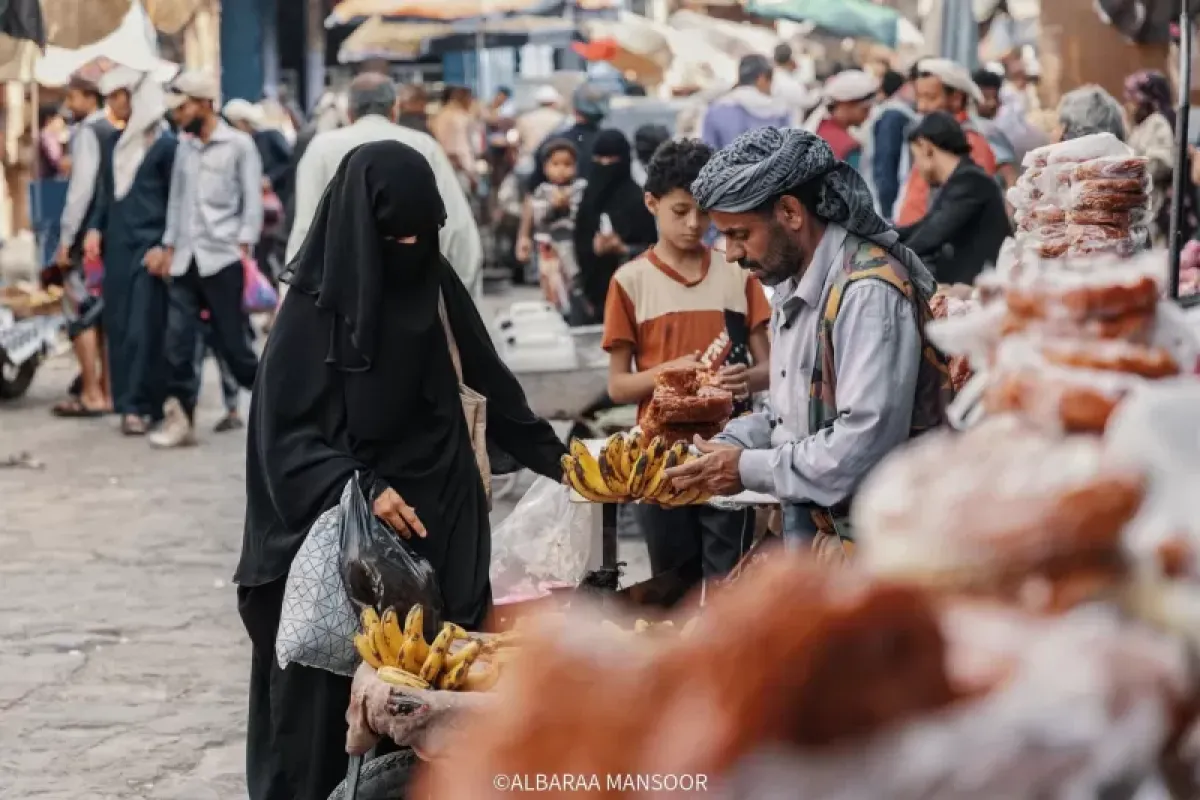
Yemen has been ranked as the second most expensive country for cost of living in the Arab world, and 46th globally for 2026, according to data from the international platform Numbeo. This surprising classification emerges while millions of Yemenis grapple with one of the world's most severe humanitarian and economic crises, raising critical questions about the living conditions in a nation ravaged by war, conflict, and economic fragmentation.
At first glance, this ranking appears contradictory to Yemen's widely perceived status as one of the region's poorest nations, heavily reliant on humanitarian aid. However, a deeper analysis reveals that the high cost of living does not signify an improvement in income levels or quality of life. Instead, it reflects the profound economic imbalances accumulated over years of war, which have placed immense burdens on citizens.
Since the conflict erupted, Yemen's economy has suffered successive blows, leading to a decline in productive activity, damage to infrastructure, a contraction in employment opportunities, and a reduction in investments. The disruption of trade and transportation routes has further exacerbated these issues. Over time, these repercussions have transformed into a suffocating living crisis, pushing millions of Yemenis to the brink of poverty and destitution, while the prices of goods and services continue to rise at a pace far exceeding citizens' ability to cope.
In a country that imports almost all its food, medicine, and consumer goods, domestic markets are highly susceptible to global fluctuations in food, energy, and maritime shipping prices. Every increase in transportation costs or global prices of essential commodities directly impacts Yemeni consumers, who are compelled to pay higher prices despite stagnant or declining incomes. Economists note that the war has not only driven up prices but also weakened citizens' purchasing power due to the depreciation of the local currency in some regions, delayed salary payments in many sectors, and a lack of adequate job opportunities, creating a widening gap between income and the cost of living.
The most alarming aspect of this classification extends beyond mere economic figures to the harsh humanitarian reality it represents. Yemen is enduring a prolonged humanitarian crisis, with millions depending on aid for food, medicine, clean water, and basic services. The decline in international humanitarian funding in recent years has intensified the suffering of the most vulnerable populations, making their resilience against living burdens more fragile than ever. In both urban and rural areas, stories of hardship have become a daily occurrence, with families cutting meals, delaying medical treatment due to high healthcare costs, and fathers struggling to afford educational expenses or basic necessities for their children. For many, the challenge is no longer improving their standard of living but merely maintaining the minimum requirements for a dignified existence.
Furthermore, the deterioration of public services, including electricity, water, health, and education, has imposed additional burdens. Accessing essential services now requires additional expenditure that exceeds the capabilities of a large segment of the population. Instead of alleviating financial pressures, public services often contribute to the high cost borne by citizens. Analysts believe the gravity of Yemen's high cost of living ranking is compounded by declining development indicators, income, and employment opportunities, making the impact of price hikes more severe compared to countries with higher income levels or more effective social protection systems. The rise in prices in Yemen occurs within a fragile economic and humanitarian environment, intensifying the population's suffering and widening the scope of poverty.
These indicators paint a painful picture of the daily reality for millions of Yemenis, a reality marked by war, high prices, declining incomes, and collapsing services—a harsh equation making life more difficult each year. As economic and humanitarian challenges continue to escalate, there remains an urgent need for serious solutions to revitalize the economy, improve services, create employment opportunities, and alleviate the living burdens that have weighed heavily on citizens. Yemen today faces not only a cost of living crisis but an intertwined humanitarian and economic challenge that threatens the lives and futures of millions, making the restoration of economic stability and the improvement of living conditions an urgent necessity that can no longer be postponed.