The World Food Programme (WFP) has stated that policies implemented by the Houthi militia in areas under their control are exacerbating Yemen's humanitarian and economic crisis, warning that restrictions on humanitarian organizations and the private sector are eroding residents' income sources and their ability to cope with deteriorating living conditions.
A WFP report on food security in Yemen indicates that the economic operating environment in Houthi-controlled regions has recently seen an escalation in the imposition of taxes and levies, alongside the confiscation of assets belonging to merchants and investors. These practices have directly impacted economic activity and employment opportunities, weakening citizens' capacity to secure their basic needs.
The report highlights that the economy in these areas faces increasing pressure due to dwindling foreign exchange reserves, liquidity crises, sanctions, and the ramifications of major banks relocating their headquarters to the interim capital, Aden. These factors have introduced further complexities into the financial sector and slowed commercial movement.
According to the WFP report, the economic policies pursued by the Houthi militia towards the private sector have not only weakened investors and merchants but have also translated into increased living pressures and reduced employment and income opportunities for the general population.
The report also notes that damage to Red Sea ports has led to decreased revenues, with economic losses estimated at approximately $1.4 billion. This is particularly critical as the country heavily relies on imports to meet the population's demand for food and essential goods.
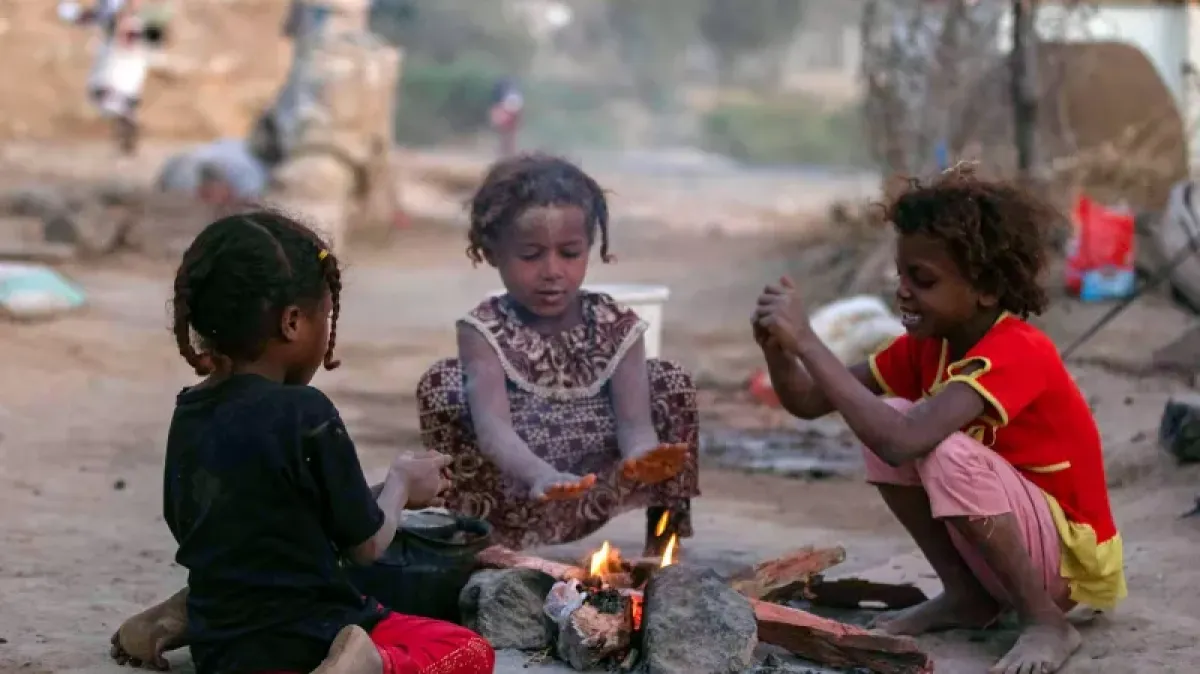
The WFP revealed that approximately 70 percent of residents in Houthi-controlled areas have reported a decrease in their monthly income. This reflects a decline in purchasing power and a widening gap between household needs and financial capabilities. The program attributes this decline to several factors, including the cessation of a significant portion of humanitarian aid and social protection networks, as well as restrictions on the operations of relief organizations and a lack of international funding.
These indicators underscore the impact of policies adopted by the Houthi militia in managing the areas under their control. Observers suggest that transforming the economy into a source for unregulated levies and fees, targeting the private sector, and imposing restrictions on humanitarian organizations have contributed to increased vulnerability in living conditions rather than alleviating the suffering of the population.
As Yemen grapples with one of the world's most severe humanitarian crises, international reports emphasize that continued obstacles to economic activity and humanitarian work threaten further deterioration in food security and increase the dependence of millions of Yemenis on aid in the absence of sustainable economic solutions. The WFP report places additional responsibility on the de facto authorities in Sana'a, calling for the creation of an environment conducive to the operations of humanitarian organizations and the private sector, and an end to measures that hinder aid delivery and deprive citizens of their livelihoods.