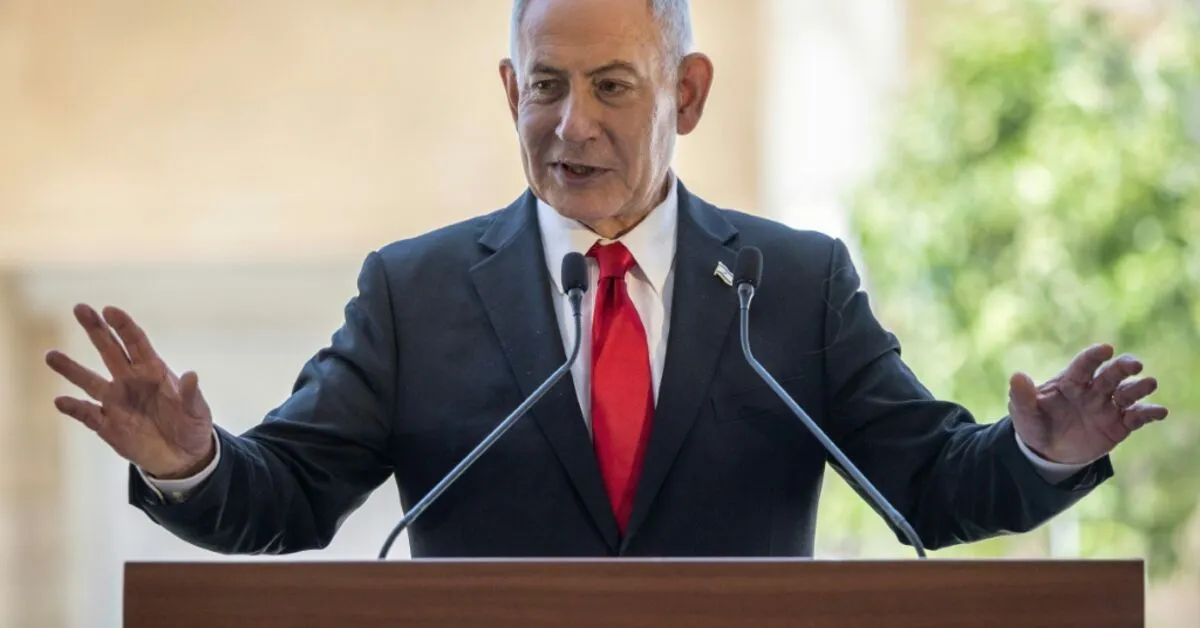
Prime Minister Benjamin Netanyahu's government is engaged in a legislative sprint to pass several key bills before the Knesset dissolves in the coming days, just four months ahead of national elections. These legislative efforts have drawn sharp criticism from opposition parties, who accuse the government of prioritizing coalition survival over national interests.
Seven pieces of legislation are currently on the Knesset's agenda, each representing a priority for parties within Netanyahu's ruling coalition. By securing passage of these bills, Netanyahu aims to strengthen his alliances and enter the late October election from a position of political advantage, despite opinion polls suggesting potential electoral challenges.
Among the most contentious proposals is a bill concerning exemptions from mandatory military service for students of religious studies, a long-standing demand of ultra-Orthodox parties. This legislation, which has faced significant public opposition and protests, frames prolonged religious study as a form of "meaningful service for the benefit of the State and the Jewish people." Critics, including former military chief Gadi Eisenkot, argue that the government is exploiting its final days to pass laws detrimental to the army and that would be impossible to enact if his party forms the next government.
In exchange for support on the military exemption bill, ultra-Orthodox parties are expected to back legislation proposed by Netanyahu's Likud party, including a reform of the broadcasting sector. Supporters claim this reform will foster market competition, but opponents contend it is an attempt to exert political control over the media and undermine journalistic independence.
Other bills under consideration include a reform to the status of the state attorney general, which critics argue would weaken an independent check on government power, and a repeal of a previous reform that opened the kosher certification sector to competition, which is seen by some as a move to protect the interests of religious institutions.
While additional bills are being debated, significant disagreements, even within the governing coalition, complicate the passage of all measures before the legislative term concludes. The Knesset is scheduled to dissolve automatically on July 15, with elections set for no later than October 27. However, lawmakers have the option to extend the session by up to 12 days to facilitate the completion of ongoing legislative proceedings.