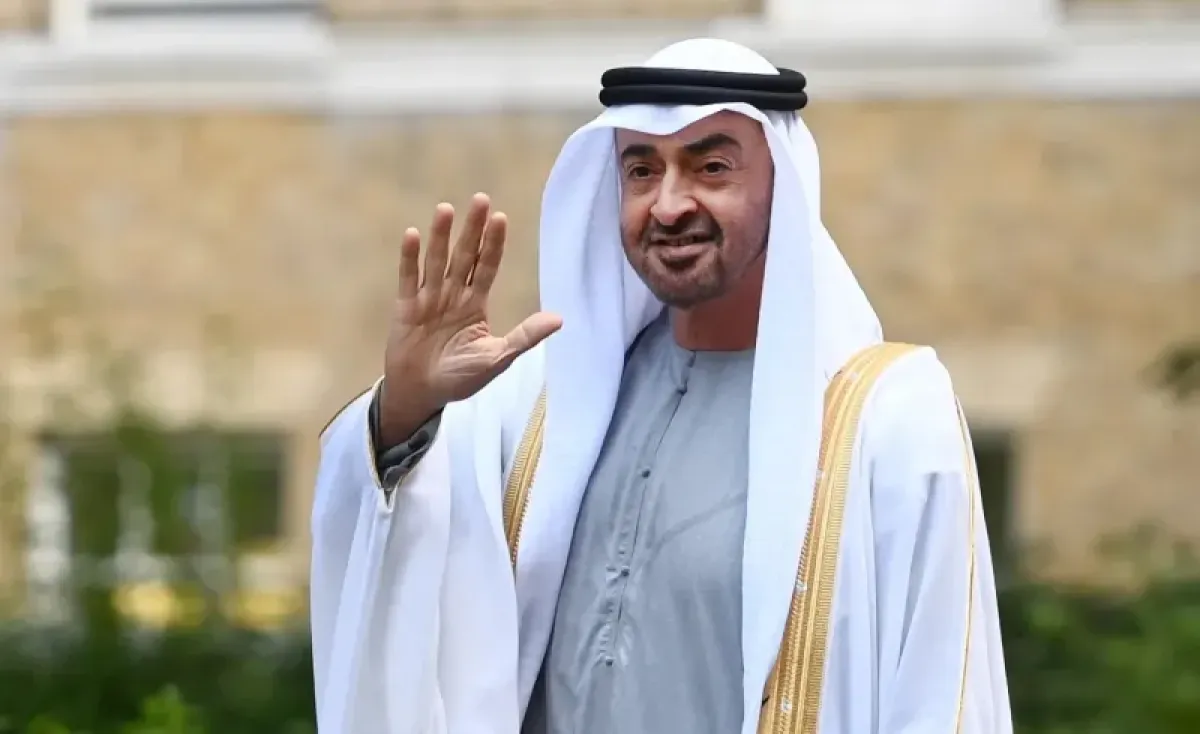
In a move underscoring a shift in diplomatic engagement, UAE President Sheikh Mohamed bin Zayed Al Nahyan conducted a swift visit to Kuwait following Iranian attacks, prioritizing immediate solidarity over traditional protocols. The visit, lasting only a few hours, conveyed a powerful political message of unwavering support during a period of heightened regional tension.
The timing of Sheikh Mohamed bin Zayed's arrival, approximately seven hours after the attacks targeted Kuwait, marked a significant departure from conventional diplomatic norms. Observers noted the absence of customary formal ceremonies, including the ceremonial cloaks ("bisht"), suggesting that the gravity of the situation called for a demonstration of solidarity rather than a display of protocol. This "visit of solidarity," as described by analysts, reinforced the deep-rooted partnership and shared destiny between the UAE and Kuwait, prioritizing support for allies during crises above all else.
This approach, termed "presence diplomacy" by commentators, utilizes rapid deployment and on-the-ground engagement as a potent political statement, reflecting a nation's commitment and reducing the need for extensive official communiqués. The visit gained further significance due to its concurrence with the end of the temporary ceasefire with Iran and the resumption of reciprocal strikes in the Gulf, escalating security concerns across the region.
The visit carried a dual message: internally within the GCC, it affirmed the interconnectedness of security, signaling that any threat to one member state is a concern for all. Externally, it communicated to regional actors the GCC's capacity for political cohesion amidst escalating tensions. During his visit, Sheikh Mohamed bin Zayed was received by Kuwait's Emir, Sheikh Meshal Al-Ahmad Al-Jaber Al-Sabah, where discussions focused on bilateral relations, avenues for enhancement, and the latest regional and international developments.
Official statements following the visit emphasized the importance of strengthening cooperation across various sectors to serve mutual interests. Both nations reaffirmed their commitment to initiatives promoting regional peace, security, and stability, underscoring the necessity of bolstering GCC unity and supporting the council's progress toward fulfilling the aspirations of its people for development and stability. Analysts believe these messages gained additional weight due to their delivery amidst exceptional security circumstances, lending them a practical dimension beyond standard political pronouncements.
Walid Al-Jassem, Editor-in-Chief of Kuwait's Al-Rai newspaper, views the UAE-Kuwaiti relationship as a steadfast model of fraternal ties within the GCC, built on a long history of trust and coordination on shared interests. He highlighted the strategic partnerships developed in recent years across economic, investment, trade, and development spheres, alongside political coordination, reflecting the leaderships' commitment to enhancing Gulf integration. Al-Jassem added that the visit resonated positively in Kuwait, fostering bilateral cooperation and paving the way for new initiatives and joint projects supporting regional development and stability.
Kuwaiti media personality Rashid Al-Fahm described the relationship between the UAE and Kuwait as one of mutual support and a "single home," rooted in historical and fraternal bonds between their leaderships and peoples. He noted the significant opportunities for deepening integration in political, economic, investment, and cultural fields, considering Sheikh Mohamed bin Zayed's visit as a testament to the leaderships' dedication to expanding partnership and strengthening joint Gulf action.
The visit of Sheikh Mohamed bin Zayed to Kuwait illustrates how rapidly evolving security dynamics in the region are prompting GCC nations to adopt more agile and responsive diplomatic tools. This approach prioritizes direct engagement and immediate support for allies over traditional diplomatic statements. The visit has thus established a new concept, "solidarity diplomacy," where swift travel to a nation facing adversity serves as a political and security message in itself, demonstrating that relationships are measured not by ceremony but by actions taken during crises.
As the region confronts escalating security challenges, this visit underscores that Gulf unity is no longer merely a political slogan but a practical exercise reflected in rapid coordination and action. This enhances trust among GCC states and reassures their populations that their security and stability are a shared responsibility transcending borders and protocols.