A recent agreement facilitated by President Trump has been criticized for inadvertently formalizing Iran's control over the Strait of Hormuz, undermining previous U.S. efforts to ensure safe passage for commercial tankers.
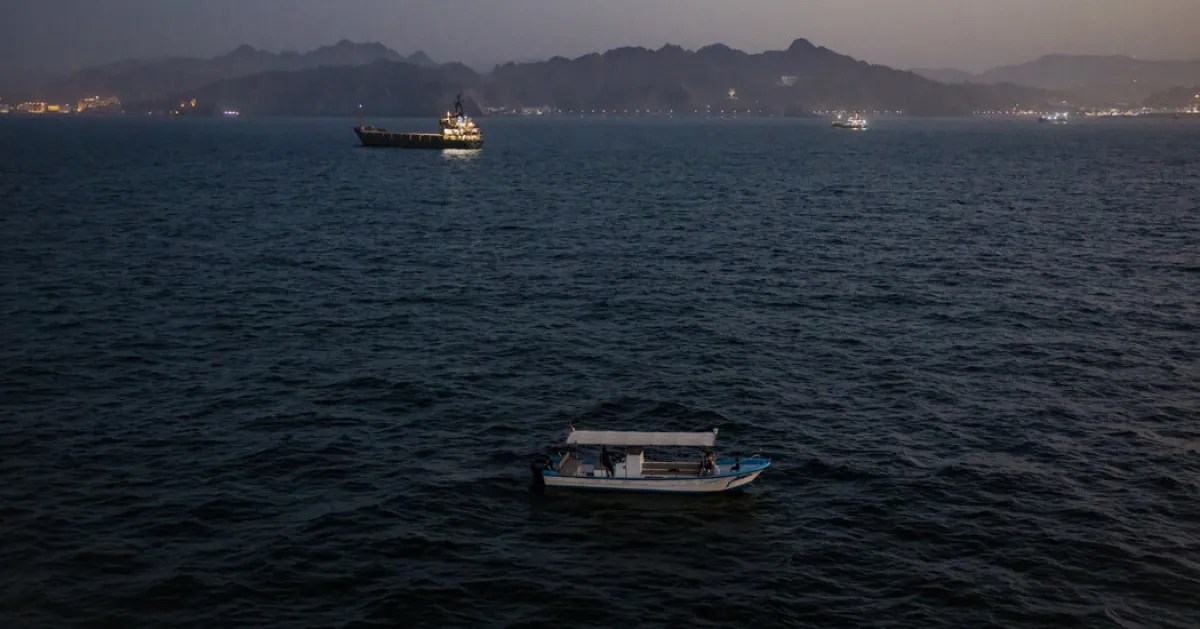
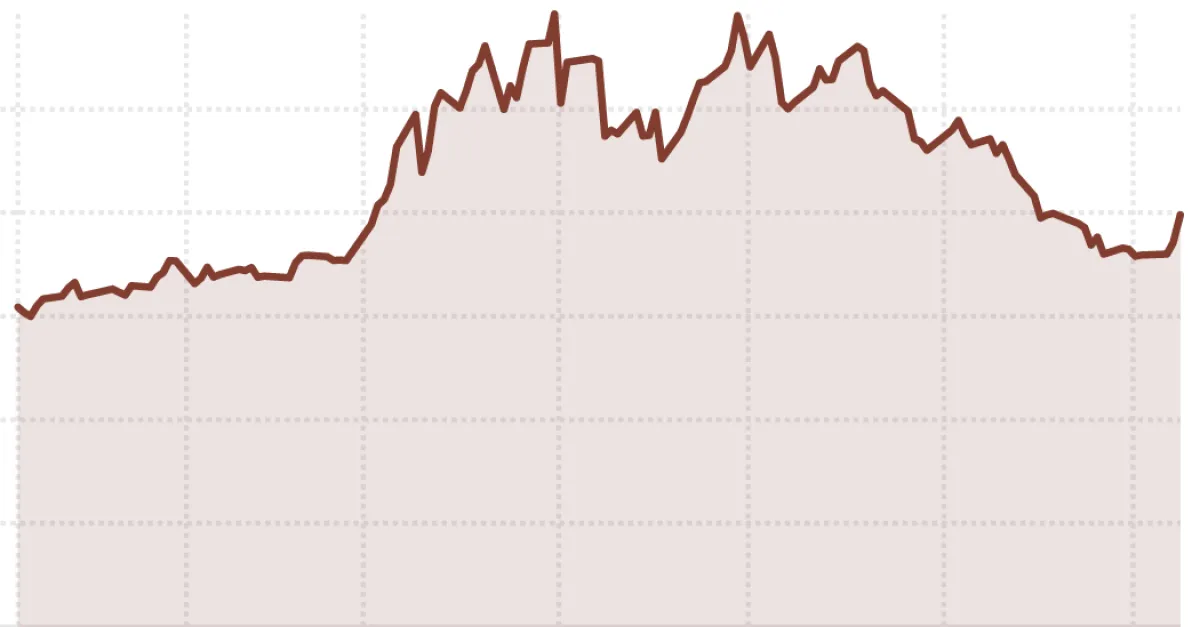
For two months, a discreet arrangement with the U.S. Navy allowed commercial tankers to transit the Strait of Hormuz with their transponders deactivated, evading Iranian detection. The U.S. military provided air cover and guided vessels along Oman's coast, a strategy that successfully increased traffic through the vital waterway from May to June during a temporary cessation of hostilities.
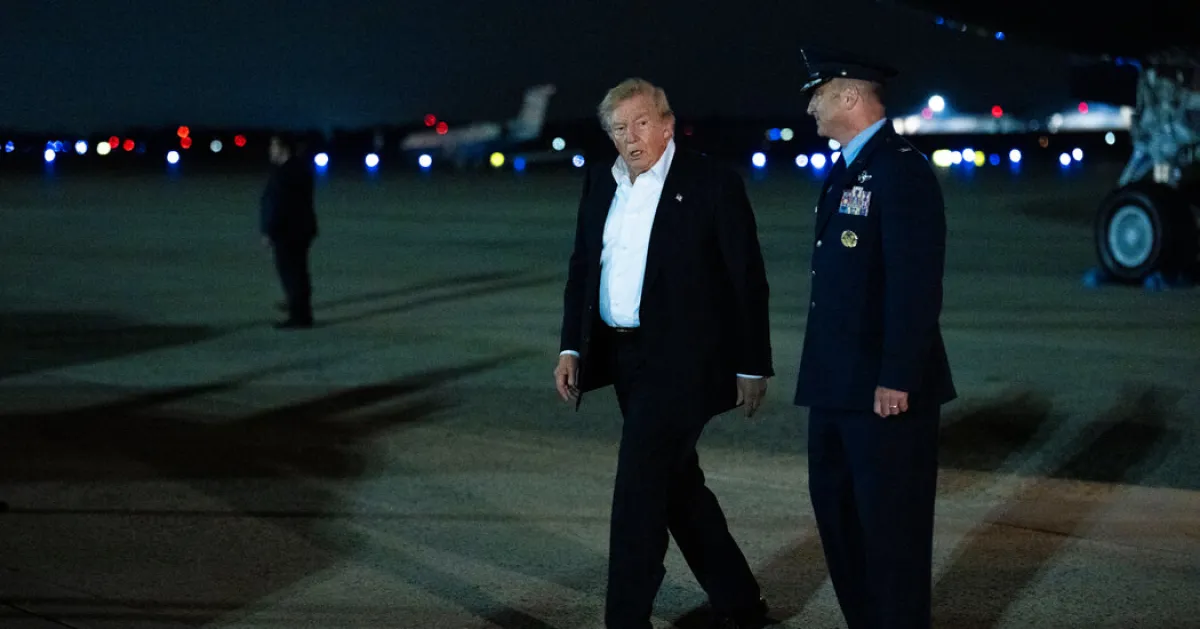
However, critics contend that a framework deal signed by President Trump on June 14 has led to the termination of this arrangement. They point to the agreement's language, which they assert grants Iran official authority within the strait, and its ambiguous phrasing as significant drawbacks.
While President Trump publicly heralded the June 14 agreement as a means to reopen the strait, with a social media post stating, "Ships of the World, start your engines. Let the oil flow!", dissenting voices argue that the deal effectively recognized Iran's de facto control over the strait, a position Iranian officials have consistently maintained throughout the conflict.