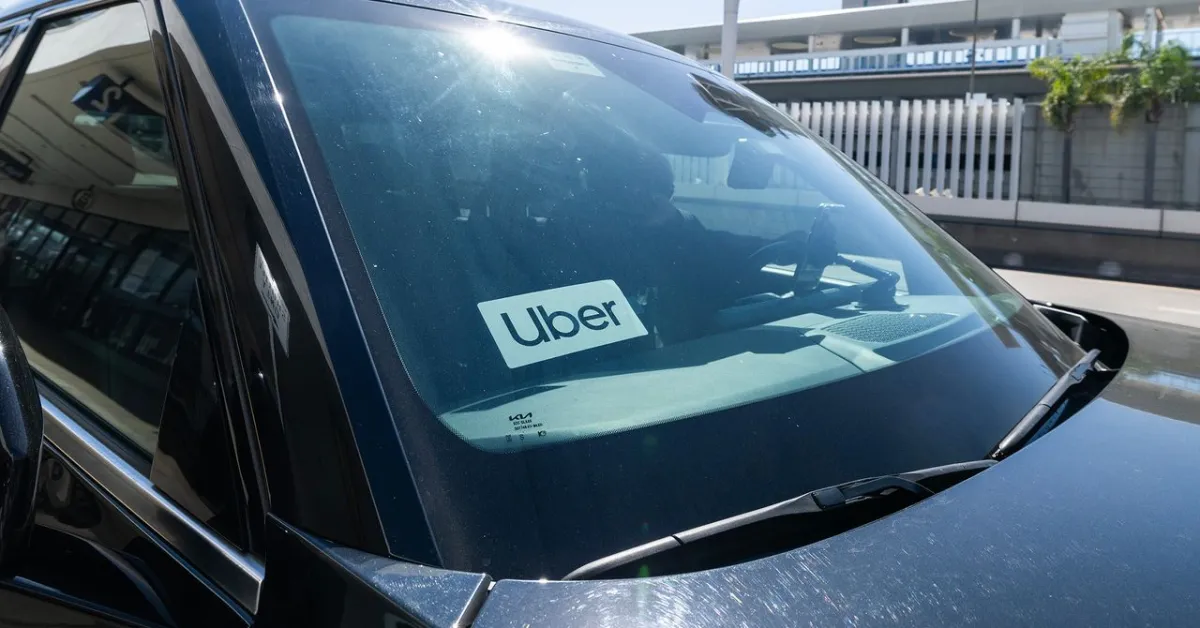
Uber is actively lobbying lawmakers to bake its "hybrid network" strategy into autonomous vehicle regulations, aiming to ensure human drivers and robotaxis operate on the same platforms.
The company, which abandoned its own self-driving car program, now positions itself as the central marketplace for all ride-hailing services, whether human-driven or autonomous. Uber has inked deals with over 25 autonomous vehicle (AV) players and wants to be the go-to commercial platform for them all. This strategy is evident in their lobbying efforts in places like New Jersey and Washington D.C.
In New Jersey, Uber's proposed legislation would mandate that for three years, any platform offering driverless ride-hailing must have human drivers handle 85 percent of rides. This move could effectively block AV developers like Waymo and Tesla from launching their own apps in the state, pushing them toward Uber's platform and limiting competition. A New Jersey bill currently under consideration also includes provisions that could affect Tesla's robotaxis due to its sensor requirements.
Similarly, in Washington D.C., Uber representatives have pushed for "hybrid networks" to be part of the framework for AV deployment. An Uber lobbyist expressed that allowing hybrid networks is "critical for a smooth transition that supports both technology and human drivers." This approach contrasts with some AV companies that advocate for less restrictive network models.
Uber maintains that its push for hybrid networks is about fostering a balanced transition that considers worker issues and prevents monopolies. However, this stance marks a significant shift from its earlier, more aggressive approach to AV technology and regulation. The company's past actions, including shutting down its AV program and facing regulatory battles, have clearly influenced its current cautious strategy. This new position, acknowledged by Uber's President and COO Andrew Macdonald, aims to rebuild trust and learn from past mistakes.
Rival AV companies, like Waymo, have expressed openness to various network types, signaling a potential conflict with Uber's preferred model. Despite past partnerships, the relationship between Uber and Waymo has shown signs of strain, with Uber's CTO recently sharing a video of a "scary Waymo moment." While Waymo leads in US robotaxi services, Uber's lobbying efforts suggest it aims to shape the future landscape of autonomous ride-hailing.