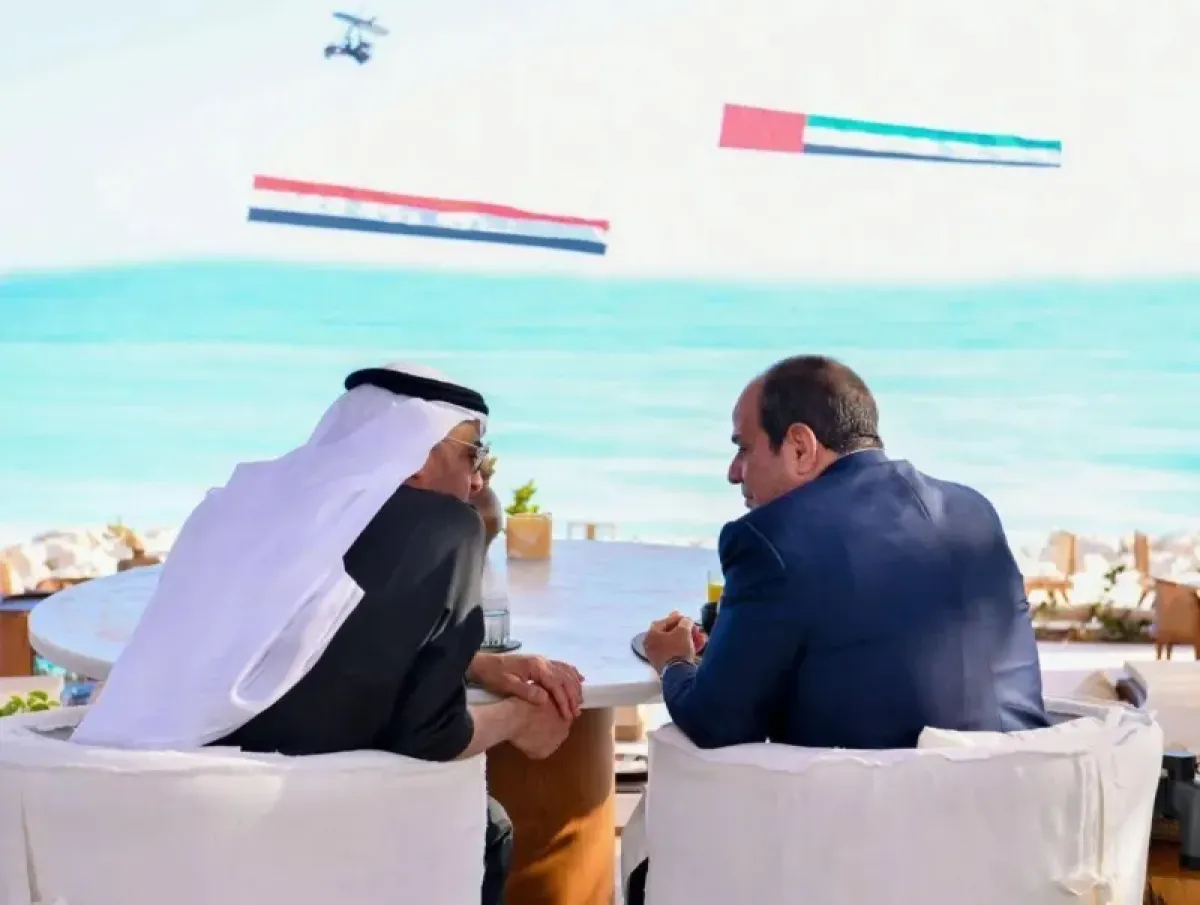
The Presidents of the United Arab Emirates and Egypt held discussions in El Alamein, Egypt, to coordinate strategies amid escalating regional tensions and security concerns in the Middle East.
The meeting between UAE President Sheikh Mohamed bin Zayed Al Nahyan and Egyptian President Abdel Fattah El Sisi focused on regional and international developments, and ways to enhance joint coordination. The discussions, which took place during an official visit by the UAE President to Egypt, also covered bilateral relations and cooperation between the two nations, alongside regional issues of mutual interest.
Both sides underscored the importance of continued consultation and coordination between Cairo and Abu Dhabi to address the challenges facing the region. They emphasized the necessity of supporting de-escalation efforts and preserving security and stability in the Middle East.
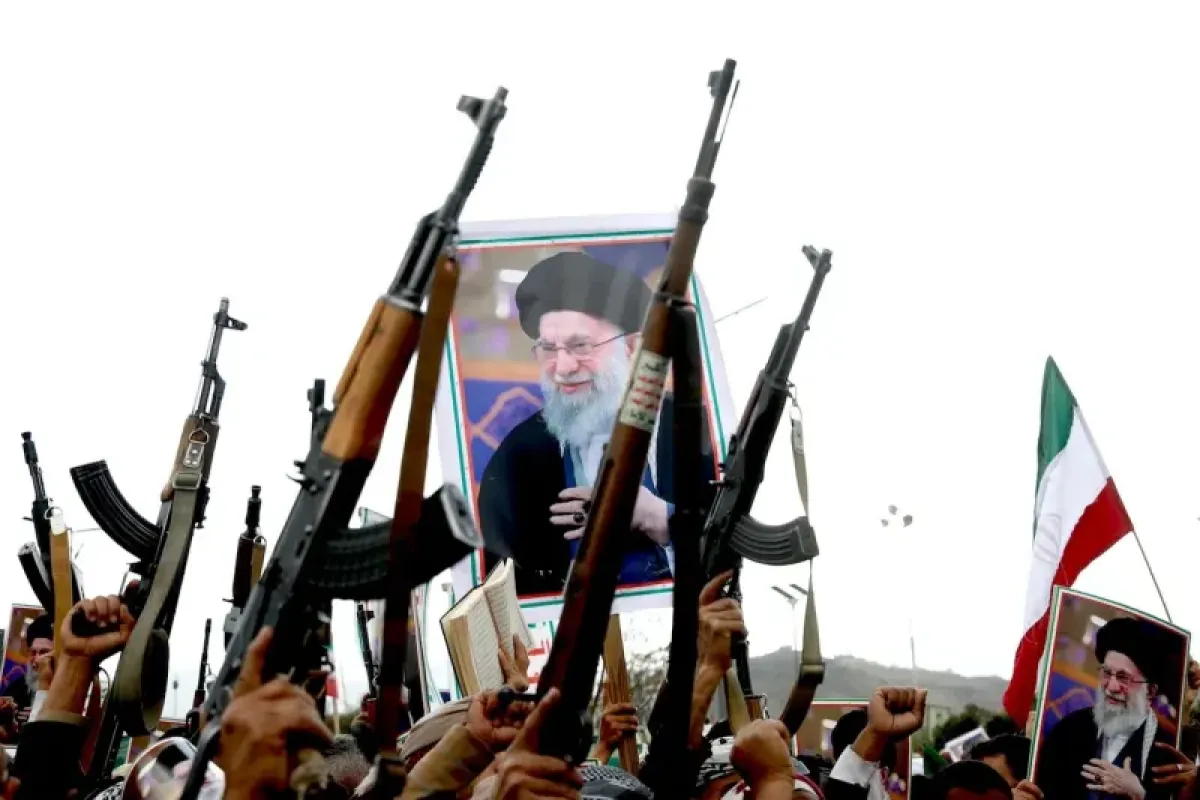
This strategic alignment occurs at a critical juncture, marked by heightened tensions between the United States and Iran, and concerns over the potential for wider conflict. Such developments carry significant implications for Gulf security, global trade, and energy supplies, particularly with threats emerging in the Strait of Hormuz, a vital global maritime passage.
The El Alamein summit reflects a growing interest from both Cairo and Abu Dhabi in unifying their stances on the rapidly evolving regional landscape. There are shared concerns that the US-Iran confrontation could trigger new crises beyond the immediate parties involved, impacting neighboring countries and global markets.
The UAE and Egypt view regional stability as fundamental to safeguarding their economic and security interests. The security of the Gulf, in particular, is intrinsically linked to the uninterrupted flow of energy supplies and international navigation, making any disruption to critical maritime routes a direct threat to regional and global economies.
This coordination is part of an ongoing dialogue between Cairo and Abu Dhabi on regional matters. Both countries advocate for political and diplomatic solutions to crises and stress the importance of preventing the region from descending into widespread confrontations that could further complicate the security and political environment.
Maritime security has emerged as a key focus for both nations, given the rising concerns over the impact of military tensions on shipping in the Gulf and the Strait of Hormuz, a crucial artery for global energy trade. Political observers note that any prolonged closure or security disruption in the Strait would have far-reaching consequences for oil markets and international commerce, necessitating intensified diplomatic efforts to avert an open regional crisis.
Egyptian and Emirati initiatives are concentrating on supporting de-escalation pathways and maintaining communication channels with various stakeholders. They believe that continued escalation risks repercussions extending beyond the direct parties to the conflict.
The discussions between President El Sisi and Sheikh Mohamed bin Zayed extended beyond US-Iran developments to encompass other regional issues, including the situations in Gaza, Sudan, and Libya, all of which hold shared importance for both countries due to their direct impact on regional security.
Cairo seeks to bolster its regional role, leveraging its geographic and political position, while Abu Dhabi continues its efforts to promote stability and protect interests related to security, energy, and trade. Analysts suggest the El Alamein meeting sends significant political messages beyond the bilateral context, signaling a desire for enhanced Arab consultation during a period of rapid shifts in regional power dynamics and the potential for crises to spread.
The joint actions by Egypt and the UAE underscore their high priority on aligning positions to confront unfolding developments, particularly given the interconnectedness of security, energy, navigation, and political crises in the region. Amidst persistent uncertainty, Cairo and Abu Dhabi face a test in strengthening their diplomatic roles to prevent the expansion of conflict and promote solutions that mitigate confrontation and preserve Middle East stability.
The El Alamein summit indicates that the coming period will witness increased consultations between the two nations as they navigate the ramifications of regional crises and safeguard their shared interests within a highly complex security environment.