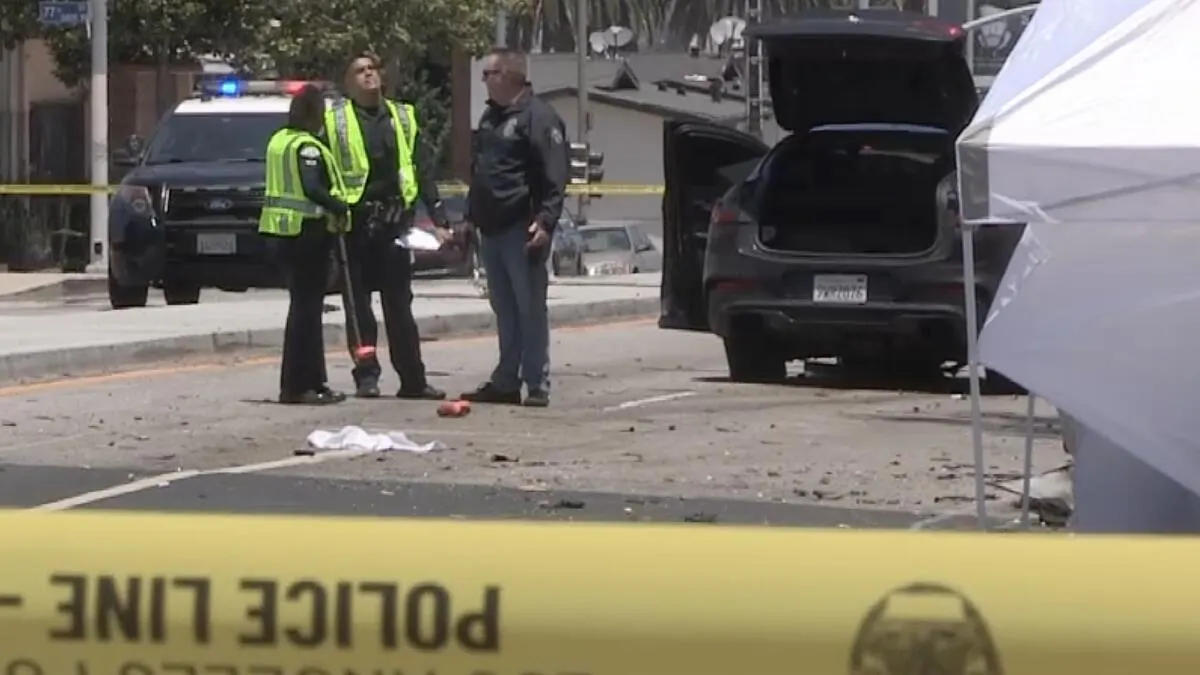
Industrial accidents, often involving toxic materials and posing significant risks to residents, have become a recurring issue in Los Angeles and its surrounding areas, particularly affecting working-class communities. Recent incidents, such as the warehouse fire in Boyle Heights and a chemical leak in Garden Grove, highlight a persistent problem rooted in the historical development and zoning practices of the region.
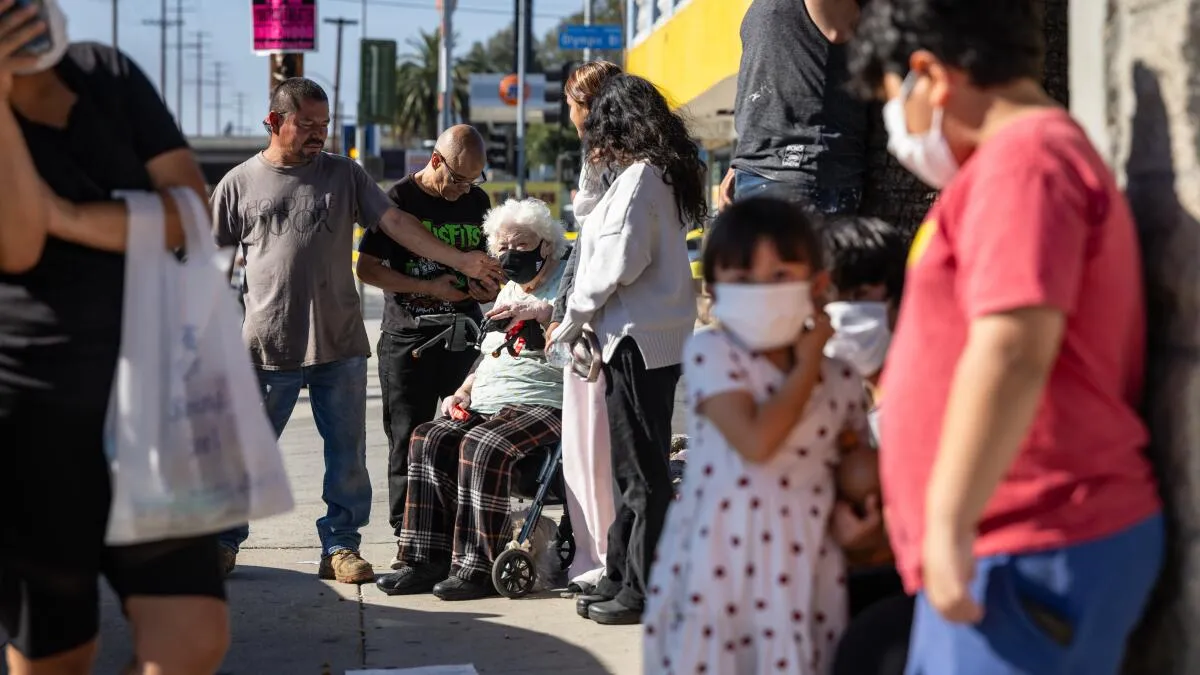
The recent warehouse fire in Boyle Heights released noxious fumes from burning food, insulation foam, and solar panels, prompting evacuation orders and school closures. This event is emblematic of a broader pattern where industrial operations, whether due to technological failures or human error, result in environmental hazards for nearby populations. Such incidents are not isolated; they frequently occur in neighborhoods historically developed with less expensive land, attracting both residential communities and potentially dangerous industries.
Historically, areas like the Santa Susana Field Laboratory have been sites of significant industrial activity, including rocket engine testing and nuclear technology development. Decades of operation resulted in the contamination of soil and groundwater with a wide array of toxic byproducts. While accidents at these facilities often initially impact employees, the potential for widespread environmental damage and public health risks remains a serious concern, as evidenced by ongoing cleanup efforts.
Past incidents, such as the 1988 chlorine gas release in Montebello and East Los Angeles, which led to mass evacuations, and numerous accidents at South Bay refineries, underscore the vulnerability of these communities. These events have sometimes prompted regulatory changes, such as requiring companies handling hazardous materials to submit detailed reports. However, residents often lack comprehensive access to information about the chemicals present in their neighborhoods.
The presence of major oil refineries and historical oil extraction activities further complicates the environmental landscape of Los Angeles. Decades of drilling, refining, and waste disposal have left a legacy of contamination, with historical practices including dumping industrial waste into oceans and open land. More recent events, such as the significant natural gas leak in Aliso Canyon and the extensive DDT dumping off the Palos Verdes Peninsula, demonstrate the long-lasting and far-reaching consequences of industrial activities on public health and the environment.