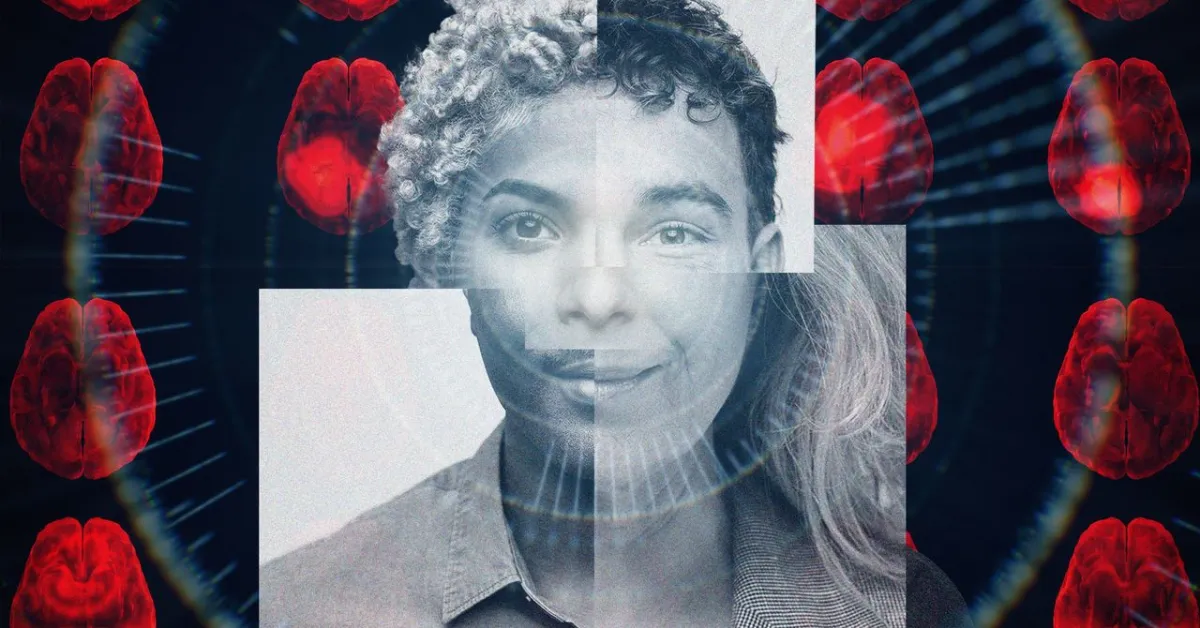
Gidi Littwin, a key figure behind Apple's Face ID and Vision Pro, has launched a startup, Hemispheric, developing a cutting-edge AI model to analyze brain health and diagnose cognitive disorders without invasive procedures.
After leaving Apple in 2020, Littwin joined forces with Hagai Lalazar, who had been exploring AI for non-surgical brain study. Hemispheric has now secured $52 million in funding, built on a foundation of data from 100,000 individuals' brain activity to train its deep learning models.
Littwin highlighted the massive data collection efforts required for Apple's projects, a scale they've replicated at Hemispheric. This extensive data is crucial because individual brain activity varies significantly, making traditional diagnoses for conditions like depression or Alzheimer's reliant on subjective methods.
Hemispheric collected a quarter of a million hours of brain data from 100,000 paid volunteers. Participants engaged in game-like activities designed to stimulate different brain regions. This data enabled the creation of an AI model that interprets electrical brain activity, similar to how large language models analyze text to infer meaning.
The team has already tested the model on individuals with diagnosed PTSD, schizophrenia, and depression, reporting accurate insights into their brain health. A clinical study is underway to assess the model's ability to diagnose and predict Alzheimer's. Their first product, focused on PTSD, is slated for FDA submission early next year, with a potential public rollout in late 2027.
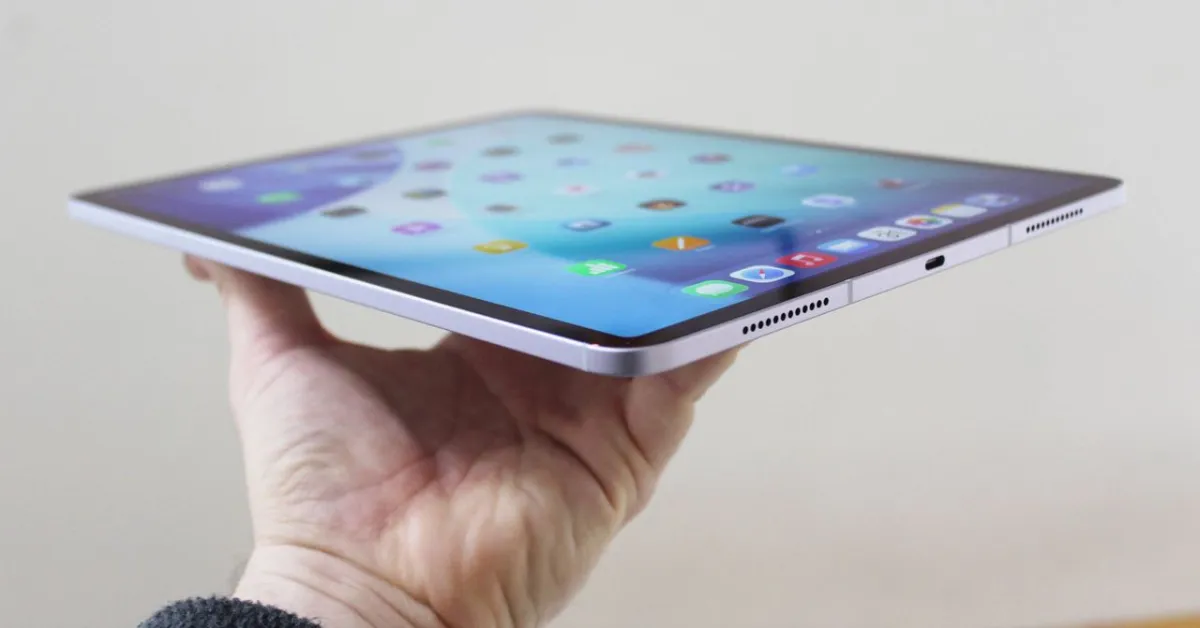
The proposed diagnostic tool involves a lightweight EEG headset worn for about 15 minutes while the patient interacts with a tablet app. Hemispheric's AI will then help clinicians interpret the signals for diagnosis, treatment prediction, and progress monitoring. Lalazar envisions this becoming as accessible and affordable as a blood test, deployable in clinics, hospitals, and private practices.
The company is also developing proprietary brain scanners to gather data that they believe will be more valuable for their AI models than traditional EEGs, which were not originally designed for machine learning applications.