Several hundred U.S. troops have been quietly withdrawn from Estonia, a move that has sparked significant concern among allied nations in Eastern Europe regarding the long-term commitment of American military support. The absence of clear communication about the timing or potential return of these forces has amplified anxieties, particularly as geopolitical tensions remain high.
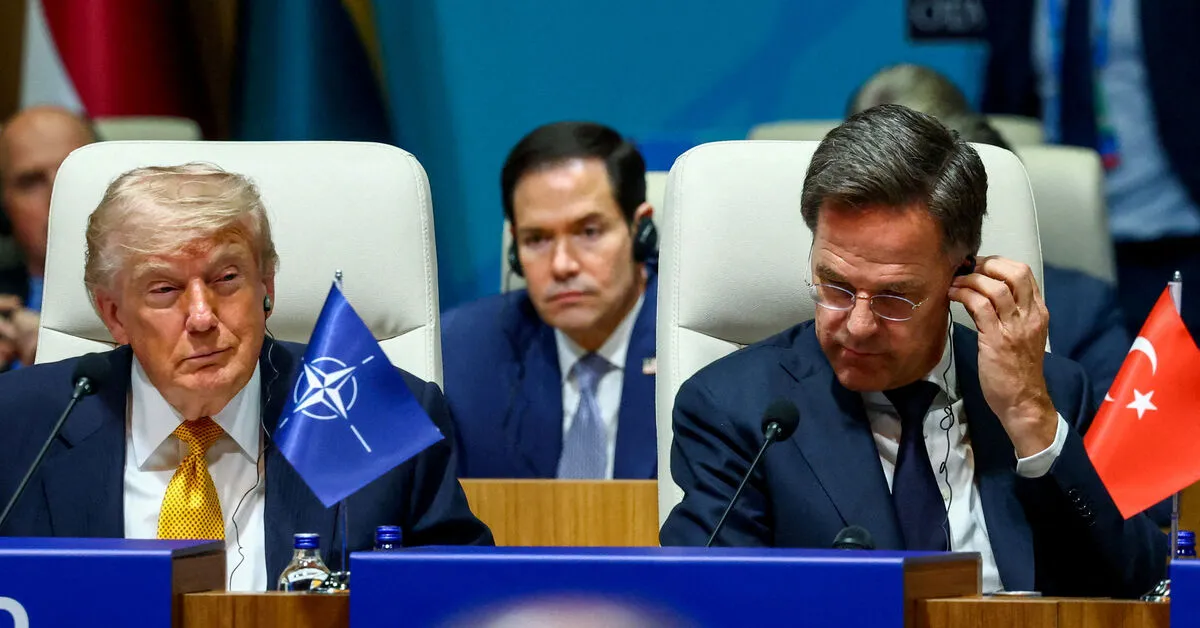
The U.S. troop reduction in Estonia, revealed by Defence Minister Hanno Pevkur, occurred despite Baltic states and Poland highlighting their increased defense spending at a recent NATO summit. These nations, having met the spending targets, believed this would ensure continued U.S. military backing. While the summit concluded with new defense deals and a stated commitment to mutual assistance, many of these agreements are long-term and will take years to materialize.
The current troop movements contrast with the stated commitments, with U.S. forces pulling back from vulnerable Eastern European areas. This occurs at a time of heightened concern that Russia, potentially provoked by Ukrainian strikes, might engage in aggressive actions. Analysis suggests a non-negligible chance of a direct clash between Russia and NATO members by 2026, a risk underscored by the reduction in U.S. troop presence.
This strategic shift is further complicated by U.S. military adjustments in the Middle East, where personnel have been withdrawn from forward bases amid rising tensions with Iran. The U.S. appears to be consolidating forces in perceived safer locations, including Jordan, Israel, and Turkey, as well as mainland Europe, and shifting coordination functions to the U.S. mainland. These decisions, driven by a small circle within Washington, are often made with little advance warning, creating an environment of uncertainty for allies.
The withdrawal from Eastern Europe follows the U.S. administration's unexpected cancellation of a planned troop rotation to Poland, which had a cascading effect on troop movements through the Baltic states. This trend aligns with stated U.S. policy priorities, such as confronting China and fostering a European defense initiative where Europe assumes greater responsibility. However, allies in both Europe and the Pacific are increasingly concerned about the long-term trajectory of U.S. engagement.
Alternative explanations for the troop repositioning include a strategy to reduce U.S. forces in harm's way should conflict escalate. This potential pivot in U.S. strategy, favoring highly mobile units with long-range missile capabilities over static forward deployments, is prompting allies to seek closer coordination, including in procurement, despite Pentagon assertions that no single nation can match the U.S. defense industrial base. The perceived need for Europe to accelerate its own defense capabilities is evident, as time is considered a critical factor in the face of evolving threats.