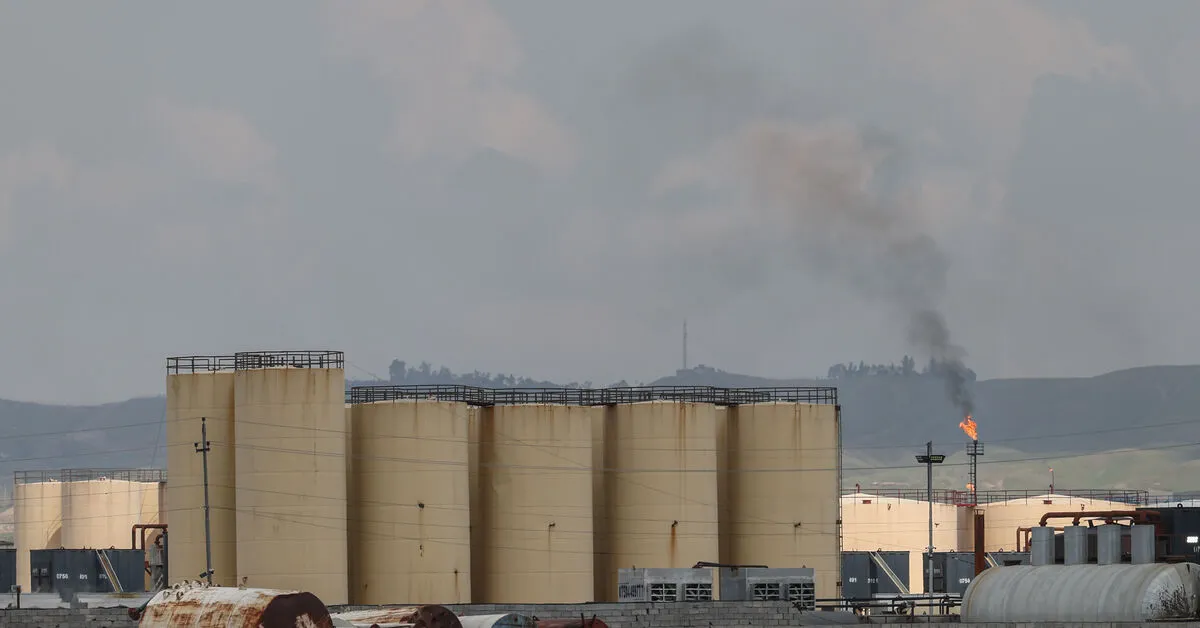
Iran launched renewed assaults on U.S. allies in the Gulf on Saturday, following a seventh consecutive night of U.S. military strikes targeting Iranian positions, including logistical infrastructure. This escalation occurs just one week after the collapse of a tentative ceasefire agreement, reigniting fears of a wider conflict.
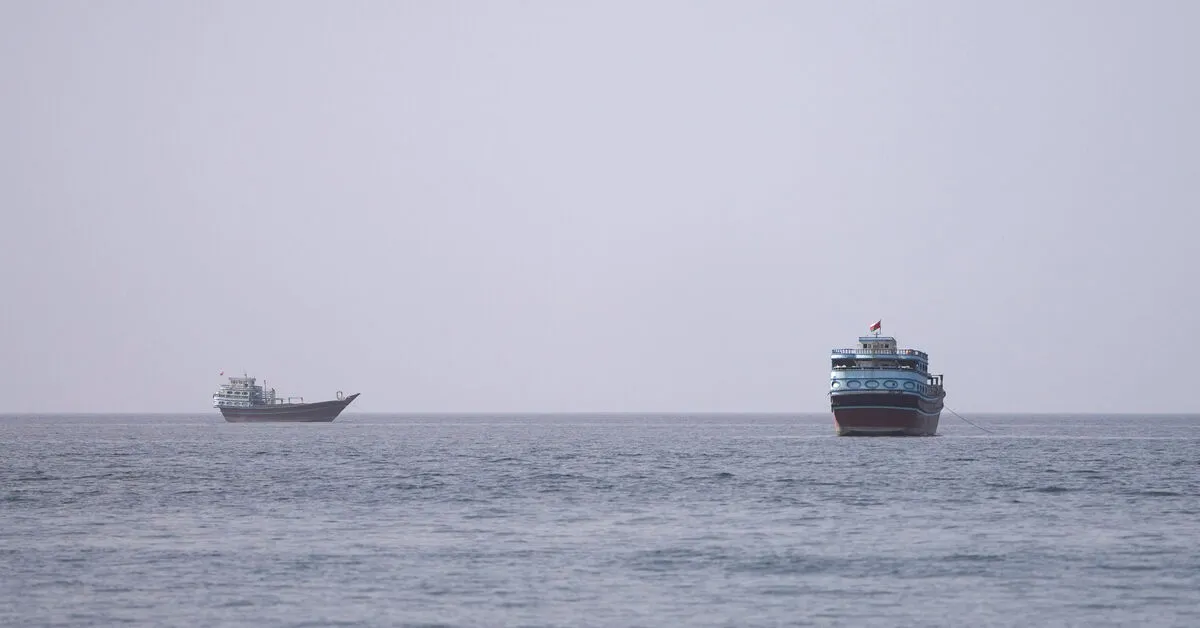
Both nations engaged in actions targeting maritime traffic. The United States asserted its enforcement of a naval blockade, while Iran claimed to have targeted vessels that violated its navigation protocols in the Strait of Hormuz, a critical chokepoint for approximately one-fifth of the global oil supply. Oil prices surged over 4% on Friday, reaching their highest point in over a month, intensifying political pressure on U.S. President Donald Trump ahead of the November congressional elections.
The U.S. military's Central Command stated that its latest strikes had targeted surveillance sites, military logistics infrastructure, underground weapons storage, and maritime assets, utilizing fighter aircraft, drones, and warships. A statement from Central Command emphasized the vigilance and readiness of over 50,000 American service members operating in the Middle East. Conversely, Iranian state media reported missile strikes on power facilities and desalination pumps in the southern city of Jask, leading to disruptions in drinking water supply to local villages.
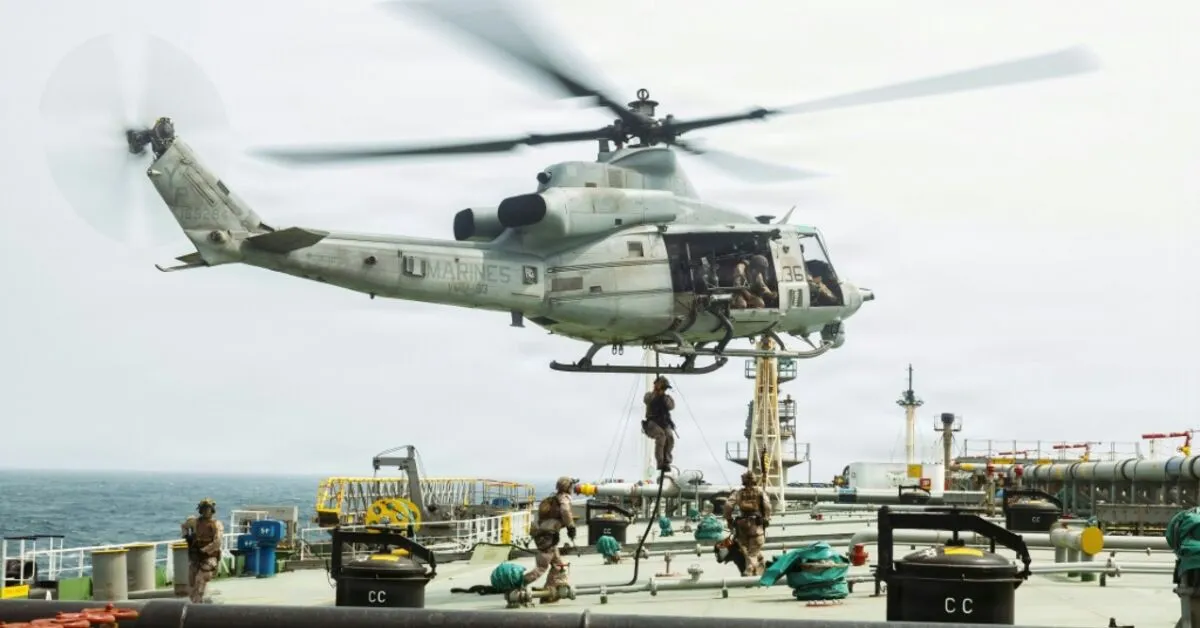
In its maritime operations, U.S. forces reportedly redirected four commercial vessels, disabled one, and boarded another to enforce the naval blockade. Iran's Revolutionary Guards, however, claimed to have halted four vessels for violating shipping regulations using a combined missile and drone operation. Iranian media also reported explosions and fires on two oil tankers after they traversed a mined route south of the strait, a claim the U.S. military dismissed as false. The security situation was further complicated by the seizure of another vessel off Yemen, raising concerns about the safety of oil shipments through the Red Sea.
The United Nations Secretary-General, Antonio Guterres, expressed concern over the escalating conflict, particularly regarding attacks on civilian infrastructure within Iran and across the region. Iranian media indicated that enemy strikes hit coastal Hormozgan Province, resulting in three fatalities, eight injuries, and damage to infrastructure, including bridges and a road tunnel. Similar reports of explosions and strikes emerged from multiple cities across southern Iran.
Iran announced retaliatory attacks on Gulf countries hosting U.S. airbases, including Bahrain, Qatar, Kuwait, and Jordan, alongside a strike on a U.S. vessel in the northern Indian Ocean. Saudi Arabia's civil defense issued early warnings, while Kuwait reported damage and disruption to a power generation and water desalination station following an Iranian attack. The Kuwaiti army confirmed responding to Iranian drone incursions. Iran's Revolutionary Guards claimed to have attacked a U.S. drone depot in Bahrain and struck its main artificial intelligence center, while its navy reportedly fired a shore-to-sea cruise missile towards a U.S. vessel in the northern Indian Ocean.