Iran has launched retaliatory strikes on infrastructure in the Gulf and issued threats of a full-scale offensive following a week of US assaults on its territory. The conflict, which intensified after an initial preliminary deal aimed at ending their war, has seen Tehran accuse Washington of targeting airports, railway stations, and bridges.
Iranian authorities reported that Saturday's retaliatory actions included strikes on an oil facility in Kuwait and a power and water plant within the Gulf state. Simultaneously, Bahrain's military announced that its air defense systems had intercepted a barrage of Iranian attacks. Iran's senior military advisor, Major General Mohsen Rezaei, indicated that Tehran would move beyond proportionate responses and that no political borders would remain secure if US strikes persisted.
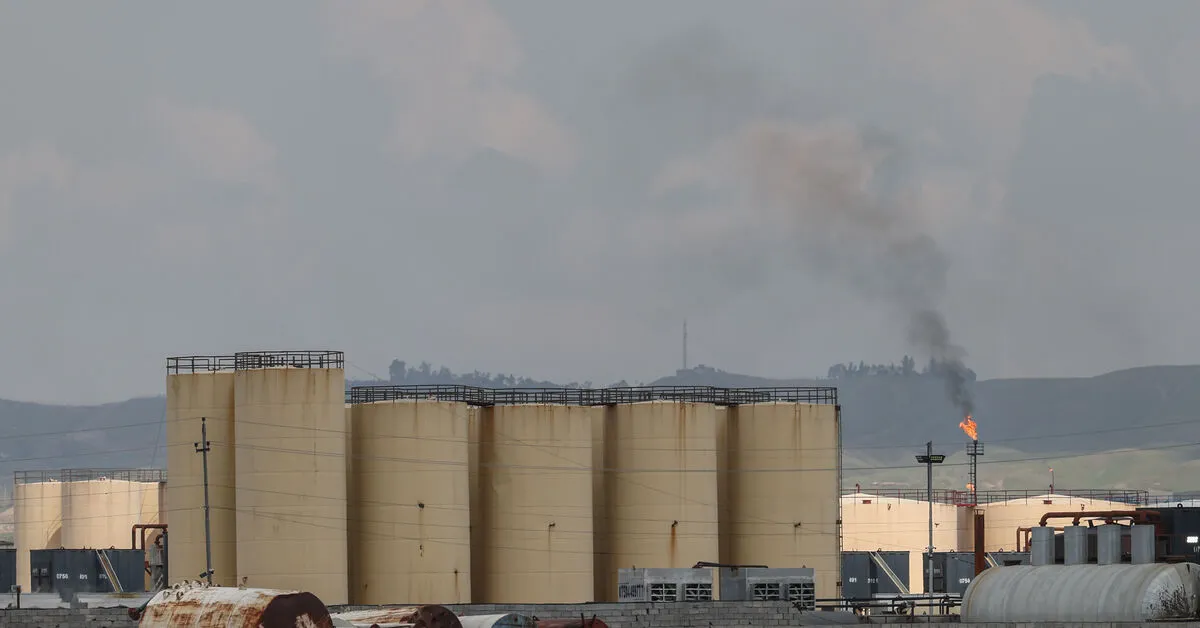
Kuwait condemned Iran's targeting of civilian sites and vital infrastructure, noting that an attack on a power and water plant forced the deactivation of several power generation units. This marked the second such incident at a Kuwaiti power and water plant in consecutive days. Kuwait's state oil company reported injuries and damage resulting from an attack on an oil facility, with firefighters also sustaining injuries battling blazes ignited by Iranian strikes.
In Bahrain, another US ally, the Iranian army claimed to have targeted an airbase utilized by the United States, according to state broadcaster reports. Drones reportedly struck aircraft shelters, parking areas, and fuel storage tanks belonging to the US military at Sheikh Isa Air Base, as well as several connecting bridges. Jordan also reported being targeted, with Iranian state media claiming that fuel tanks at its Al-Azraq base were hit. The Jordanian army stated that it had shot down ten missiles with no casualties or damage reported.
Amidst escalating threats, hopes for a political settlement have diminished, despite mediation efforts. US President Donald Trump had previously threatened to strike Iranian infrastructure, though official confirmation of US forces carrying out such actions has been absent. Iranian state news agency IRNA reported that US attacks in the southern province of Hormozgan had resulted in three fatalities and eight injuries, with 116 telecommunications towers rendered inoperable, disrupting communication services in several northern areas. In Khuzestan province, a deputy governor stated that the US had attacked 95 locations across 12 cities over the preceding ten days, resulting in eight deaths. Iranian authorities also accused the US of striking power facilities and desalination plant pumps, leading to a cutoff of drinking water to several villages.
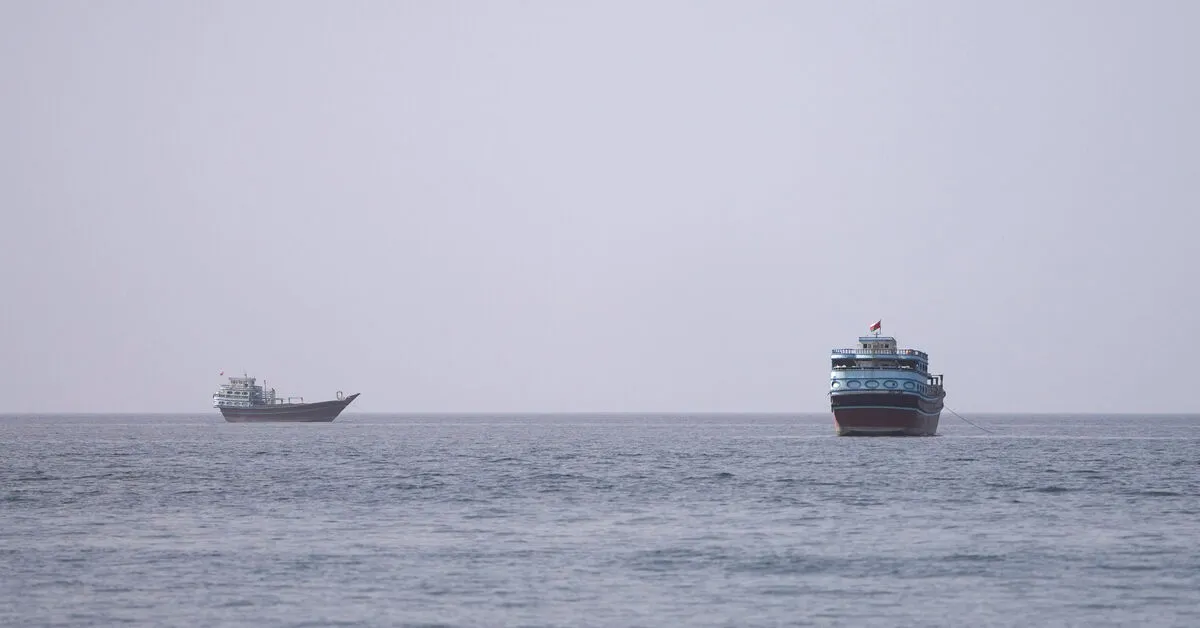
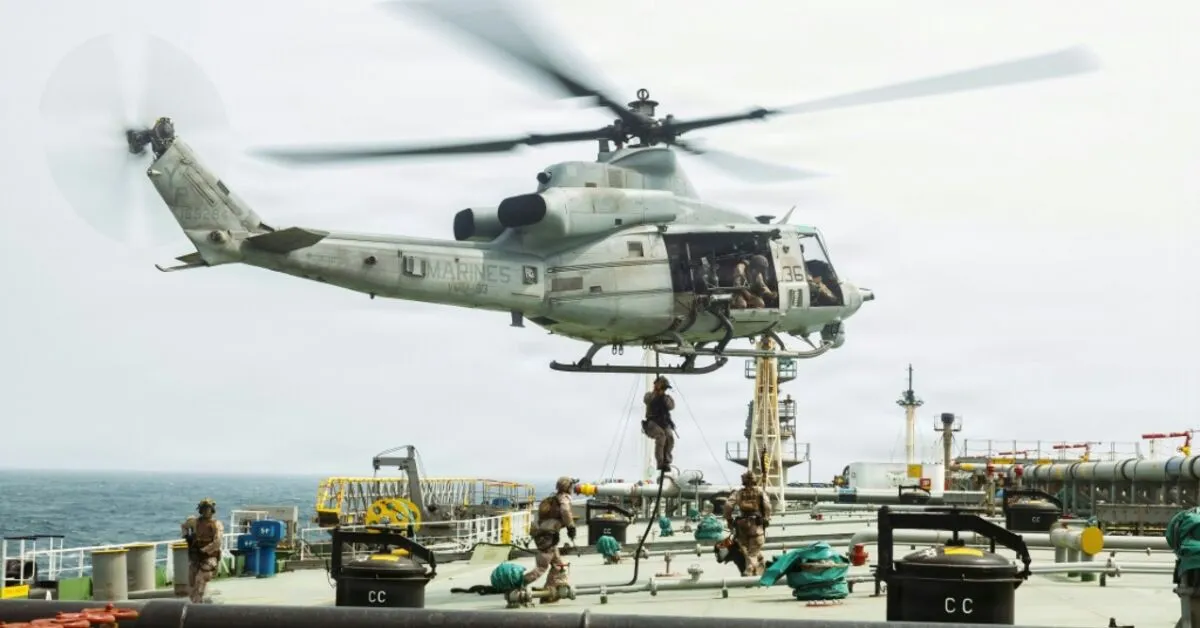
David Khalfa, a Middle East specialist, observed that a "widening range of strategic infrastructure" is now being drawn into the conflict. He noted the paradox wherein neither side has a strategic interest in the escalation, yet both perceive compromise as capitulation. The recent surge in violence was reportedly triggered by Iranian attacks on vessels in the Strait of Hormuz. While Iran's Revolutionary Guards claimed responsibility for explosions involving two oil tankers, attributing them to mines, the US military swiftly denied this. The Revolutionary Guards also reported intercepting four ships attempting to transit the waterway. The conflict's control over this vital transit route has become a key element in negotiations, with the US having reimposed its blockade of Iranian ports to restrict the nation's oil revenues.