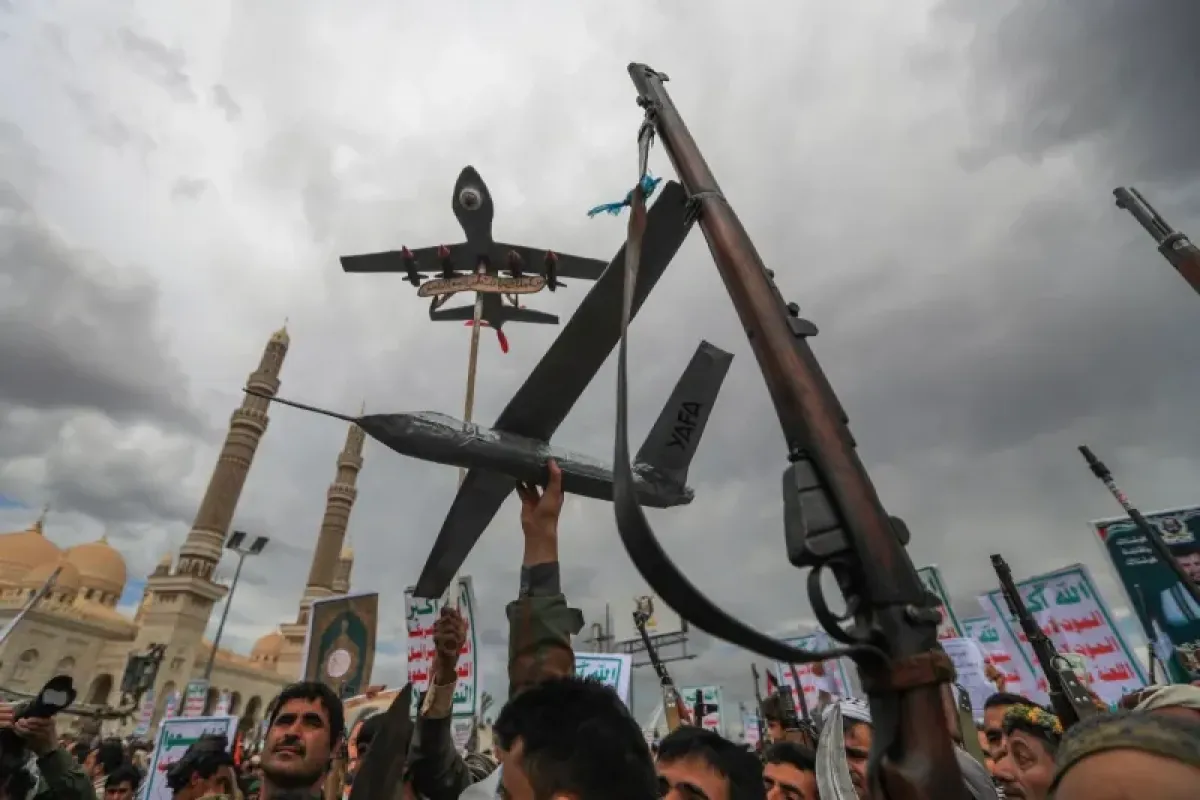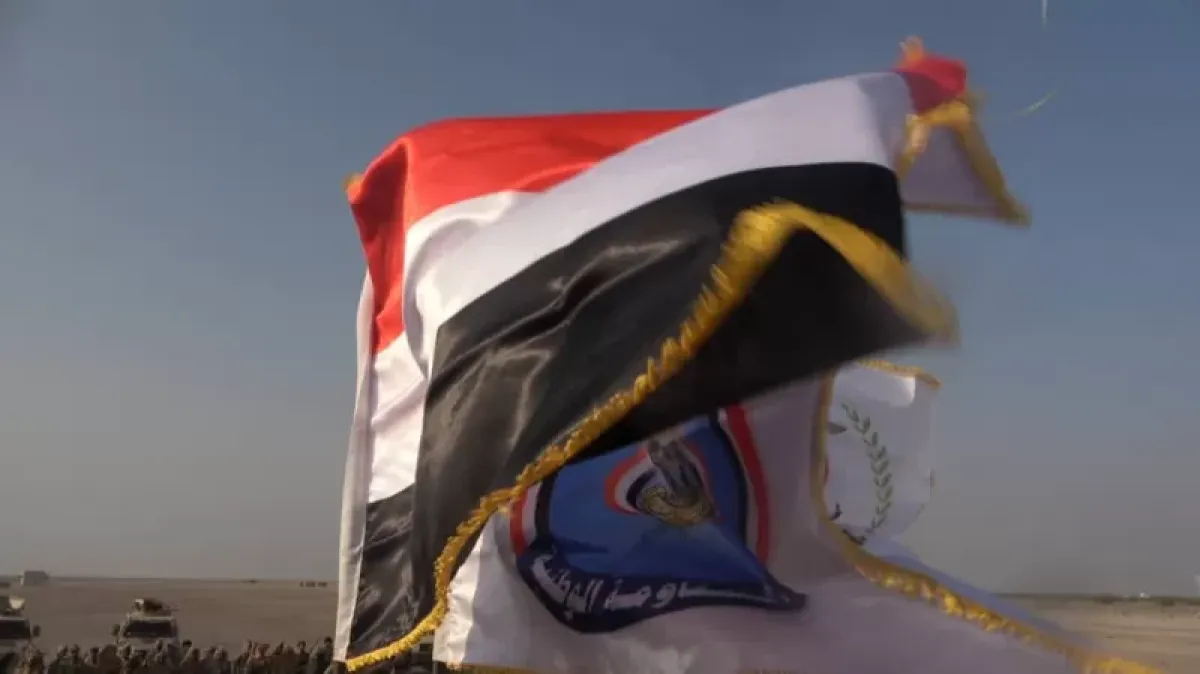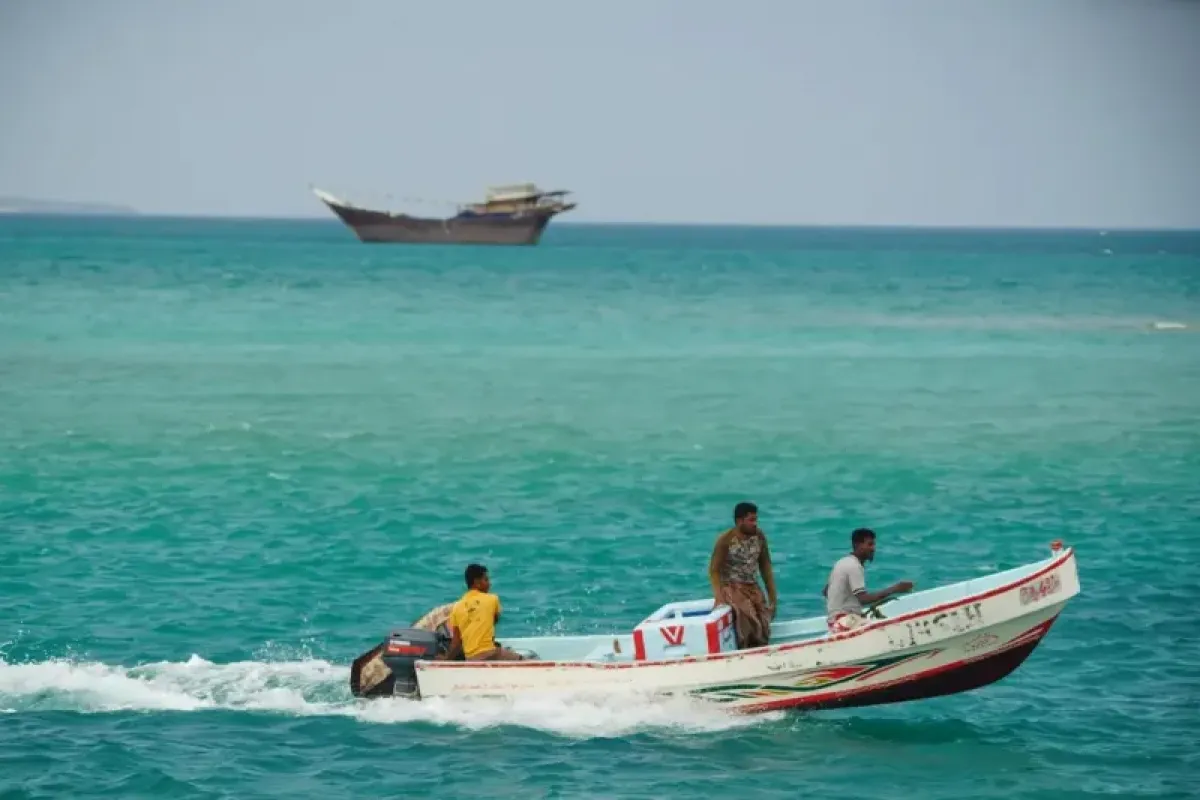
Regional and Iranian sources have revealed new military movements by the Houthi militia near the Bab al-Mandab Strait, including the deployment of missiles and drones in elevated positions overlooking the Red Sea and the Gulf of Aden. These actions are reportedly in preparation for attacks on international shipping, following Iranian directives linked to potential U.S. escalation against Tehran.
According to Reuters, citing two senior Iranian officials and an informed regional source, the Iranian leadership has discussed with the Houthis a plan to prepare for the closure of the Bab al-Mandab Strait. This action would be a response if the United States were to target infrastructure within Iran's electricity grid, a move that could broaden the regional confrontation and threaten one of the world's most critical maritime passages.
The sources confirmed that Tehran had recently communicated this strategic direction to the Houthis. However, details regarding the method or timing of this communication were not disclosed. Neither the Iranian Foreign Ministry nor the Houthi spokesperson has officially commented on this information.
A source close to the Houthis indicated that the group has completed its military preparations, positioning missiles and drones in strategic locations on the heights overlooking Hodeidah Governorate, Bab al-Mandab, and the Gulf of Aden. This source stated that elements deployed in these positions are "awaiting execution orders" to commence targeting commercial vessels and international maritime traffic.
The same source added that the decision on the timing of any operation to close Bab al-Mandab or attack ships would not rest solely with the Houthi leadership. Instead, it would be under the direct supervision of Iranian Revolutionary Guard Corps representatives present in Yemen, who would determine the precise moment in accordance with the evolving confrontation between Tehran and Washington.
Observers suggest that this intelligence reinforces recurring accusations of Iran utilizing the Houthis as a military leverage point in the Red Sea, serving its broader regional strategy. It further underscores the continued linkage of the Houthi militia's military decisions to the calculations of the Iranian Revolutionary Guard Corps, rather than being primarily driven by the internal situation in Yemen.
This development occurs amidst growing concerns that the Red Sea could transform into a direct theater of conflict within the Iran-U.S. struggle. Such a scenario could have grave implications for global energy security and international supply chains, with warnings that any new escalation at Bab al-Mandab would significantly increase economic pressures and threaten the stability of global trade.