The Yemeni government has officially debunked claims made by the Iran-backed Houthi militia regarding a blockade on the Hodeidah port, presenting official United Nations verification data to support its position.
Deputy Minister of Transport, Nasser Ahmed Sharif, revealed key statistics from the United Nations Verification and Inspection Mechanism for Yemen (UNVIM). These figures, covering the period from the mechanism's inception in 2016 up to May 2026, demonstrate substantial activity at the Hodeidah port, indicating the consistent entry of vital goods.
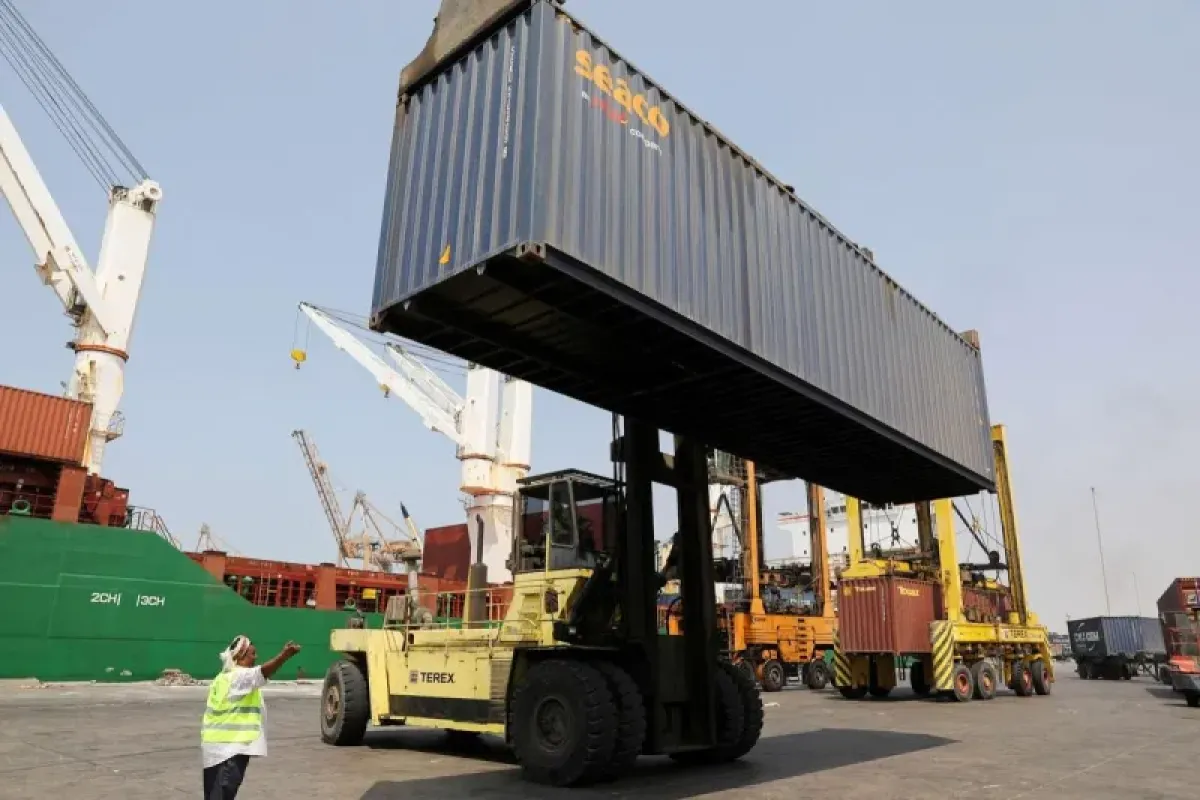
According to the UNVIM data, the mechanism processed 3,560 permit requests and conducted 2,634 inspections. Crucially, 3,238 vessels successfully discharged their cargo and departed the Hodeidah ports after completing necessary procedures. This contradicts the Houthi narrative of a port under siege.
The volume of imports facilitated by the UN mechanism during this timeframe underscores the port's operational capacity. Specifically, the data shows the arrival of 41.5 million tons of food, 20.1 million tons of fuel, and 10.4 million tons of other commercial goods. In total, over 72 million tons of essential commodities and goods entered Yemen via the UN-monitored process.
Sharif asserted that the continued Houthi discourse on a "blockade" is a deliberate political disinformation campaign aimed at deflecting responsibility for the prevailing economic and humanitarian conditions. He emphasized that official UN reports consistently highlight the ongoing commercial traffic through the port.
The Yemeni government reiterated its commitment to international maritime laws and agreements, ensuring the unimpeded flow of essential goods and fuel for all Yemeni citizens, free from political exploitation of humanitarian suffering. Sharif concluded that documented facts and international records provide irrefutable evidence of the facilities that have sustained navigation and supply lines through Yemen's ports.