Iran is navigating a critical juncture, marked by the absence of its designated Supreme Leader, Mojtaba Khamenei, and the escalating influence of the Islamic Revolutionary Guard Corps (IRGC) amidst heightened military tensions with the United States and Israel.
The nation faces one of its most sensitive periods since the establishment of the Islamic Republic, a situation compounded by three intertwined developments: the passing of Supreme Leader Ali Khamenei, the conspicuous public absence of his successor, Mojtaba Khamenei, and an unprecedented military escalation with the U.S. and Israel that has intensified confrontational dynamics.
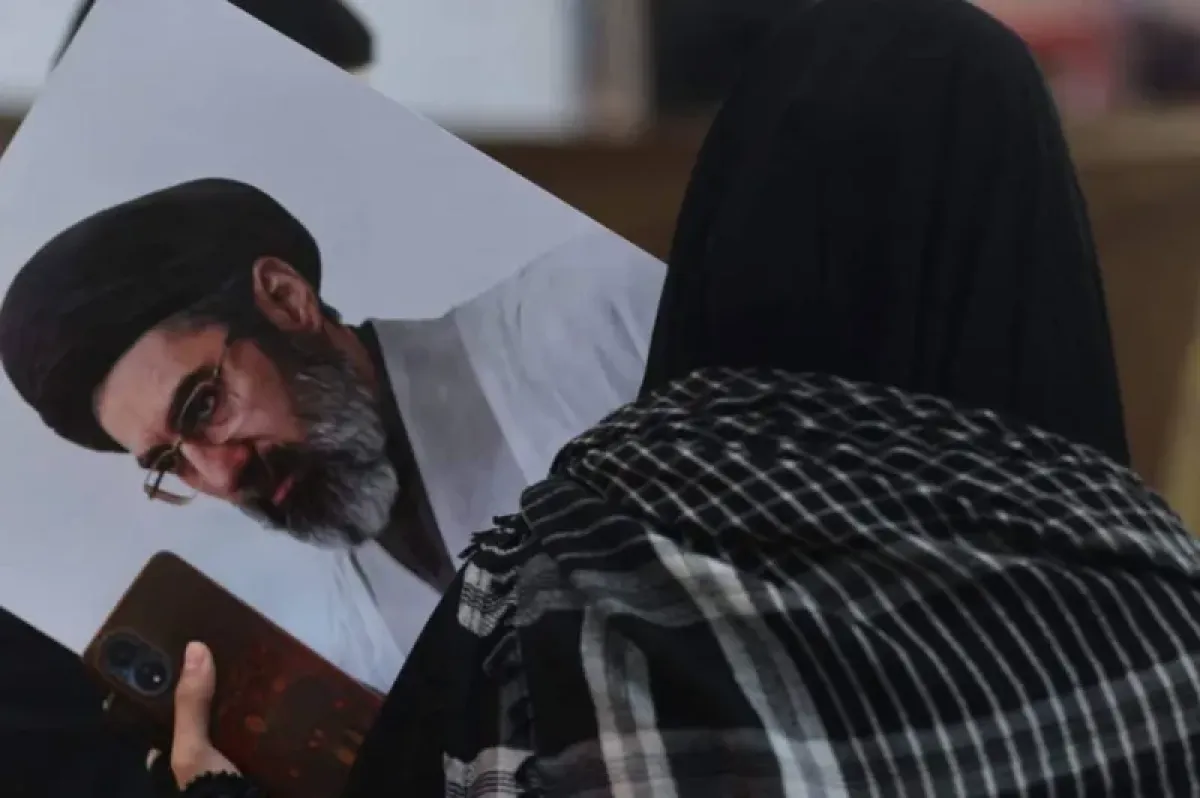
While funeral ceremonies for the late Supreme Leader were held across Iranian and Iraqi cities, the designated successor remained out of public view. This has fueled growing questions about the nature of the transition within the regime and the locus of political and military decision-making amid escalating warfare and external pressures.
Political and military analyses suggest that Mojtaba Khamenei's absence is no longer merely a security matter related to his public profile but has become an indicator of a significant realignment of power centers within the Iranian system, with the IRGC emerging as the dominant force in managing strategic portfolios. Political and military affairs expert Mohannad Al-Azzawi stated that Iran is undergoing a "transformation in choices and paths," emphasizing that the current confrontation transcends traditional military calculations and is reshaping regional power balances.
Al-Azzawi elaborated that the U.S. now views the Strait of Hormuz as a critical component of global economic security, not merely a geographical point in a regional conflict. He noted that Washington has undertaken extensive military measures to protect maritime navigation following attacks on commercial vessels and allied interests. He added that U.S. forces have conducted approximately 170 operations in a short period and remain on high alert, coinciding with Israeli preparations for further operations, underscored by statements from Israeli Prime Minister Benjamin Netanyahu regarding "new matters" in the war and its prolonged nature.
Regarding Iran's pre-escalation maneuvers, Al-Azzawi revealed that Tehran had developed a contingency plan, anticipating disruptions at the Strait of Hormuz. This plan involved bolstering the role of Chabahar Port in collaboration with Pakistan to ensure the continuity of trade and supply lines through the Gulf of Oman. He clarified that this project, which Iran had been developing for about a decade, aimed to reduce its reliance on the Strait of Hormuz, a strategic pressure point that could be exploited against it. However, recent strikes have directly targeted Chabahar Port, thwarting this alternative route and disrupting Iran's military repositioning efforts of the past months, which included relocating units and weapon systems near the coast.
Al-Azzawi pointed out that the strikes were not confined to traditional military sites but also focused on logistical infrastructure, including transportation and railway lines, with the objective of severing supply routes for weapons and drones originating from the East and heading towards operational areas. He believes the U.S. has shifted from traditional deterrence to a strategy of disabling adversaries' capabilities before they expand, noting that the U.S. administration no longer treats Iranian threats as mere bargaining chips.
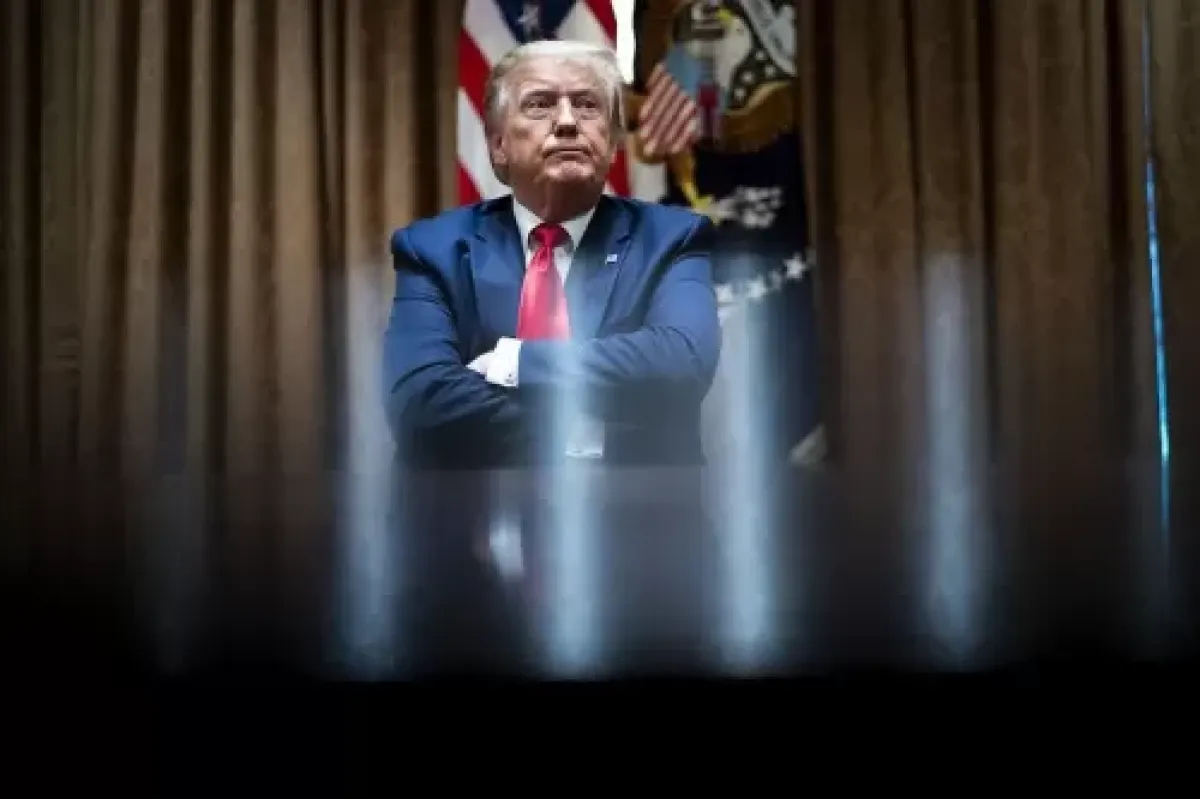
He explained that a division existed within the U.S. administration, with one faction advocating for negotiations and another arguing that past experiences demonstrated that Iranian rhetoric during talks did not necessarily reflect Tehran's true intentions. He indicated that the proponents of military action relied on intelligence reports suggesting Iran was using diplomacy to gain time and reorganize its military capabilities. He also suggested that President Donald Trump's sharp remarks toward Iranian leadership signaled Washington's conviction that political understanding was limited, and engagement with Iran would now rely on direct pressure.
Internally, increasing indications point to the IRGC's expanding influence in managing the current phase, particularly as civilian and political institutions recede before the ascendancy of security and military apparatuses. Al-Azzawi posits that surface appearances of absence or division within the regime do not necessarily reflect the true decision-making process, asserting that the IRGC and its Quds Force have become the most influential entities in managing the war and regional affairs. He added that the network of Iran-linked armed factions in Iraq, Lebanon, and Yemen represents an extension of IRGC influence rather than traditional Iranian state institutions.
He noted a decline in the Iranian Army's role and influence compared to the IRGC, attributing it to resource and salary crises and unequal support between the military and security institutions, indicating a deep internal division within Iran's power structure. He suggested that reports of a support aircraft landing in Yemen might be linked to attempts to reactivate the Houthi movement as part of Tehran's regional pressure strategy through its proxies.
Mojtaba Khamenei's absence from his father's funeral has amplified controversy both within and outside Iran, especially since he has not appeared since being designated as the new Supreme Leader. Media reports suggest Mojtaba Khamenei may have sustained injuries during the strike that claimed the lives of his father, mother, and wife, leading to his disappearance for security reasons, although Iranian authorities maintain he is performing his duties normally. However, his continued absence from public events has raised questions about the nature of his actual role and whether he wields direct power or if decision-making has shifted to a broader circle including IRGC commanders, the Supreme National Security Council, and intelligence agencies. Observers believe Mojtaba Khamenei's appointment occurred under exceptional circumstances that bypassed the traditional systemic process, casting doubt on his internal legitimacy, particularly given criticisms regarding the IRGC's role in influencing his selection.
Al-Azzawi asserts that Iran is experiencing one of its weakest phases in decades, with a decline in its conventional military capabilities and an increased reliance on asymmetric means such as drones and attack boats. He warned that continued engagement with Iran based on its previous image by some regional actors could lead to miscalculations regarding the ongoing transformations within the system. He noted that the Iranian challenge is not solely external but also internal, with increasing signs of division among the political opposition, protest movements, and armed dissidents in certain regions, coupled with declining support from historically supportive economic sectors like the bazaar merchants.
Despite the growing discourse on IRGC dominance, Al-Azzawi dismisses the possibility of a direct military coup, deeming it difficult to execute given the nature of Iranian society and its multiple power centers. However, he affirmed that the upcoming period will witness a redistribution of influence within the regime, leading to greater impact of military and security institutions on decision-making, while the scope for civilian institutions will diminish. Amidst the ongoing escalation with the United States and Israel, Iran appears to face a decisive test, not only of its ability to withstand external pressures but also of its capacity to maintain regime cohesion, at a time when the new Supreme Leader's absence has become symbolic of a broader crisis concerning the future of leadership and power dynamics within the Islamic Republic.