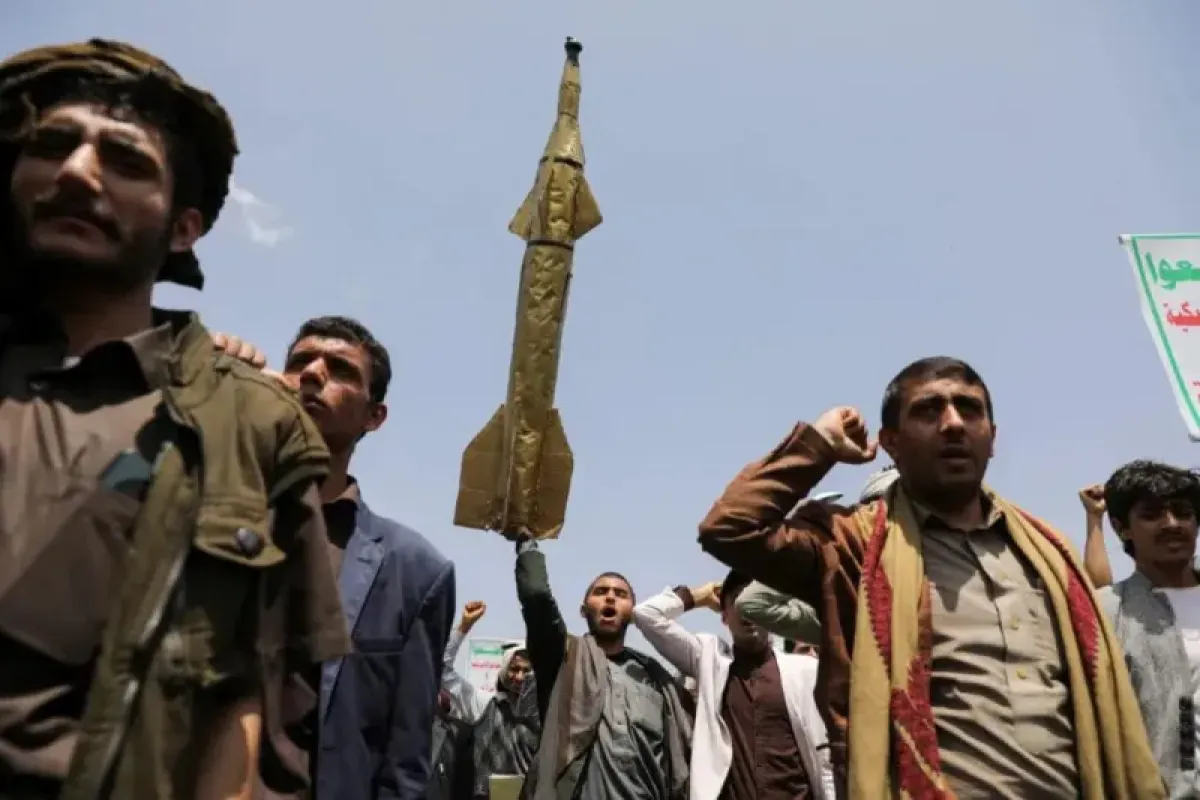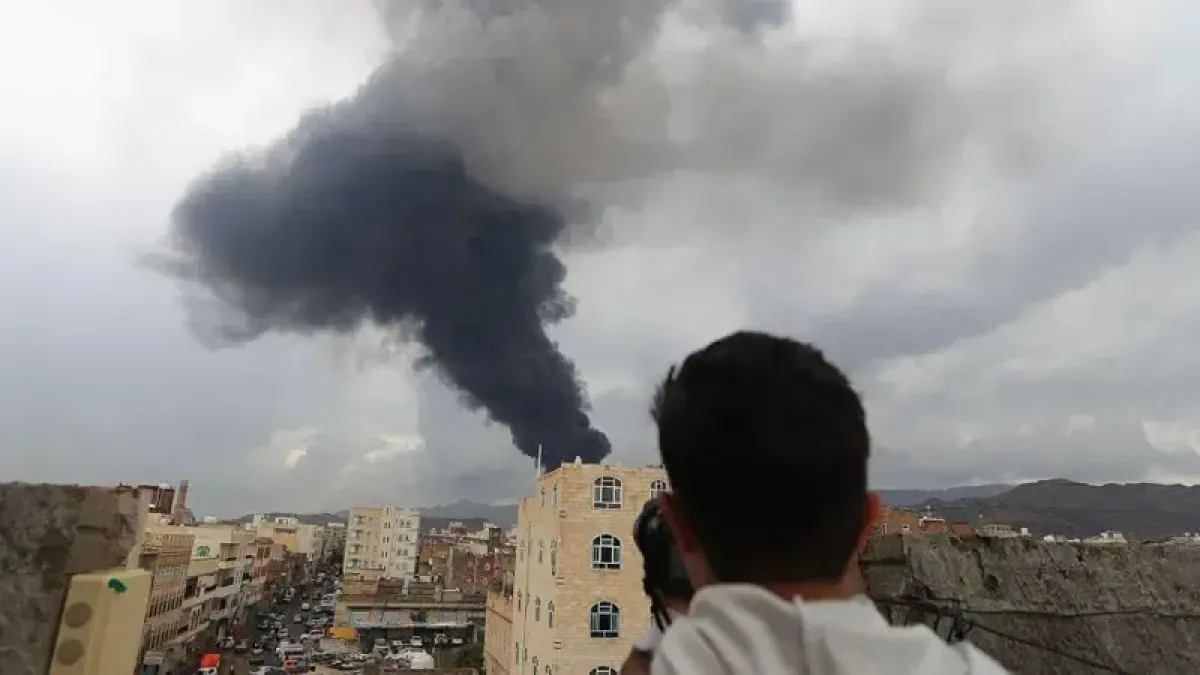
Western media reports indicate that Houthi rebels are increasingly poised to engage directly in the escalating regional confrontation between the United States and Iran. This potential involvement, centered on opening a front in the Red Sea and the Bab al-Mandab Strait, threatens one of the world's most critical maritime passages and could draw a forceful response from the Trump administration.
Analysis from U.S. and British news outlets suggests that Houthi threats to blockade shipping linked to Saudi Arabia are not merely political posturing but could provoke a resumption of extensive military operations against the group. These reports highlight that the Iran-backed militia is strategically leveraging its geographic position as part of a broader Iranian strategy to expand the arenas of conflict, aiming to disrupt global energy supplies and international trade amidst unprecedented tensions in the Persian Gulf.
The Associated Press reported that a Houthi announcement of a blockade on Saudi-related shipping could lead to an expansion of the war with Iran, alongside the disruption of global oil supplies and international trade. The agency noted that the group, previously having targeted specific vessels it claimed were linked to Israel, has in practice attacked ships with no direct connection to the conflict, raising concerns about a repeat scenario in the Red Sea. The mere threat, according to AP, is sufficient to compel global shipping companies to avoid the Bab al-Mandab. Sporadic attacks could cripple navigation in this vital waterway, directly impacting energy markets and international supply chains.
Indicative of the seriousness of the situation, three Houthi officials revealed to AP that the group has been developing a comprehensive plan for months to disrupt navigation in the Bab al-Mandab. This plan reportedly includes deploying naval mines, utilizing explosive-laden boats and drones, and potentially helicopters to seize commercial vessels. Observers view these plans as evidence of a shift from limited attacks to a strategy aimed at transforming the Red Sea into an open war zone, significantly increasing security risks and threatening the global economy.
The New York Times echoed these concerns, stating that the Houthi declaration of a Red Sea blockade targeting Saudi Arabia signals a move closer to direct involvement in the U.S.-Iran conflict, potentially opening a new front. Analysts suggest Tehran is encouraging the Houthis to escalate pressure in the Bab al-Mandab to signal to Washington that Iranian influence extends beyond the Strait of Hormuz to the Red Sea through its proxies in Yemen. Experts believe Iran views the Houthi threat to the Red Sea as a strategic bargaining chip in its confrontation with the United States, enhancing its leverage over global energy markets.
The Guardian corroborated this assessment, observing that Houthi threats in the Red Sea, coinciding with Iranian threats in the Gulf, place Saudi oil exports in a precarious position and increase the likelihood of a dangerous regional crisis escalation. The newspaper reported that Iran had previously urged the Houthis to close the Bab al-Mandab if the U.S. continued to target its facilities, viewing the strait as a strategic counterweight to U.S. pressure in the Strait of Hormuz. The implications have already been felt, with two oil tankers carrying Saudi crude altering course away from Houthi-controlled waters, indicating that markets are perceiving these threats as a tangible risk rather than mere rhetoric.
The Financial Times reported that Houthi threats, backed by Iran, have prompted several vessels to reroute after receiving radio warnings to avoid the Bab al-Mandab if they had docked at Saudi ports, reflecting heightened concerns within the global shipping sector. The Washington Times linked these developments to President Donald Trump's statements, which warned of retaliation against the Houthis if they followed through on their threats. The newspaper suggested that any new U.S. military action against Houthi strongholds would represent a significant expansion of the conflict with Iran, but also demonstrate Washington's resolve to prevent the Red Sea from becoming a zone of coercion that threatens the global economy.
Overall, these Western reports suggest a growing consensus that the Houthis' actions are no longer solely an extension of the Yemeni conflict but are integrated into a broader Iranian strategy to expand regional confrontation by targeting vital maritime routes. The continued threat of naval mines, explosive boats, and drones could lead the U.S. to resume military operations against the Houthis, reinserting Yemen into the heart of the regional conflict and potentially igniting a new confrontation that extends beyond national borders to jeopardize international navigation and the stability of global energy markets.