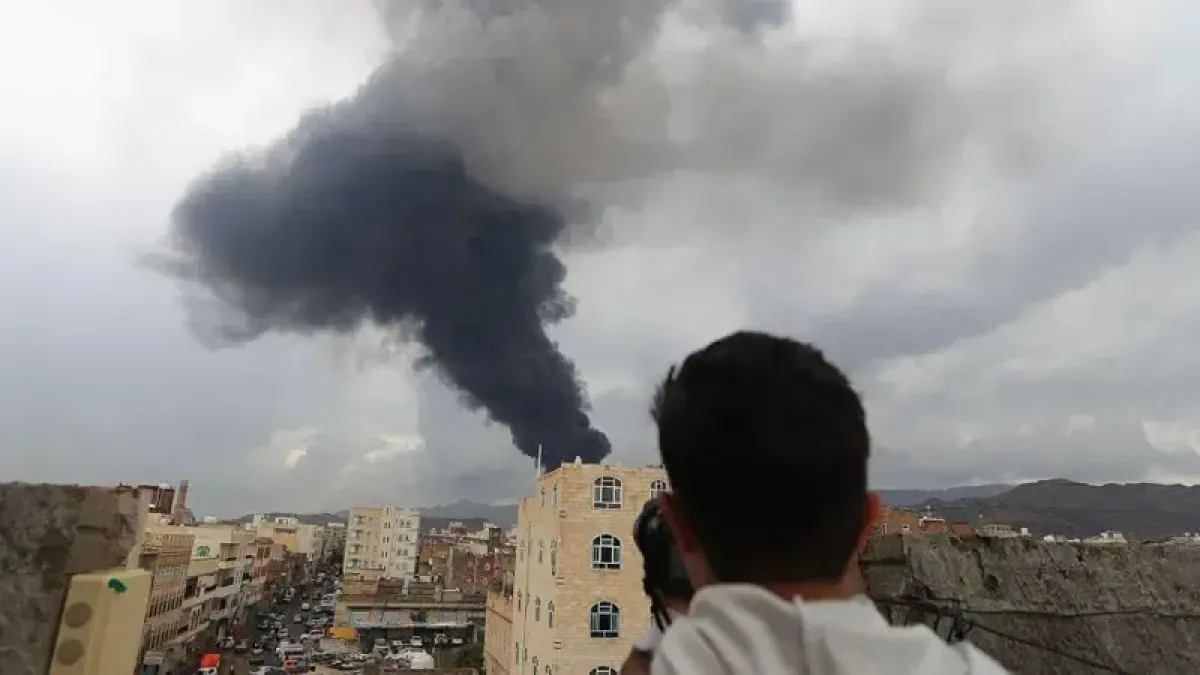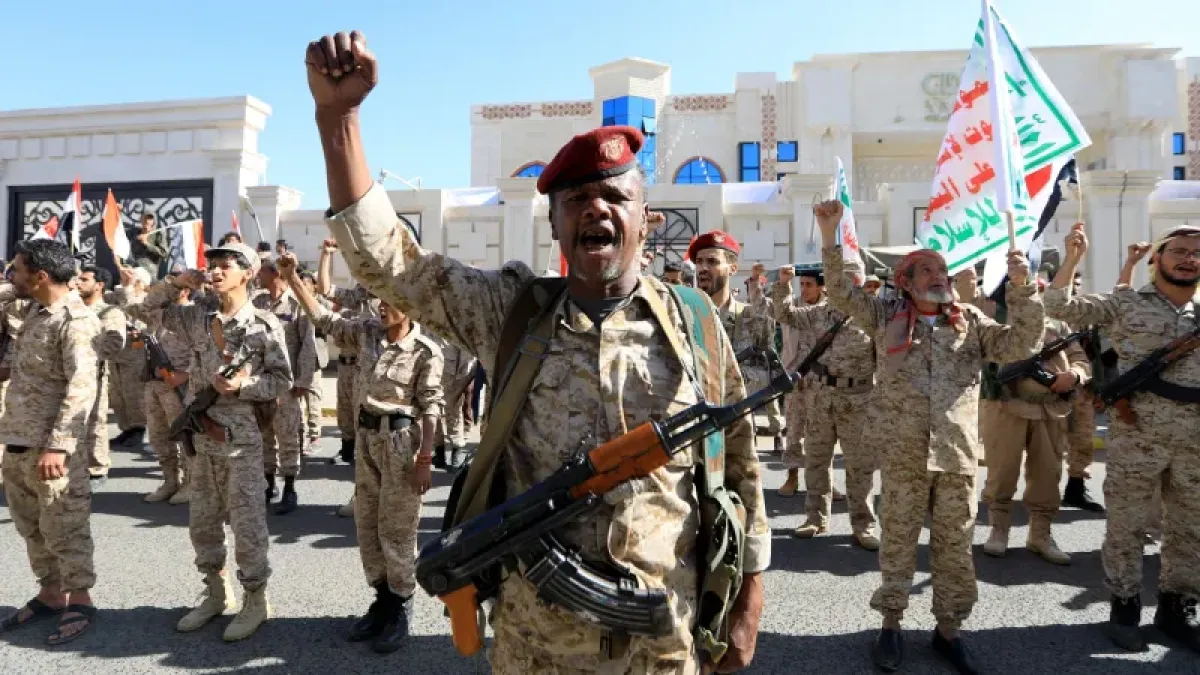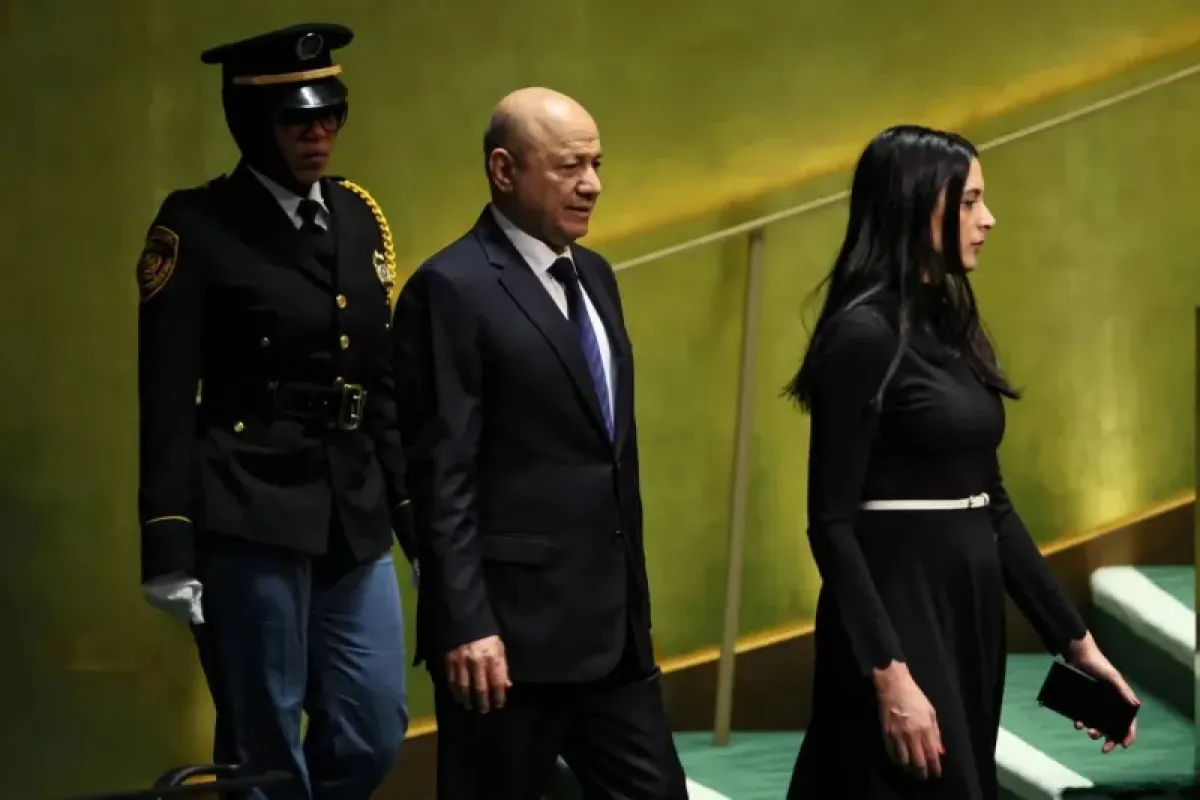
Yemeni Presidential Leadership Council Chairman Dr. Rashad al-Alimi has issued a call for comprehensive national reconciliation and support for the armed forces to end the Houthi coup and restore state institutions. This appeal comes after years of division and state decay, reigniting the struggle to reclaim Yemen.
The call raises critical questions beyond typical political discourse: Has the Yemeni government reached a new phase of determination to restore the state and sovereignty, or is this merely a continuation of political messaging and crisis management? The conflict in Yemen has evolved from a power struggle into a battle over the very concept of the state, pitting a project aimed at rebuilding national institutions based on law against an armed group that has imposed a parallel reality since its seizure of Sanaa.
President al-Alimi's appeal arrives amid a complex regional and international landscape, where the repercussions of the Yemeni crisis extend beyond its borders, affecting maritime security, regional stability, and global trade. Therefore, restoring the state is no longer merely a political slogan but is intrinsically linked to the government's capacity to protect national sovereignty, reactivate its institutions, and regain its economic, military, and political decision-making power.
While the legitimate government has repeatedly affirmed its primary objective of ending the coup and restoring state institutions, the reality on the ground has presented significant challenges. The Houthis have successfully established a system of security, military, and administrative control in their areas of influence. Conversely, the legitimate government has struggled to unify political and military decision-making, strengthen its institutional presence, and present a model that can regain public trust. Observers believe the current phase presents a distinct test for the government, requiring practical steps such as national unity, functional state institutions, an end to fragmentation, and a clear strategy to counter the Houthi project.
The issue of economic resources is a critical test for the Yemeni government, especially following President al-Alimi's announcement of resuming oil exports and directing revenues to serve citizens, pay salaries, and improve services. Sovereignty is measured not only by military control but also by a state's ability to manage its resources, fund its institutions, and provide essential services. The Yemeni economy has faced immense pressure since the halt of oil exports due to Houthi threats, impacting citizens' lives and weakening the state's capabilities. Therefore, restarting national resource operations is a fundamental step toward restoring the state's role.
The government views the Houthi movement not just as a political faction but as a project seeking to impose a de facto authority outside state institutions, controlling state bodies, resources, and using force to impose its political choices. The government emphasizes that ending the coup involves more than reclaiming cities or military positions; it requires restoring the concept of the state and dismantling any parallel authority. However, this task is complicated by the Houthis' considerable military and security capabilities, honed over years of conflict.
The paramount challenge for the legitimate government is its ability to unite the anti-Houthi forces and components within a comprehensive national project. Past experiences have shown that political divisions and internal disputes have significantly weakened the state's front, allowing the Houthis to expand their influence. Analysts suggest that any serious endeavor to restore the state necessitates transcending narrow interests, building genuine national partnership, and presenting a model distinct from years of conflict and division. The question arises: Does President al-Alimi's recent call signal a new phase? The answer hinges on the government's capacity to transition from political statements to tangible actions that restore the state's presence and authority.