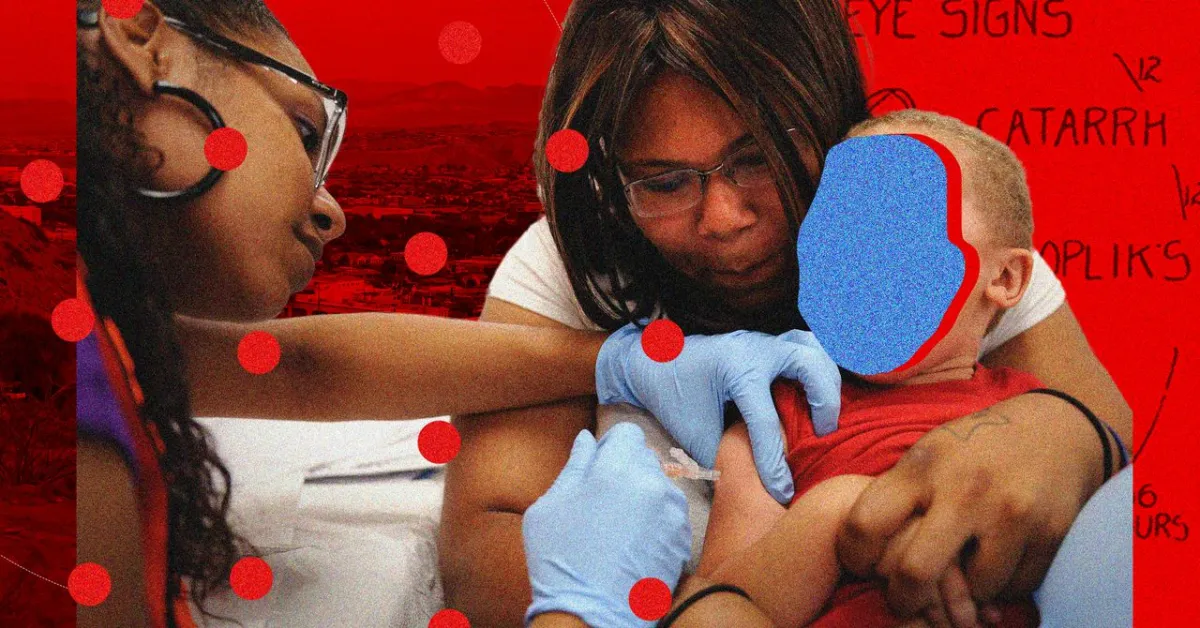
The United States is facing a resurgence of measles, with confirmed cases hitting a 35-year high and exceeding the combined total of the previous 25 years. This alarming trend, fueled by declining vaccination rates and domestic outbreaks, means the US may no longer meet the criteria for measles elimination as a public health threat.
For the first time in a quarter century, the US is struggling to contain measles outbreaks, with some lingering for over a year. This year and last, nearly 400 people have been hospitalized, three have died, and at least three suffered severe brain swelling. The Centers for Disease Control and Prevention is finalizing a comprehensive study, with a scientist confirming ongoing transmission, which will be reviewed by a national committee and then the Pan American Health Organization. Experts anticipate the US will lose its measles elimination status this fall.
Pediatricians on the front lines in Utah are sharing harrowing accounts of treating unvaccinated children suffering from measles complications. Dr. Emilie Morris describes children in severe respiratory distress, dehydrated and appearing "glazed over." Dr. Nathan Money highlights the increased medical interventions, including painful procedures like lumbar punctures, required for unvaccinated children due to their higher risk of life-threatening illnesses such as sepsis and meningitis.
Doctors recount the devastating impact of measles on children and their families. Dr. Trahern W. Jones describes a child's severe, persistent cough and struggle to breathe, while parents express regret and shame for not vaccinating, often due to misinformation or past negative experiences. Some families face immense financial burdens due to lack of insurance, further complicating their access to essential medical care, including oxygen and pneumonia treatment. The breakdown of trust between physicians and families is evident, with doctors struggling to convey the severity of the illness and the importance of prevention.
The rise in vaccine hesitancy is multifaceted, with younger parents often influenced by "research" on social media that confirms their fears. Pediatricians emphasize that while individual children might not face severe consequences from avoiding vaccines, the collective impact on public health is dire, leading to preventable hospitalizations and deaths. Concerns about autism, often cited as a reason for vaccine hesitancy, are consistently refuted by scientific evidence. Doctors stress that their recommendations are not politically motivated but based on rigorous scientific processes and the consensus of major medical organizations.
Rebuilding trust is a complex but crucial endeavor. Doctors advocate for consistent, clear messaging from leadership at all levels, public health campaigns, and policy changes to support vaccination. They urge a compassionate approach when discussing vaccines, focusing on building relationships with families and addressing their specific concerns rather than simply citing facts. The hope is to reverse the current trend and prevent the return of diseases that were once thought to be eradicated, ensuring the safety and well-being of future generations.