The Yemeni government, led by Prime Minister Shayea Al-Zindani, is placing significant emphasis on resuming oil exports as a critical strategy to address the nation's severe financial and political crisis. This commitment was underscored by a recent meeting in Aden chaired by Al-Zindani, focused on the executive measures required to restart crude oil shipments.
The high-level committee for oil marketing convened to discuss the technical, administrative, and logistical preparations for resuming export operations. The meeting, attended by the Governor of the Central Bank of Yemen, Ahmed Ghaleb, aimed to ensure effective coordination among relevant authorities for a swift and efficient restart.
Prime Minister Al-Zindani reiterated the government's clear vision to implement directives from the Presidential Leadership Council Chairman, Rashad Al-Alimi. He emphasized that resuming oil exports is a sovereign national imperative and an inalienable right of the Yemeni people to benefit from their resources, stating that all possible means would be employed to achieve this goal.
Al-Zindani affirmed that the revenues generated from oil exports would be allocated towards serving citizens nationwide, prioritizing essential government obligations, salary payments, service improvements, and economic stabilization. He urged the committee and relevant bodies to expedite implementation, provide regular progress reports, and foster teamwork to overcome challenges and ensure exports are conducted with efficiency and in protection of national interests.
The committee's discussions highlighted the resumption of oil exports as a top national and governmental priority, essential for bolstering public resources, achieving economic recovery, and enabling the state to fulfill its duties. They also stressed the importance of balancing export activities with meeting the domestic market's demand for oil derivatives and electricity generation requirements.
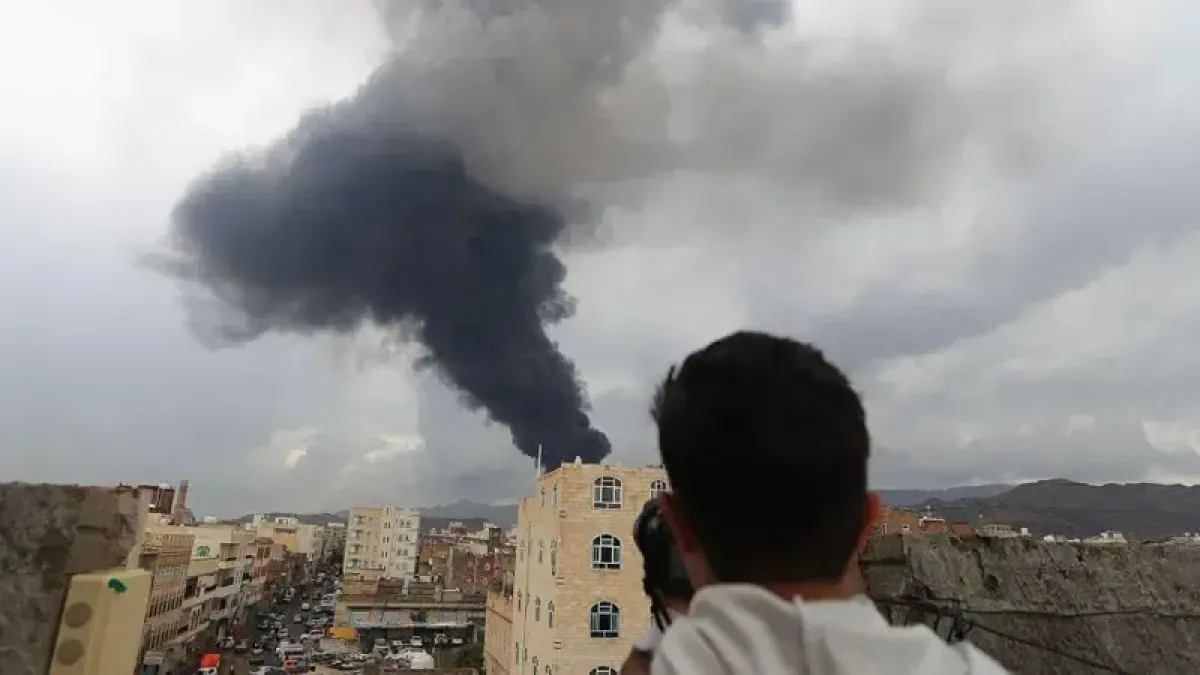
This strategic move by the government comes in response to a crippling financial crisis exacerbated by the cessation of oil exports following Houthi attacks on export terminals in October 2022. The Central Bank of Yemen's recent report on the 2025 fiscal year revealed a substantial budget deficit of approximately 50%, attributed to a severe decline in general revenues, including zero oil revenue for three consecutive years. Oil exports previously accounted for approximately 70% of government revenue.
While official figures on pre-suspension production and export volumes remain scarce, recent statements from the Minister of Oil, Mohammed Bamqa, suggest current production from fields in Shabwa, Hadramaut, and Marib could range between 51,000 and 63,000 barrels per day. Approximately 1.7 million barrels are reportedly stored and ready for export at the Al-Dhaba oil facility. The Minister also indicated potential production increases of 25-30% upon successful resumption of exports, noting that the halt had caused technical production issues. With global oil prices currently elevated due to regional tensions, the government anticipates significant revenue generation, potentially reaching around $1.7 billion annually based on current production estimates and an average barrel price of $80, compared to $60 before the suspension.