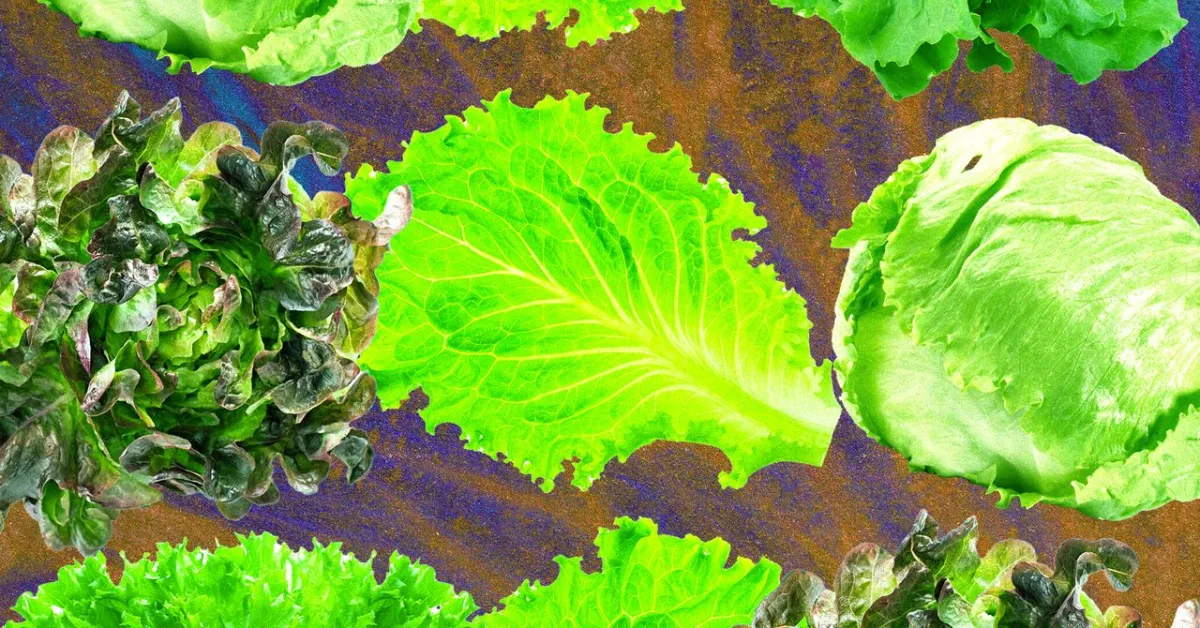
A widespread cyclosporiasis outbreak, which has affected over 7,100 people in Michigan alone, is strongly linked to iceberg lettuce from Taylor Farms, highlighting a recurring issue with leafy greens in foodborne illnesses.
This latest incident adds to a concerning pattern. Leafy greens have been frequently implicated in foodborne outbreaks, including a 2022 E. coli outbreak tied to romaine at Wendy's, norovirus cases linked to D.C. Cobb's in Illinois, a 2021 Salmonella recall by BrightFarms, and a significant E. coli outbreak in 2019 involving romaine from California's Salinas Valley. Notably, this isn't the first cyclospora outbreak connected to lettuce; in 2020, Fresh Express salad kits were linked to over 700 cases of the parasite.
According to the CDC, produce accounts for nearly half of reported foodborne illnesses, with leafy vegetables often topping the list. Lettuce, being the second most consumed vegetable in the U.S. after potatoes, is a staple in countless dishes, from fast food sandwiches to pre-packaged salads, increasing its potential to spread contaminants widely.
The risk is amplified by ready-to-eat salads and spring mix blends, which combine greens from various sources. If any single component is contaminated, it can spread throughout the entire package. Furthermore, the way lettuce is cultivated can expose it to pathogens. Research suggests contamination can originate from untreated irrigation water, particularly when applied through overhead spray systems.
Lettuce's popularity stems partly from its crisp texture, but this also makes it vulnerable. Because it's typically consumed raw, there's no "kill step" like cooking or pasteurization to eliminate potential contaminants. The intricate folds and crevices of lettuce leaves also provide hiding places for pathogens, making them difficult to remove even with pre-washing at manufacturing facilities.
Experts emphasize the importance of thorough washing. "If you don't wash these products well, you're going to end up ingesting whatever is on the lettuce," stated Amira Roess, an epidemiologist at George Mason University. For tenacious parasites like cyclospora, which have resistant outer walls, vigorous scrubbing is recommended to ensure safety.