President Donald Trump has achieved a significant diplomatic success with Hamas agreeing to disarm but remains entangled in the conflict with Iran, struggling to find an effective exit strategy. Five months into the engagement, Trump's options appear severely limited, suggesting an increasingly improvisational approach to foreign policy.
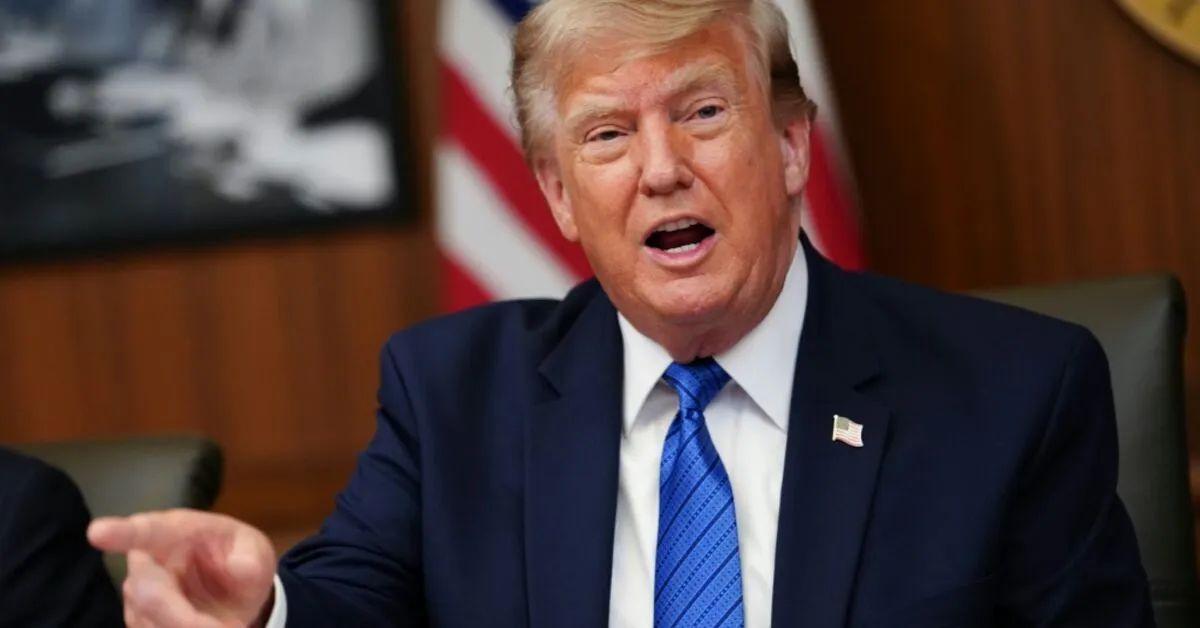
In response to Iranian attacks on bases housing U.S. forces in Jordan, Trump stated on Wednesday, "We're going to be hitting them very hard because it's our turn to hit them." This indicates a continued reliance on air strikes to pressure Tehran, an approach that has thus far failed to compel capitulation. The widening conflict across Iraq, Saudi Arabia, and even Egypt has placed the U.S. President in a strategic impasse. A meeting with his cabinet at Camp David on Friday yielded no public indication of a strategy shift.
According to NBC News, citing unnamed U.S. officials, Trump expressed significant frustration and exasperation with his limited options during a recent White House meeting. The situation is largely contingent on Iran's actions. Following coordinated U.S. and Israeli strikes on February 28, which resulted in the deaths of numerous Iranian officials including Supreme Leader Ali Khamenei, the intended outcomes for Trump have not materialized.
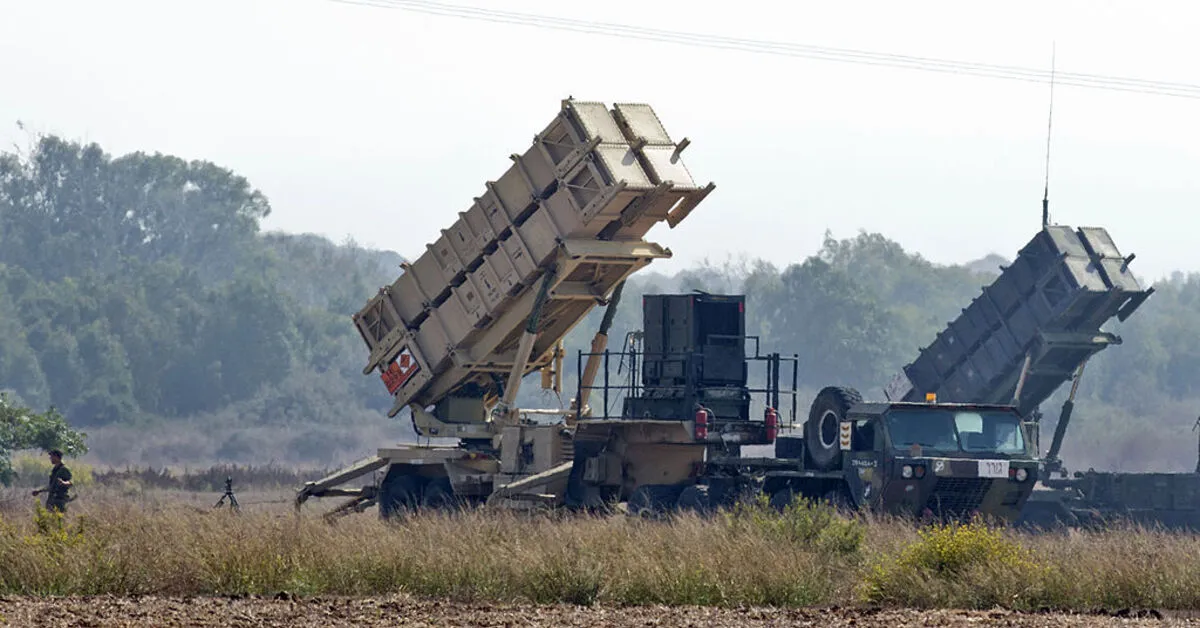
The conflict, initially framed by Trump with a four-to-six-week timeline to prevent Iran from acquiring nuclear weapons, has evolved. While U.S. officials assert that key military objectives, such as degrading Iran's navy and ballistic missile capabilities, have been met, the focus has shifted to the Strait of Hormuz, where Iran has disrupted maritime traffic. An agreement reached on June 17 to cease hostilities has since collapsed. The U.S. military continues to conduct strikes on Iranian targets, met by retaliatory actions from Iran's Revolutionary Guards against U.S. bases and regional allies.
Richard Haass, former president of the Council on Foreign Relations, noted in a Friday newsletter, "It is hard to see why this approach would work now when it hasn't worked over the past five months." Karen Young, a senior fellow at the Middle East Institute, cautioned that the conflict is in its early stages and advised preparedness for prolonged disruption, stating, "This is a conflict that has no quick solutions really, even with a regime transition that could lead to more instability in the region rather than less." Attacks on Saudi Arabia and other Gulf states have further weakened the region.
The war is increasingly unpopular within the United States, exacerbated by rising gasoline prices. Polling data compiled by Nate Silver indicates that 58.3 percent of Americans oppose the war, a figure that has steadily increased since March, with 37.4 percent in support. This issue carries significant political weight ahead of the November midterm elections, which historically pose challenges for the incumbent party and could see Republicans lose control of the House and Senate. Alex Vatanka, another Middle East Institute fellow, described the situation as a "lose-lose equation" where neither side is benefiting.