The Yemeni government has elevated readiness levels within its transport and health sectors in response to escalating Houthi attacks targeting vital infrastructure, including the port of Mocha, civilian facilities, and commercial vessels in the Red Sea.
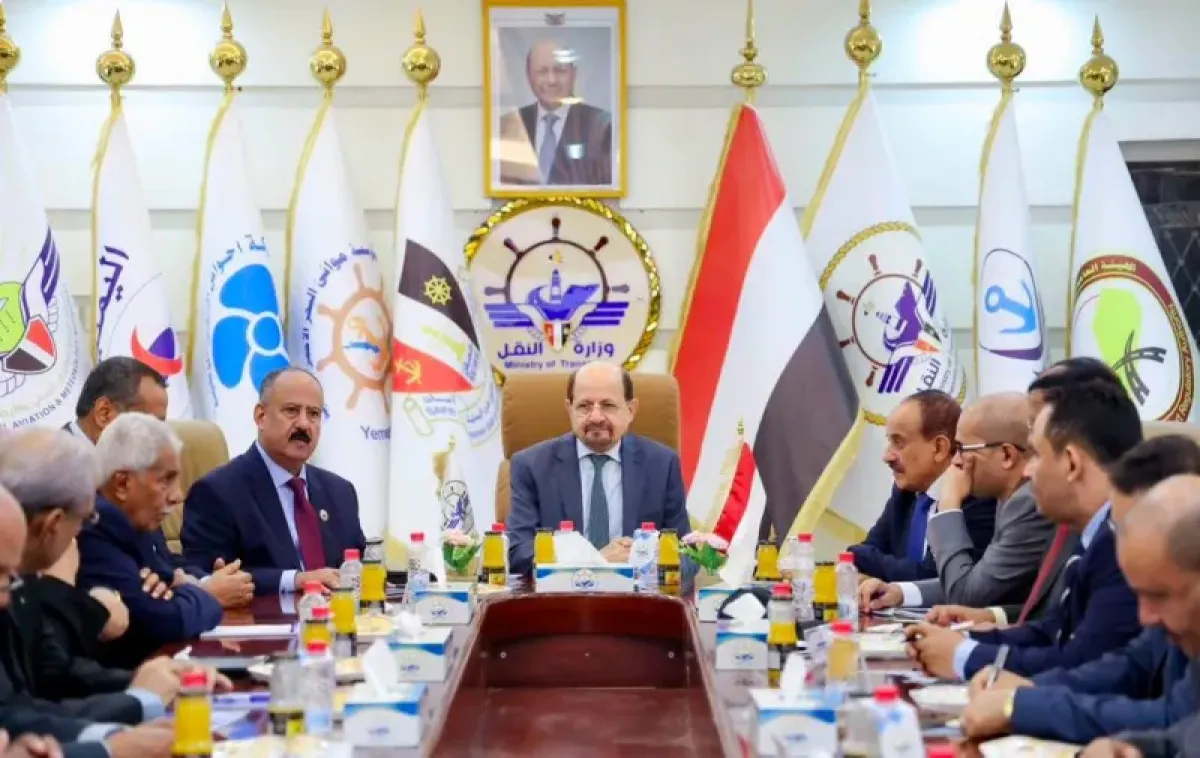
These governmental measures are intended to prepare for any emergent developments that could disrupt transportation and trade or strain healthcare services amidst the heightened assaults on ports and critical installations. Prime Minister Shayea Al-Zindani convened a meeting with the leadership of the Ministry of Transport and its affiliated bodies in the capital, Aden, to review the sector's status and contingency plans.
Al-Zindani emphasized that the Houthi targeting of ports and civilian facilities, particularly the Mocha port, along with attacks on commercial ships and threats to navigation, constitutes a grave escalation that harms the national economy and citizens' interests, extending its danger to international maritime security and trade. He instructed the Ministry of Transport to enhance coordination and readiness, implementing necessary measures to safeguard vital infrastructure, ensure the continuity of passenger and cargo movement, and mitigate the impact of potential attacks.
The port of Mocha is currently facing direct repercussions from Houthi attacks, posing challenges to the transport sector that extend beyond infrastructure protection to ensuring supply chain continuity and trade flow. Disruptions to ports invariably increase transportation costs, commodity prices, and affect the livelihoods of associated workers.
Concurrently, Al-Zindani stressed the necessity of transitioning from temporary solutions to comprehensive reforms in the land, sea, and air transport sectors. He underscored the importance of restoring the port of Aden to its pivotal role and bolstering its operational, technical, and administrative capacities through private sector partnerships.
In a related development, the Minister of Health, Qassem Buhaibeh, issued directives on Sunday to raise the readiness and preparedness levels across the health sector in various governorates. This includes cataloging available resources, securing medical supplies, and developing plans to manage potential surges in hospital demand.
The synchronized actions in the transport and health sectors highlight the expanding ramifications of the Houthi escalation, which now threatens not only military fronts but also ports, navigation, and essential services. This presents the government with a dual challenge: protecting infrastructure from attacks and addressing systemic deficiencies that exacerbate the vulnerability of service and economic sectors to crises.