Southern California is anticipating its hottest week of the year, with forecasters warning of an intense heatwave set to begin Tuesday and persist through Friday. The National Weather Service has issued alerts highlighting a significant risk of heat-related illnesses as temperatures are expected to reach extreme levels across the region.
Forecasters describe the upcoming period as potentially the hottest of an already unusually warm year. In downtown Los Angeles, where temperatures reached 96 degrees Fahrenheit on Sunday, highs are projected to range between 96 and 98 degrees through Friday, with a slight dip to 94 on Saturday. Ryan Kittell, a meteorologist with the National Weather Service in Oxnard, stated that for much of Los Angeles, this week will likely be the peak of the year's heat. Inland valleys could experience temperatures between 100 and 110 degrees, while coastal areas can expect highs between 80 and 90 degrees, even near the beaches.
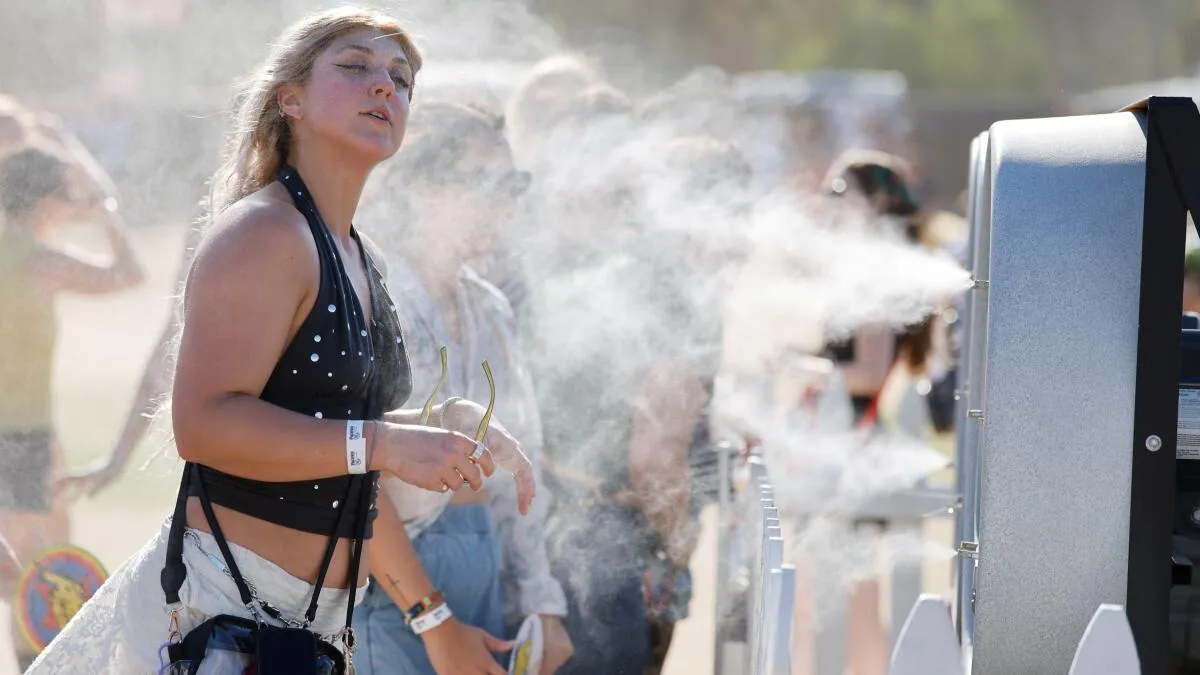
The National Weather Service strongly advises residents to take precautions, including drinking ample fluids, staying in air-conditioned environments whenever possible, avoiding prolonged sun exposure, and checking on the well-being of vulnerable relatives and neighbors. The agency also stressed the heightened threat of wildfires during such conditions.
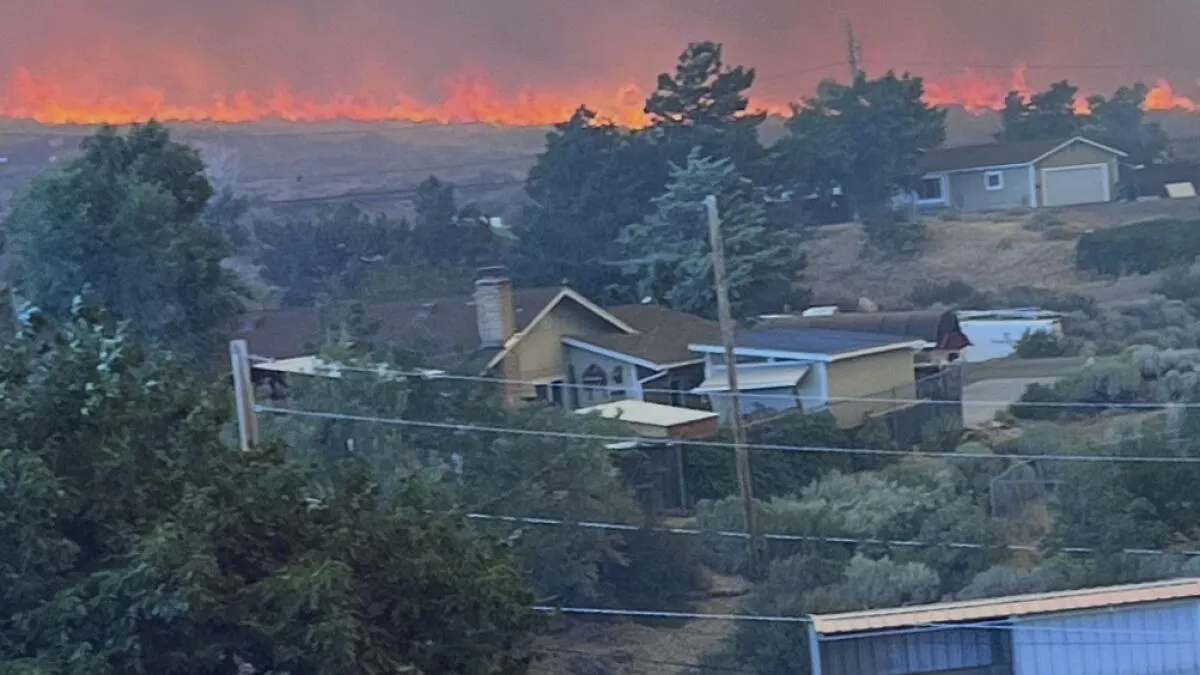
The phenomenon is attributed to high pressure aloft, causing "compressional warming," exacerbated by a shift in winds to a more northerly direction, which further elevates temperatures. While Santa Ana winds are not a factor, Kittell noted that historically, extreme heat has often preceded large wildfires. The National Weather Service categorizes heat alerts from advisories to extreme heat warnings, indicating progressively more dangerous conditions.
Death Valley is also experiencing extreme temperatures, with Furnace Creek recording 121 degrees Fahrenheit on Sunday. Projections for the coming week show highs between 119 and 120 degrees, with overnight lows remaining in the mid-90s. This severe heat underscores the urgency of the safety recommendations, as a recent fatality in Death Valley National Park was linked to the extreme temperatures.