Diplomatic efforts are intensifying to reopen the Strait of Hormuz, six months into the conflict between the United States and Iran, as freedom of navigation through this strategic waterway has become a significant obstacle to any potential resolution between Washington and Tehran.
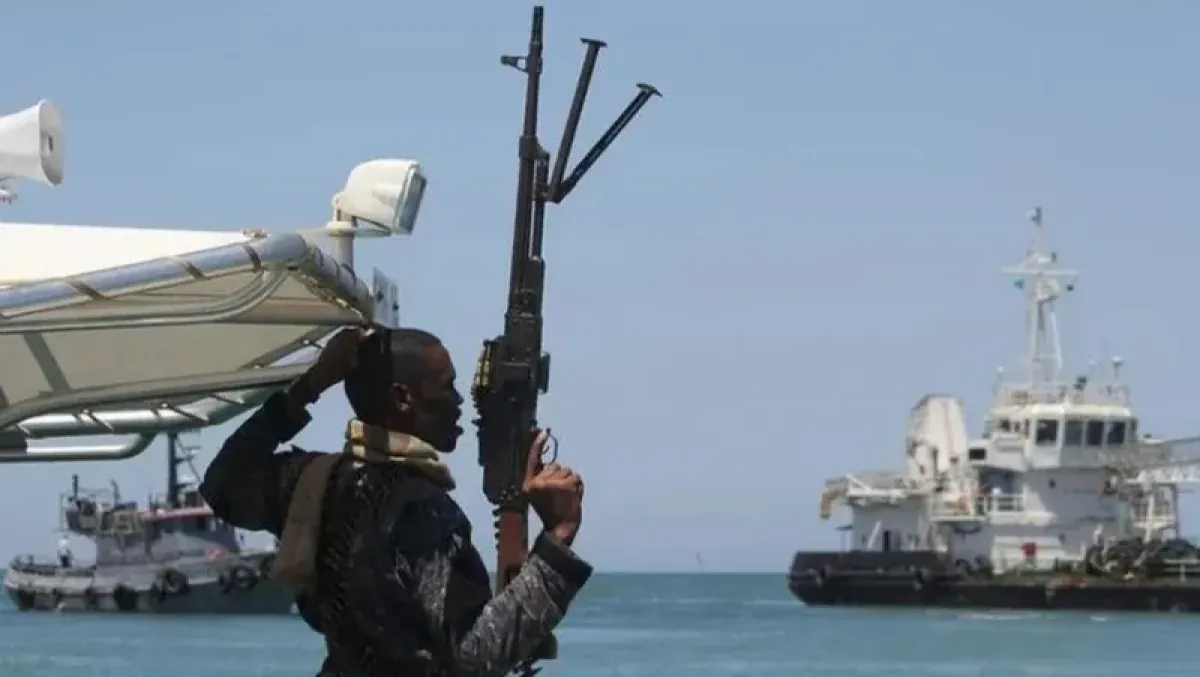
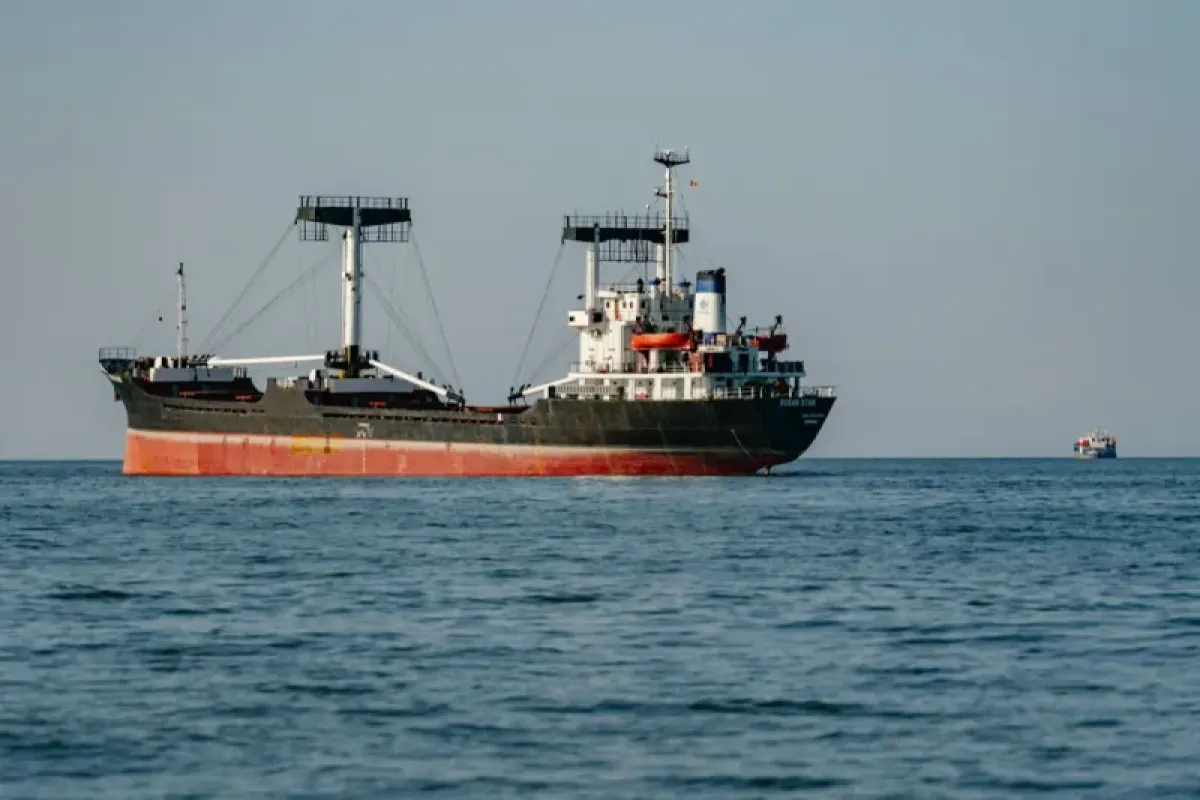
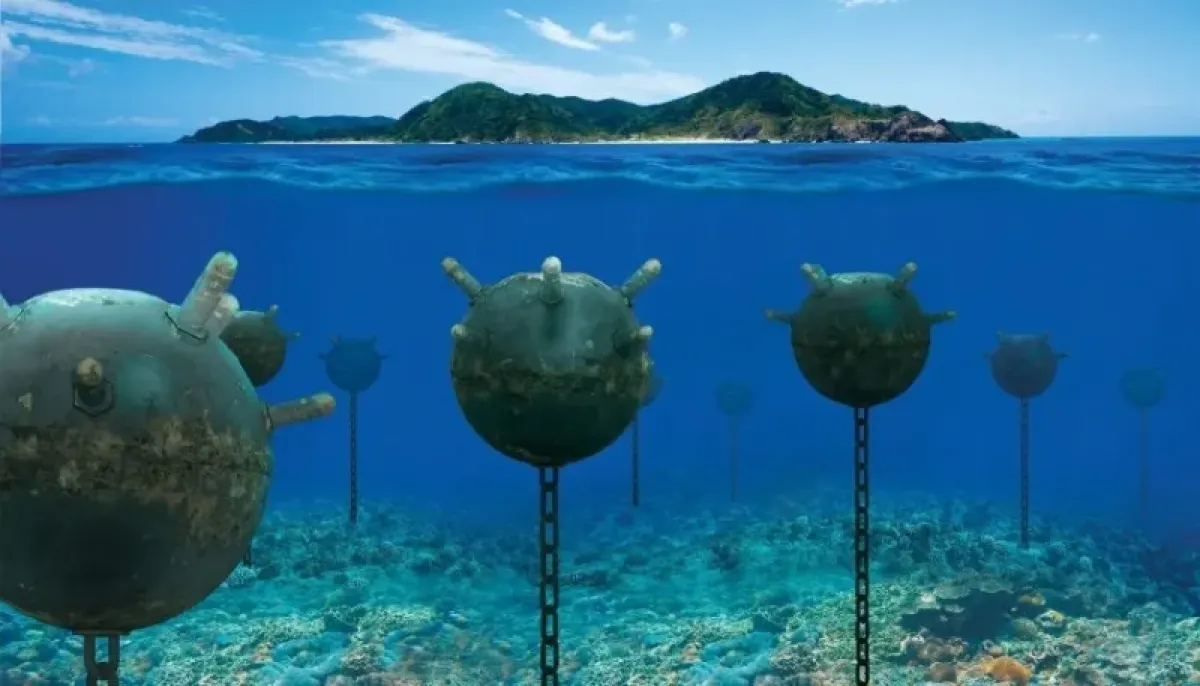
These initiatives coincide with ongoing security concerns regarding the strait, following a series of incidents targeting commercial vessels. Warnings persist about the potential presence of naval mines in parts of the vital passage, despite U.S. President Donald Trump's assertion that the strait is secure and that mines have been cleared.
According to reports, reopening the Strait of Hormuz has become a primary objective for the Trump administration after six months of conflict, a stark contrast to initial U.S. estimates that military operations would last only a few weeks. While the intensity of military operations has decreased compared to the early stages of the war, Washington is increasingly relying on sanctions and economic pressure to compel Tehran to make concessions, while keeping the military option available should political avenues fail.
This situation unfolds as Washington maintains that its core objective remains unchanged, while Tehran views U.S. sanctions as economic warfare aimed at crippling its economy and forcing it to accept American terms. This dynamic reflects a gradual shift in the confrontation from battlefields to economic and maritime domains, with the Strait of Hormuz serving as a mutual point of leverage between the two parties, given the impact of any prolonged disruption to shipping on global energy markets and trade.
In an effort to break the stalemate, regional nations, notably Qatar, Oman, and Pakistan, have engaged in mediation. Qatari Prime Minister and Foreign Minister Sheikh Mohammed bin Abdulrahman Al Thani visited Tehran to revitalize diplomatic channels, discussing de-escalation and freedom of navigation in the Strait of Hormuz with Iranian officials. This visit followed Omani initiatives, with Doha having previously played a role in securing a temporary ceasefire between the adversaries.
Efforts are also focused on a proposal to establish a temporary maritime corridor in the strait, alongside arrangements for mine clearance. This approach seeks to compartmentalize navigation issues from more complex political and military matters. Reports suggest that Iran and Oman are still finalizing details concerning the strait, indicating that full restoration of navigation remains contingent on unripened understandings.
The impediment to reopening the strait is not solely political; maritime risks present an additional challenge to restoring normal commercial shipping. The International Maritime Organization confirms that dozens of incidents have occurred in and around the Strait of Hormuz since the conflict began, with its latest data showing 68 confirmed incidents and 19 seafarer fatalities as of August 21, underscoring the persistent dangers to navigation.
Amidst these risks, naval mines emerge as one of the most formidable obstacles to rebuilding confidence among shipping companies. A mere declaration of the corridor's reopening does not guarantee its safe use by commercial vessels. Despite President Trump's assurances of a mine-free strait, some U.S. allies maintain that the clearance operation may not have eliminated all risks. Meanwhile, U.S. Central Command affirms that internationally recognized transit lanes are clear of Iranian naval mines.
The discrepancy between American reassurances and maritime warnings highlights a gap between the political desire to announce the resumption of navigation and the practical complexities of its implementation. Any U.S. declaration of a secure strait requires more than mine removal; it necessitates maritime and air protection for vessels, enhanced confidence from insurers and operators, and guarantees against further attacks.
In this context, European nations, including the United Kingdom and France, are considering broader arrangements to contribute to securing navigation and mine clearance, complementing regional diplomatic efforts. Despite intensive regional engagement, Washington maintains that direct negotiations with Tehran have not resumed, with both sides holding divergent positions on sanctions, the future of the nuclear program, and control of the Strait of Hormuz.
Recent developments suggest that mediation efforts are attempting to build a phased settlement, beginning with the most urgent issue—freedom of navigation—before addressing broader political and military concerns. However, continued maritime incidents, disagreements over strait arrangements, lingering doubts about mines, and escalating U.S. sanctions complicate the path toward fully reopening the Strait of Hormuz.