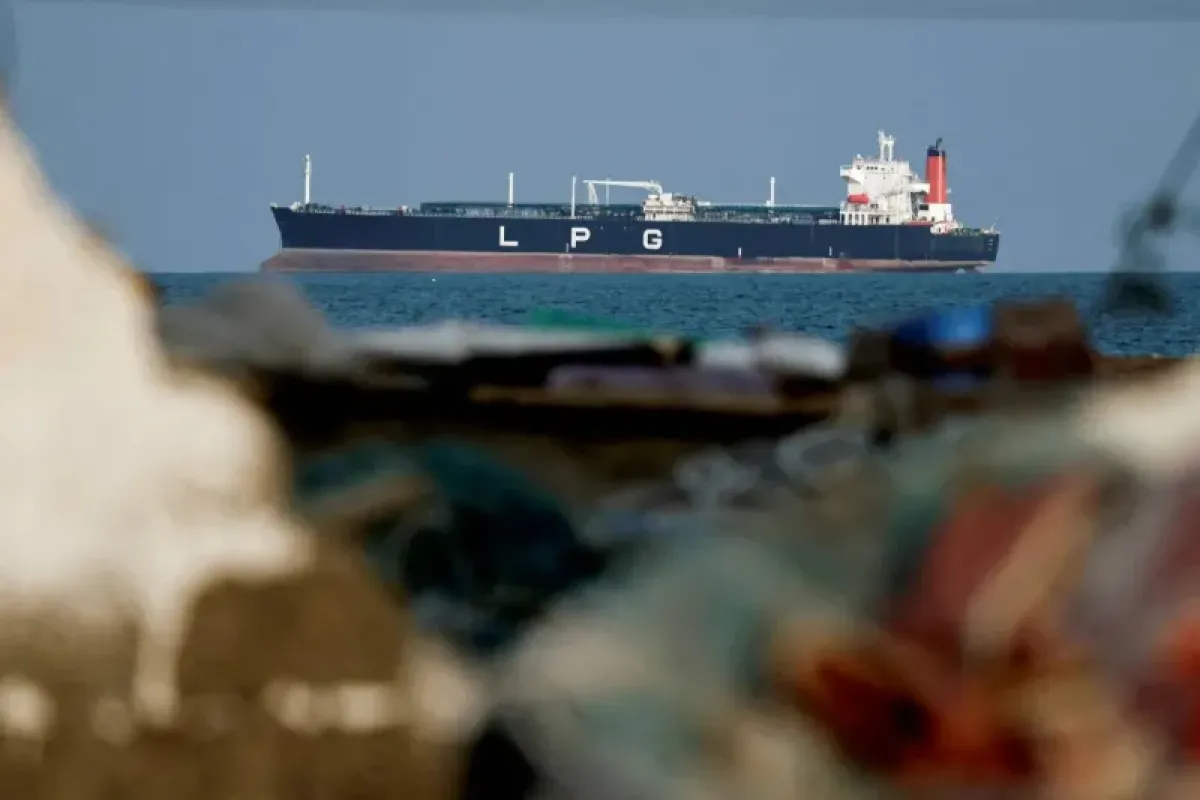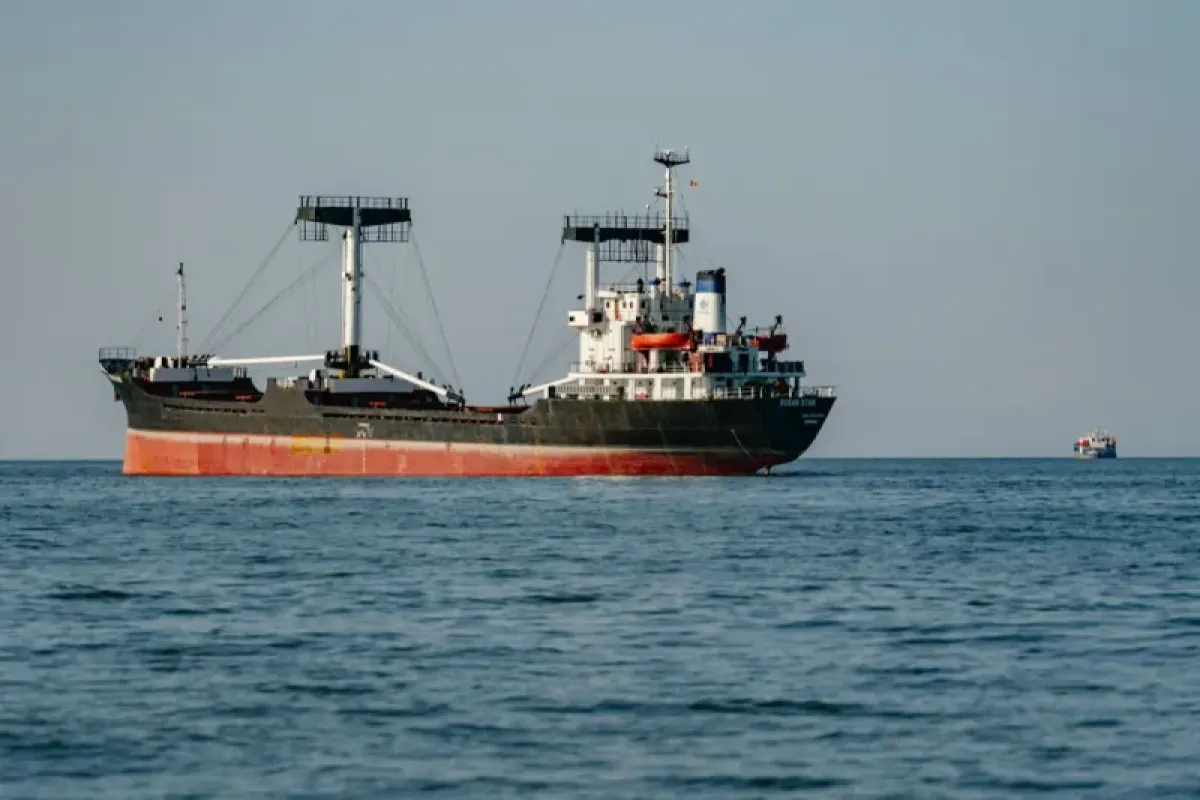
Iran's economy faces significant challenges as the Central Bank governor confirms near-total cessation of oil exports due to U.S. maritime sanctions, threatening a crucial source of foreign currency and straining Tehran's ability to fund imports and financial obligations.
Abdolnaser Hemmati, Governor of the Central Bank of Iran, stated on Iranian television that oil exports have "almost stopped." He acknowledged that the government and central bank had prepared for such a scenario but conceded that the nation is enduring simultaneous pressures, including sanctions, maritime blockades, the halt in oil exports, and budget deficits.
This statement highlights Tehran's continued reliance on oil revenues, despite years of sanctions that prompted the development of sophisticated shipping and sales networks to circumvent restrictions. With export flows halted or severely diminished, the issue extends beyond crude production to Iran's capacity to transport, sell, and convert proceeds into usable financial resources.
The situation is exacerbated by Tehran's limited ability to access its offshore financial reserves. Unlike other nations that can compensate for export declines by drawing on external assets, Iran faces U.S. restrictions that impede access to substantial portions of these funds. This creates a dual economic squeeze: a decline in new oil revenues coupled with difficulties in utilizing existing foreign reserves, potentially narrowing the Iranian government's maneuvering room for financing imports, public spending, and maintaining currency market stability.
The repercussions extend beyond public finance. A reduction in foreign currency inflows risks intensifying pressure on the Iranian rial and increasing the cost of imports, which could affect prices and purchasing power in an economy already grappling with inflation, recession, and accumulated fiscal imbalances. Recent reports indicate rising concerns within Iran about hyperinflation, increasing wage arrears, and declining economic activity.
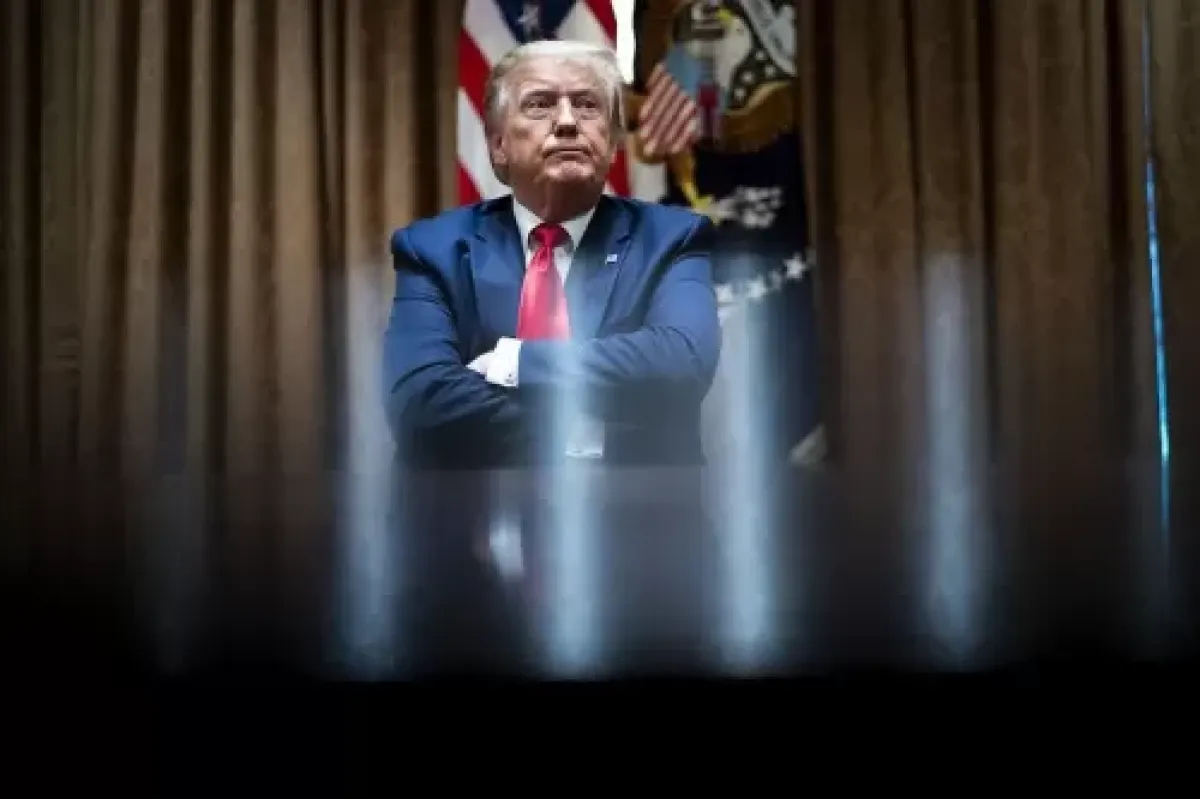
These developments coincide with an escalation of U.S. economic pressure on Tehran. U.S. President Donald Trump has declared an "economic war" and vowed widespread isolation against Iran, threatening significant economic consequences for countries and entities that provide Tehran with financial, oil, or commercial outlets. The impact of this escalation is also evident in energy markets, with oil prices showing strong weekly gains amid concerns over potential disruptions to Iranian supplies and rising tensions around the Strait of Hormuz, indicating that pressure on Tehran carries a cost for global markets.
The primary challenge for Iran remains the resilience of its economy under sustained pressure. A prolonged disruption of exports will diminish the government's capacity to secure foreign currency, while increasing the cost of budget financing and securing essential goods. Conversely, resorting to borrowing or increasing liquidity to address deficits could exacerbate inflationary pressures rather than resolve them.
The halt in oil exports is not merely an energy sector crisis but a cascading pressure on Iran's economic lifeline, originating from oil revenues and extending to the currency, budget, trade, and prices. As the blockade persists, Tehran will face a more difficult test of its ability to circumvent restrictions and preserve its financial resources without descending into a broader economic crisis. The trajectory of the confrontation between Washington and Tehran remains a critical factor; the longer the blockade and trade restrictions endure, the less room for maneuver Iran will have, while further disruptions in the Strait of Hormuz remain a concern for global markets already monitoring the risks of supply interruptions and rising energy prices.