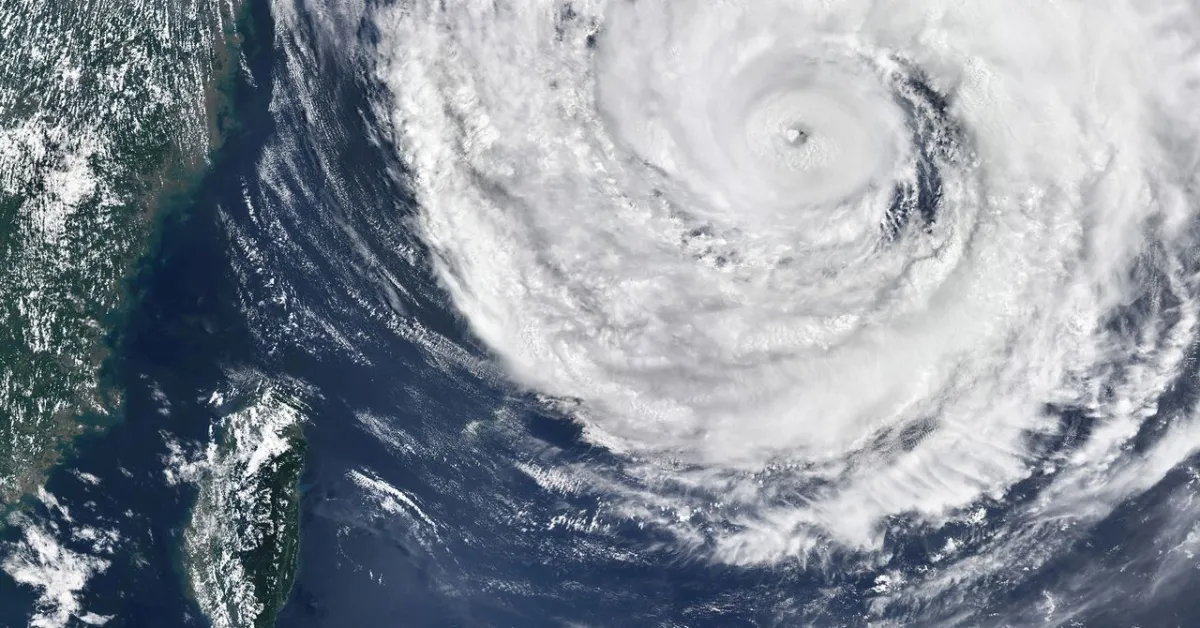
The World Meteorological Organization (WMO) has issued its most confident forecast ever, stating there's a near 100% chance that the current El Niño will persist through February, signaling a "supersized" event with potentially historic impacts.
The United Nations' weather and climate agency described its El Niño/La Niña Update as "unequivocal," highlighting strong consensus across its global network. El Niño, characterized by warmer-than-average ocean temperatures in the eastern tropical Pacific, significantly alters weather patterns worldwide. Scientists have been anticipating a potent El Niño this year, with forecasts now suggesting it could be the strongest on record by a considerable margin.
UN Secretary-General António Guterres emphasized the unprecedented nature of the situation, stating, "The planet is in uncharted waters, and those waters are heating up." He warned that rising sea surface temperatures and climbing global temperatures place the world in a "danger zone of extreme weather."
Beyond regional weather disruptions, El Niño typically boosts global average temperatures by 0.1 to 0.2 degrees Celsius. However, this year's intensified El Niño could contribute even more significantly. Experts predict that 2023 is likely to be the hottest year on record, with even greater warming anticipated for 2027 due to the delayed effects of the heat released into the climate system.
This amplified warming, superimposed on human-caused climate change, is a major concern. A separate UN report suggests the world could breach the 1.5 degrees Celsius warming threshold within the next few years. Climate scientist Daniel Swain noted the immense scale of this El Niño, suggesting its consequences might be beyond current full comprehension, potentially leading to unexpected and extreme weather events.
Even before reaching its peak intensity, the effects are already evident. The US experienced its hottest summer on record, partly attributed to El Niño, while drought conditions have worsened in typically dry regions. Sudan faces an exacerbated hunger crisis due to low Nile water levels, and Puerto Rico has implemented water rationing. Fisheries in the eastern Pacific are also struggling with unusually warm waters.
Guterres urged immediate action, stating, "The race now is between rising risks and our commitment to take climate action and protect people. We must win that race."