A group of Palestinian farmers in Gaza is working to preserve the region's native crops by rebuilding a seed bank and encouraging cultivation on limited available land, following the destruction of their previous facilities during the recent conflict.
The initiative, led by farmer Salama Muhanna, aims to restore Gaza's agricultural heritage, which has been severely impacted by the war. Muhanna's original "Bank of Seeds" in Qarara town, south of the enclave, was reportedly destroyed in early 2024. Before its destruction, the bank held approximately 70 tons of seeds for 42 different crops, including staples like black-eyed peas, watermelon, and sage.
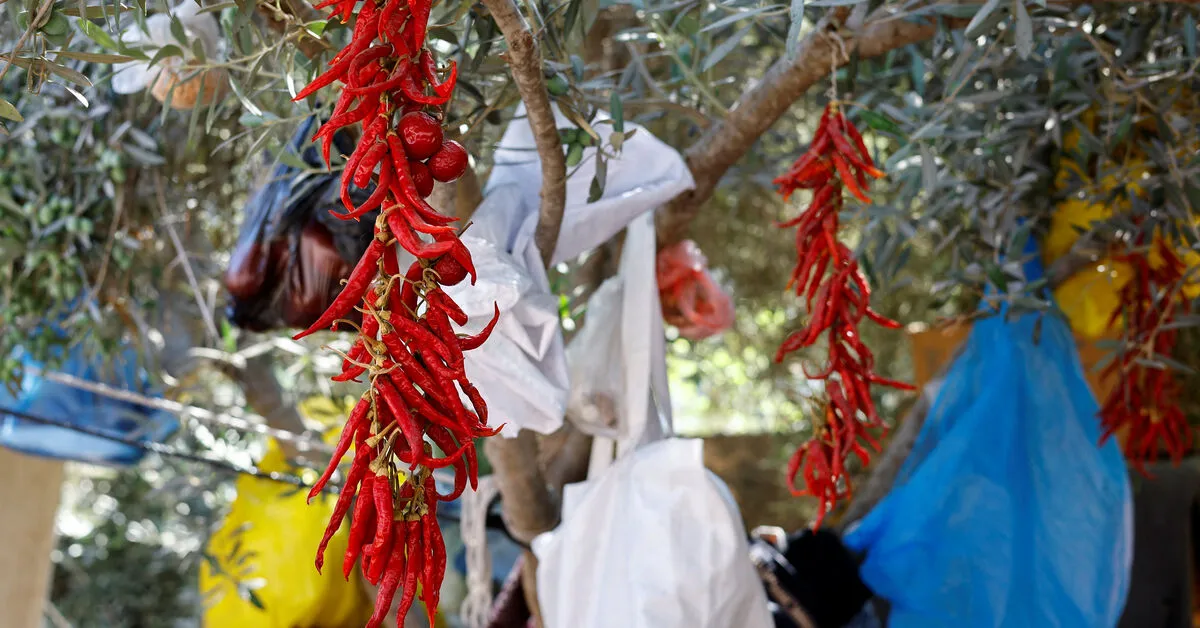
Despite the loss, Muhanna and a team of farmers have managed to re-establish a smaller collection of around 32 local seed varieties in a makeshift tent in Deir Al-Balah, central Gaza. These seeds have been gathered through contributions from farmers who previously collaborated with the bank. The team is also actively cultivating seedlings in fields surrounding their temporary location.
Local heirloom seeds are considered more resilient and sustainable than imported hybrid varieties, as they can be saved and replanted annually. However, farmers and agricultural engineers emphasize that these efforts represent a small fraction of the support needed for Gaza's devastated agricultural sector, which historically was a significant part of the local economy and provided livelihoods for hundreds of thousands of people.
The cultivation of land near the heavily restricted "Yellow Line," an area previously designated for Israeli troop withdrawal, poses significant risks. Farmers working on plots close to this line face potential Israeli gunfire. Despite these dangers, many farmers are determined to continue cultivating their land, asserting their right to farm what remains of their territory within the enclave.